x

Giclée- eller lærredstryk i museumskvalitet med hurtig produktion og fleksible muligheder for finish. ( Køb håndlavet maleri Køb billede)





























Vælg mellem vores forudindstillede størrelser, der matcher kunstværkets originale proportioner.

Du kan indtaste dine egne mål for at passe til en specifik ramme eller et bestemt område. Hvis den valgte størrelse ikke stemmer overens med det originale billedes proportioner, vil vi enten beskære kunstværket eller udvide billedet med en spejlet eller ensfarvet kant. En digital mockup vil blive sendt til din godkendelse, før produktionen påbegyndes.
Bemærk venligst, at forhåndsvisningen på skærmen ikke afspejler den faktiske beskæring eller udvidelse. Kun mockuppen vil nøjagtigt vise den endelige komposition.
Selvom specialmål er tilgængelige, anbefaler vi at vælge et mål fra den foruddefinerede liste for at bevare de originale proportioner.
Verdensomspændende levering () på 2 uger i stedet for de sædvanlige 4/5 uger. (18 august)


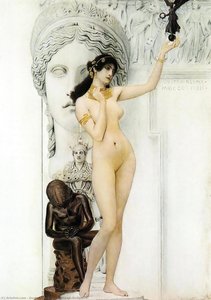
Thalia and Melpomene
Størrelse på reproduktion
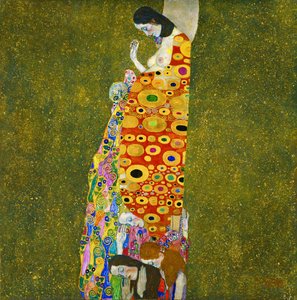
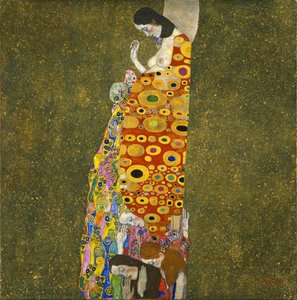
Gustav Klimt’s “Thalia and Melpomene,” painted in 1898, is more than just a depiction of two Greek muses; it's a profound meditation on the very nature of artistic expression itself. This drawing, remarkably preserved and now available as a meticulously hand-painted reproduction, offers a captivating glimpse into Klimt’s evolving style and his fascination with timeless themes. The image presents a trio – Thalia, muse of comedy, Melpomene, muse of tragedy, and an enigmatic observer – arranged within a strikingly formal composition reminiscent of a classical frieze. The drawing's graphite execution reveals the artist’s meticulous attention to detail, particularly in the rendering of the figures’ drapery and the intricate patterns that would later become hallmarks of Klimt’s mature work.
Klimt’s choice of subject matter is deeply rooted in ancient Greek mythology. Thalia and Melpomene were central figures in the world of theatre, representing the two fundamental aspects of dramatic performance: comedy and tragedy. The drawing immediately evokes this duality. Thalia, depicted with a radiant smile and flowing, richly patterned robes, embodies joyous laughter and lightheartedness. Her vibrant colors contrast sharply with Melpomene’s somber expression and the darker hues of her attire, symbolizing sorrow, grief, and the weight of tragic fate. The inclusion of the observer, a shadowy figure positioned between them, suggests the audience – both captivated by the spectacle and profoundly affected by its emotional impact.
“Thalia and Melpomene” represents a pivotal moment in Klimt's artistic development. It showcases his move away from the more overtly academic styles of his early career towards a bolder, more expressive approach. Notice the deliberate use of graphic lines – a technique known as “graphic rain” – that creates a sense of movement and dynamism within the composition. This stylistic choice, influenced by Japanese art which Klimt greatly admired, adds to the drawing’s ethereal quality. The meticulous rendering of textures—the smooth silk of the muses' robes, the rough fabric of the observer’s clothing—demonstrates Klimt’s mastery of technique and his ability to translate visual sensation onto paper. The drawing is a preparatory study for a larger painting, hinting at the scale and grandeur that would characterize his later masterpieces.
Beyond its technical brilliance, “Thalia and Melpomene” possesses a powerful emotional resonance. The figures’ expressions—one joyful, one sorrowful—invite viewers to contemplate the human condition itself. Klimt's ability to capture such profound emotions through simple lines and shapes is a testament to his genius. This drawing serves as a crucial link in understanding Klimt’s artistic trajectory, foreshadowing the opulent gold leaf works that would later cement his place among the most important artists of the late 19th and early 20th centuries. A hand-painted reproduction offers an unparalleled opportunity to experience this iconic work firsthand, bringing its beauty and intellectual depth into your home or studio.

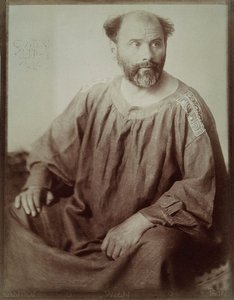
1862 - 1918 , Østrig

Explore the profound impact of the Vienna Secession movement. Discover how visionaries like Gustav Klimt revolutionized modern art through symbolism, gold leaf, and the concept of Gesamtkunstwerk in this expert-led historical guide.


Hold dig opdateret med de seneste kunstnyheder, eksklusive tilbud og indretningsideer.
Fortæl os om dit projekt, og vores kunsteksperter vil give dig 3 personlige kunstforslag.
Vi kuraterer 3 valgmuligheder kun til dig – Gratis!


 Se i fuld skala
 Del
Del Del
Del
 Detaljer

 Download
 Lignende værker
 Røntgenundersøgelse
 Diasshow


 Se mere







 Glasmulighed er kun tilgængelig i størrelser under 110 cm