x

 Olie på lærredVægkunstFauvism
 1905Moderne
 60.0 x 73.0 cm
Giclée- eller lærredstryk i museumskvalitet med hurtig produktion og fleksible muligheder for finish. ( Køb håndlavet maleri Køb billede)





























Vælg mellem vores forudindstillede størrelser, der matcher kunstværkets originale proportioner.

Du kan indtaste dine egne mål for at passe til en specifik ramme eller et bestemt område. Hvis den valgte størrelse ikke stemmer overens med det originale billedes proportioner, vil vi enten beskære kunstværket eller udvide billedet med en spejlet eller ensfarvet kant. En digital mockup vil blive sendt til din godkendelse, før produktionen påbegyndes.
Bemærk venligst, at forhåndsvisningen på skærmen ikke afspejler den faktiske beskæring eller udvidelse. Kun mockuppen vil nøjagtigt vise den endelige komposition.
Selvom specialmål er tilgængelige, anbefaler vi at vælge et mål fra den foruddefinerede liste for at bevare de originale proportioner.
Verdensomspændende levering () på 2 uger i stedet for de sædvanlige 4/5 uger. (20 august)


Collioure Interior
Størrelse på reproduktion
“Collioure Interior” transports viewers to a serene domestic scene in the picturesque town of Collioure, France. The painting depicts a woman seated comfortably on a bench near a window, tenderly holding a baby while gazing out at the vibrant landscape beyond. The room itself is simply furnished with a bed and two chairs, creating an intimate atmosphere. However, it's Matisse’s bold use of color that truly brings the scene to life. The foreground bursts with reds, greens, and yellows, contrasting beautifully with the tranquil backdrop of the Collioure scenery visible through the window.
This artwork is a prime example of Fauvism, an art movement that emerged in France around 1905. "Fauves" translates to “wild beasts,” reflecting the critics’ initial reaction to the movement's unconventional use of color and energetic brushstrokes. Henri Matisse was one of its leading figures. Fauvist artists rejected traditional techniques of realistic representation, instead prioritizing emotional expression through vibrant, non-naturalistic colors. They sought to liberate color from its descriptive function, using it purely for aesthetic impact.
While seemingly a simple domestic scene, "Collioure Interior" carries deeper symbolic weight. The woman's gaze towards the landscape suggests a longing or contemplation, while the presence of the baby evokes themes of motherhood and familial love. The intense colors aren’t meant to accurately depict reality but rather to convey Matisse’s emotional response to the scene. The painting exudes a sense of warmth, tranquility, and joy—a celebration of life's simple pleasures. The bold color choices create an almost dreamlike quality, inviting viewers to immerse themselves in the artist's subjective experience.
Painted during Matisse’s time spent in Collioure, "Collioure Interior" reflects a period of artistic experimentation and innovation. It marks a significant step towards abstraction in Matisse’s work, as he increasingly prioritized color and form over realistic representation. The painting's influence can be seen in subsequent generations of artists who embraced bold colors and expressive brushwork. It remains an iconic example of Fauvism and a testament to Matisse’s enduring legacy as one of the most important figures in modern art.


1869 - 1954 , Frankrig
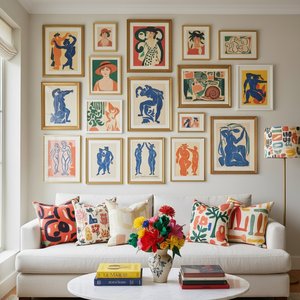
Oplev Henri Matisse' 25 mest ikoniske kunstværker – fra Fauvisme til Paper Cutouts. Lær historien bag farvernes mester og find inspiration til din boligindretning med museumskvalitets reproduktioner på Most-Famous-Paintings.com.

Oplev fauvismens 10 mest ikoniske værker! Dyk ned i Henri Matisse, André Derains og andre kunstneres vilde farver & expressionistiske stil. Find museumskvalitets reproduktioner og inspiration til din indretning på Most-Famous-Paintings.com.
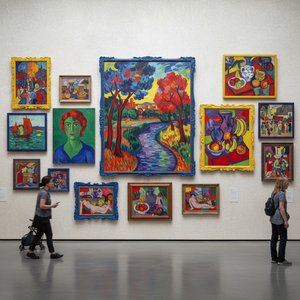
Oplev fauvismens 10 mest ikoniske værker! Dyk ned i Henri Matisse, André Derains og andre fauvisters revolutionerende brug af farver. Find inspiration til din boligindretning & køb museumskvalitets kunsttryk på Most-Famous-Paintings.com.

Explore the revolutionary art of Henri Matisse! Discover his bold use of color, Fauvist origins, and lasting impact on modern painting. A comprehensive guide for art enthusiasts.

Explore the revolutionary Fauvism movement & Henri Matisse's bold use of color! Discover key characteristics, iconic artworks, and its lasting impact on modern art history with Most-Famous-Paintings.


Hold dig opdateret med de seneste kunstnyheder, eksklusive tilbud og indretningsideer.
Fortæl os om dit projekt, og vores kunsteksperter vil give dig 3 personlige kunstforslag.
Vi kuraterer 3 valgmuligheder kun til dig – Gratis!


 Se i fuld skala
 Del
Del Del
Del
 Detaljer

 Download
 Lignende værker
 Røntgenundersøgelse
 Diasshow
 Se mere







 Glasmulighed er kun tilgængelig i størrelser under 110 cm