x

Køb et højopløst, forbedret digitalt billede, der er langt bedre end online-forhåndsvisningen.
Hver fil er omhyggeligt forberedt af vores interne specialister ved hjælp af avancerede værktøjer og ekspertmæssig manuel retuschering. Vi sikrer, at hvert billede har enestående klarhed, præcis farvegengivelse og fine detaljer.
Den endelige fil leveres via e-mail inden for 72 timer og er optimeret til øjeblikkelig brug i professionelle, redaktionelle og trykte miljøer. Det er den samme kvalitet, som førende designstudier, forlag og gallerier har tillid til.
Download en højopløselig fil til personlig fremvisning, print og kreative projekter. ( Køb print Køb håndlavet maleri)
Når du vælger Most-Famous-Paintings.com, får du ikke blot et billede – du modtager et professionelt optimeret digitalt kunstværk, skabt med præcision og sikret med en tilfredshedsgaranti. Her er alt, hvad din ordre automatisk indeholder:

Din højkvalitets digitale billedfil vil blive sendt til din e-mail inden for 72 timer efter bestilling – klar til øjeblikkelig brug.

Dit kunstværk optimeres professionelt ved hjælp af avancerede AI-værktøjer og manuel redigering, hvilket sikrer maksimal detaljegrad, klarhed og farvenøjagtighed.

Har du ved en fejl slettet eller mistet din fil? Ingen bekymring – vi sender den igen til enhver tid, helt gratis.

Nyd dit kunstværk med det samme uden told, afgifter eller leveringsgebyrer – digitale downloads er altid skattefrie.

Vi sikrer, at dit digitale billede gengiver de originale farver så præcist som muligt ved hjælp af professionelle værktøjer og farvestyring.

Hvis du ikke er tilfreds med dit digitale billede, vil vi revidere det eller refundere 100% inden for 60 dage – uden spørgsmål.

Ik tilfreds? Få fuld refusion inden for 60 dage efter modtagelse af din digitale fil – uden spørgsmål.

Køb 3 billeder, spar 10% - Køb 5, spar 15% - Køb 10+, spar 20%. Ideelt til kreative projekter, gallerier og bureauer.
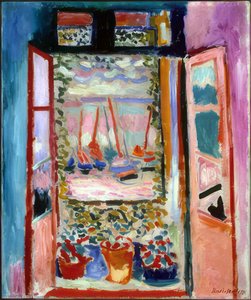
Henri Matisse's "The Studio under the Eaves," painted around 1903, isn’t merely a depiction of an artist’s workspace; it’s a profound meditation on creativity, solitude, and the very essence of artistic struggle. This intimate scene, rendered in the heart of Matisse’s early career, offers a rare and compelling window into the mind of a master grappling with his own artistic identity. The painting immediately draws the viewer inward, enveloped by a carefully orchestrated interplay of light, shadow, and color – elements that speak volumes about Matisse's evolving style and deeply personal experiences.
The composition is deceptively simple yet remarkably effective. A central vertical axis, defined by the window frame and the easel, anchors the eye, leading it towards the warm, inviting glow emanating from within. The room itself feels both familiar and slightly unsettling – a small, almost claustrophobic space dominated by dark tones and the suggestion of hidden depths. The use of angular lines in the window and easel contrasts subtly with the softer, more blended brushstrokes that define the walls and shadows, creating a dynamic tension between structure and atmosphere. Geometric shapes—rectangles for the table and box, triangles for the easel—are employed deliberately, grounding the scene while simultaneously hinting at an underlying order beneath the apparent chaos.
Matisse’s masterful manipulation of color is undoubtedly the painting's most striking feature. The palette is predominantly earthy – ochres, browns, and muted greens—but punctuated by vibrant splashes of orange light spilling from the window. This dramatic contrast isn’t simply decorative; it represents a crucial symbolic element. The light symbolizes inspiration, a connection to the outside world, and perhaps even hope amidst the artist's personal difficulties at the time. The darkness surrounding the light suggests introspection, the challenges inherent in artistic creation, and the isolation that often accompanies it. Notice how Matisse uses impasto – thick application of paint – particularly around the edges of objects and within the shadowed areas, adding a tactile quality to the canvas and intensifying the sense of depth.
The historical context surrounding “The Studio under the Eaves” is deeply intertwined with Matisse's personal life. Painted in 1903, during a period of significant upheaval for the artist – marked by financial struggles and professional setbacks – the painting reflects his emotional state. As documented in numerous sources, including audio recordings from MoMA and scholarly articles, Matisse was experiencing a profound crisis of confidence after returning to his hometown of Bohain-en-Vermandois following a failed attempt at establishing himself in Paris. The bleakness of the studio, the simple furnishings, and the solitary figure (implied by the easel) all speak to this sense of isolation and uncertainty. The letter he wrote to his friend Bussy reveals a deep despair and a questioning of his artistic direction – feelings that are powerfully conveyed through the painting’s somber mood.
“The Studio under the Eaves” is considered a pivotal work in Matisse's development, marking a transition towards Fauvism. While retaining elements of Realism in its depiction of space and form, the painting showcases Matisse’s growing emphasis on color as an expressive element—a characteristic that would define his later work. The bold, non-naturalistic colors, combined with simplified forms and flattened perspective, foreshadowed the radical departure from traditional artistic conventions that would characterize Fauvism. This piece demonstrates how Matisse wasn't simply painting a room; he was exploring the emotional landscape of an artist confronting his own limitations and searching for renewed inspiration.


1869 - 1954 , Frankrig


Hold dig opdateret med de seneste kunstnyheder, eksklusive tilbud og indretningsideer.
Fortæl os om dit projekt, og vores kunsteksperter vil give dig 3 personlige kunstforslag.
Vi kuraterer 3 valgmuligheder kun til dig – Gratis!


 Se i fuld skala
 Del
Del Del
Del
 Detaljer

 Download
 Lignende værker
 Røntgenundersøgelse
 Diasshow

 Se mere