x


 Preview
 Bestil maleri Køb højopløseligt billede
 Del
Del
 Detaljer
 Tilføj til favoritter
 Download
 Lignende værker
 Røntgenundersøgelse
 Diasshow
 Acrylic On CanvasWallArtEarly Netherlandish Painting
 1510
1510 135.0 x 45.0 cm
 Pradomuseet
Giclée- eller lærredstryk i museumskvalitet med hurtig produktion og fleksible muligheder for finish.





























Vælg mellem vores forudindstillede størrelser, der matcher kunstværkets originale proportioner.

Du kan indtaste dine egne mål for at passe til en specifik ramme eller et bestemt område. Hvis den valgte størrelse ikke stemmer overens med det originale billedes proportioner, vil vi enten beskære kunstværket eller udvide billedet med en spejlet eller ensfarvet kant. En digital mockup vil blive sendt til din godkendelse, før produktionen påbegyndes.
Bemærk venligst, at forhåndsvisningen på skærmen ikke afspejler den faktiske beskæring eller udvidelse. Kun mockuppen vil nøjagtigt vise den endelige komposition.
Selvom specialmål er tilgængelige, anbefaler vi at vælge et mål fra den foruddefinerede liste for at bevare de originale proportioner.
Verdensomspændende levering () på 2 uger i stedet for de sædvanlige 4/5 uger. (26 juli)


Paradise and Hell
Størrelse på reproduktion
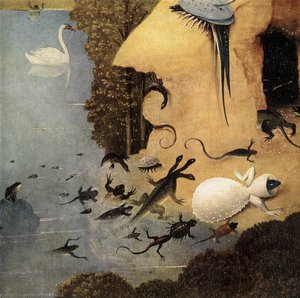
Hieronymus Bosch’s “Paradise and Hell,” completed around 1510, stands as one of the most unsettling and enduring visions of the afterlife produced during the Renaissance. This monumental double-sided altarpiece transcends mere depiction; it plunges viewers into a meticulously crafted psychological landscape brimming with biblical allegory and disturbing imagery—a testament to Bosch’s unparalleled ability to capture both divine grace and demonic torment.
Historical Context & Artistic Innovation Bosch’s work emerged during a period marked by religious anxieties and intellectual ferment—the Reformation was gaining momentum across Europe. He drew heavily upon medieval folklore and Christian symbolism, blending fantastical elements with moral didacticism. Unlike many of his contemporaries who adhered to idealized representations of biblical scenes, Bosch deliberately distorted reality to express profound psychological truths about human nature. His approach foreshadowed the darker currents of Expressionist art centuries later.
Symbolism & Emotional Impact The symbolism embedded within “Paradise and Hell” is extraordinarily complex. Recurring motifs—such as demons, hybrids (creatures combining animal and human features), and grotesque distortions—represent temptations and sins that threaten to corrupt the soul. Bosch’s aim wasn't merely to frighten viewers but to provoke introspection about morality and salvation. The painting’s enduring power lies in its ability to evoke visceral emotions – fear, pity, awe – forcing us to confront our own mortality and grapple with fundamental questions about faith and damnation.
Further Exploration For a deeper understanding of Bosch's artistic legacy, consider visiting Palazzo Ducale di Venezia (Palazzo Ducale) where you can admire masterpieces by Titian and Veronese – artists influenced by Bosch’s visionary style. Alternatively, delve into “Hieronymus Bosch: Decoding the Visions of a Netherlandish Master” (Hieronymus Bosch) for an insightful analysis of his artistic innovations and enduring influence. You can also explore “Mystical Masterpieces: 10 Artworks That Transcends Reality |” (Mystical Masterpieces) to discover similar artistic expressions of spiritual contemplation.

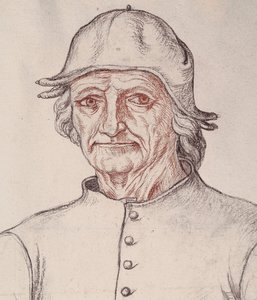
1450 - 1516 , Holland
Oplev Hieronymus Boschs 25 mest ikoniske kunstværker. Fordyb dig i middelalderlig symbolisme, religiøs kunst og fantasifulde landskaber. Køb eksklusive reproduktioner af højeste kvalitet på Most-Famous-Paintings.com – inspiration til din boligindretning.
Oplev renæssancens guldalder! Udforsk top 10 mesterværker fra Leonardo da Vinci, Michelangelo & Botticelli. Lær om kunsthistorie og find museumskvalitets reproduktioner til dit hjem på Most-Famous-Paintings.com. Inspiration & dekoration.

Oplev de 25 mest ikoniske kunstværker fra Metropolitan Museum of Art i New York! Fra Monet til Van Gogh – lær historierne bag mesterværkerne og find inspiration til dit hjem. Køb museumskvalitets reproduktioner på Most-Famous-Paintings.com.
Oplev Staatliche Museens 25 mest ikoniske kunstværker i Berlin! Fra Nefertiti til mesterværker af Schinkel – dyk ned i tysk kunsthistorie, stilarter & farver. Find inspiration og køb museumskvalitets reproduktioner på Most-Famous-Paintings.com.
Oplev top 25 kunstværker fra Museo del Prado i Madrid! Dyk ned i Velázquez, Goya og El Grecos mesterværker. Find inspiration til din indretning & køb museumskvalitets reproduktioner online hos Most-Famous-Paintings.com.


Hold dig opdateret med de seneste kunstnyheder, eksklusive tilbud og indretningsideer.
Fortæl os om dit projekt, og vores kunsteksperter vil give dig 3 personlige kunstforslag.
Vi kuraterer 3 valgmuligheder kun til dig – Gratis!


 Del
Del

 Se mere







 Glasmulighed er kun tilgængelig i størrelser under 110 cm