


x

Giclée- eller lærredstryk i museumskvalitet med hurtig produktion og fleksible muligheder for finish. ( Køb håndlavet maleri Køb billede)





























Vælg mellem vores forudindstillede størrelser, der matcher kunstværkets originale proportioner.

Du kan indtaste dine egne mål for at passe til en specifik ramme eller et bestemt område. Hvis den valgte størrelse ikke stemmer overens med det originale billedes proportioner, vil vi enten beskære kunstværket eller udvide billedet med en spejlet eller ensfarvet kant. En digital mockup vil blive sendt til din godkendelse, før produktionen påbegyndes.
Bemærk venligst, at forhåndsvisningen på skærmen ikke afspejler den faktiske beskæring eller udvidelse. Kun mockuppen vil nøjagtigt vise den endelige komposition.
Selvom specialmål er tilgængelige, anbefaler vi at vælge et mål fra den foruddefinerede liste for at bevare de originale proportioner.
Verdensomspændende levering () på 2 uger i stedet for de sædvanlige 4/5 uger. (18 august)


Alexander and Bucephalus
Størrelse på reproduktion
Edgar Degas’s “Alexander and Bucephalus,” painted in 1861, isn't merely a depiction of a historical event; it’s a vibrant distillation of movement, power, and the complex relationship between man and beast. Born Hilaire-Germain-Edgar De Gas in Paris, Degas was an artist perpetually at odds with categorization – he resisted being labeled an Impressionist, preferring to define himself as a realist, driven by meticulous observation and unflinching honesty. This painting exemplifies that approach, capturing the raw energy of the scene with a remarkable sense of immediacy. The genesis of this work lies in Degas’s early fascination with classical art, honed through countless hours spent studying the masterpieces within the Louvre, yet tempered by his own unique vision and a desire to portray contemporary life with unprecedented dynamism.
The painting emerged during a pivotal period in Degas's career. He had initially pursued history painting, influenced by the rigorous training instilled by Louis Lamothe at the École des Beaux-Arts. However, he soon recognized the limitations of this traditional path and began to explore new subjects – particularly the world of ballet dancers and racehorses – finding within them a more compelling means of expressing his artistic sensibilities. “Alexander and Bucephalus” represents a crucial step in this evolution, showcasing Degas’s growing confidence in capturing fleeting moments and conveying psychological depth through simplified forms and bold brushstrokes.
The composition is immediately arresting – a dynamic tableau set against the backdrop of a dusty road leading towards indistinct buildings. Degas masterfully orchestrates five horses, their musculature rendered with astonishing detail, each conveying a distinct sense of movement. The central figure, Alexander the Great, astride his legendary warhorse Bucephalus, dominates the scene, yet he’s not presented as an idealized hero but rather as a participant in a powerful, almost chaotic exchange. The soldier riding nearby further emphasizes this dynamic interplay, creating a visual rhythm that pulls the viewer into the heart of the action.
Degas's technique is characterized by his innovative use of Impressionistic principles. He employed short, broken brushstrokes to capture the fleeting effects of light and shadow, eschewing traditional blending techniques in favor of a more direct and expressive approach. The colors are vibrant yet muted, reflecting the dusty atmosphere of the scene while simultaneously conveying a sense of urgency and excitement. Notably, Degas’s meticulous attention to detail—particularly in rendering the horses' anatomy—contrasts sharply with the loose brushwork used for the background, creating a compelling visual tension.
Beyond its technical brilliance, “Alexander and Bucephalus” is rich in symbolic meaning. The painting speaks to the enduring relationship between man and animal – a bond forged through mutual respect, trust, and power. Bucephalus, Alexander’s warhorse, was not merely a mount but a partner in battle, a creature of immense strength and intelligence. Their connection represents a microcosm of human ambition and dominance, yet also hints at the vulnerability inherent in such relationships.
Furthermore, the scene evokes themes of leadership, courage, and the challenges of command. Alexander’s posture, his gaze fixed on the horizon, suggests both determination and a certain weariness – the weight of responsibility borne by a young conqueror. The painting's emotional impact is profound, capturing not just a historical event but also the psychological complexities of power and the enduring allure of the wild.
Most-Famous-Paintings offers meticulously crafted oil painting reproductions of “Alexander and Bucephalus,” allowing you to bring this iconic masterpiece into your home or office. Our hand-painted reproductions faithfully capture the original’s vibrant colors, dynamic composition, and nuanced details, ensuring an authentic representation of Degas's artistic vision. Each reproduction is created by skilled artisans using archival-quality materials, guaranteeing its longevity and beauty for generations to come. Explore our collection today and experience the timeless power of this remarkable work of art.

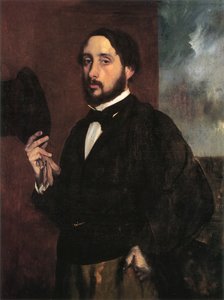
1834 - 1917 , Frankrig

Explore the captivating world of Edgar Degas! Discover his innovative techniques, iconic ballet paintings, and unique portrayal of Parisian life in this insightful art history study.

Oplev impressionismens magi! Dyk ned i top 10 kunstværker af Monet, Renoir & Degas. Lær historierne bag disse ikoniske malerier og find inspiration til din indretning. Museumskvalitet reproduktioner på Most-Famous-Paintings.com – udforsk samlingen online!
Oplev de 10 mest ikoniske impressionistiske mesterværker! Dyk ned i Monet, Renoir og Degas' verden. Lær historierne bag disse berømte malerier & find inspiration til din indretning på . Udforsk samlingen online!

Oplev impressionismens magi! Dyk ned i historierne bag 10 ikoniske malerier fra Monet, Degas og Renoir. Find inspiration til din indretning med smukke kunsttryk af høj kvalitet på Most-Famous-Paintings.com – museumskvalitet direkte til dit hjem. Udforsk samlingen online!

Explore the rich history of horse painting! Discover masterpieces from Stubbs to Munnings & learn about symbolism, techniques & artists. Find museum-quality reproductions at Most-Famous-Paintings.


Hold dig opdateret med de seneste kunstnyheder, eksklusive tilbud og indretningsideer.
Fortæl os om dit projekt, og vores kunsteksperter vil give dig 3 personlige kunstforslag.
Vi kuraterer 3 valgmuligheder kun til dig – Gratis!


 Se i fuld skala
 Del
Del Del
Del
 Detaljer

 Download
 Lignende værker
 Røntgenundersøgelse
 Diasshow

 Se mere







 Glasmulighed er kun tilgængelig i størrelser under 110 cm


