x
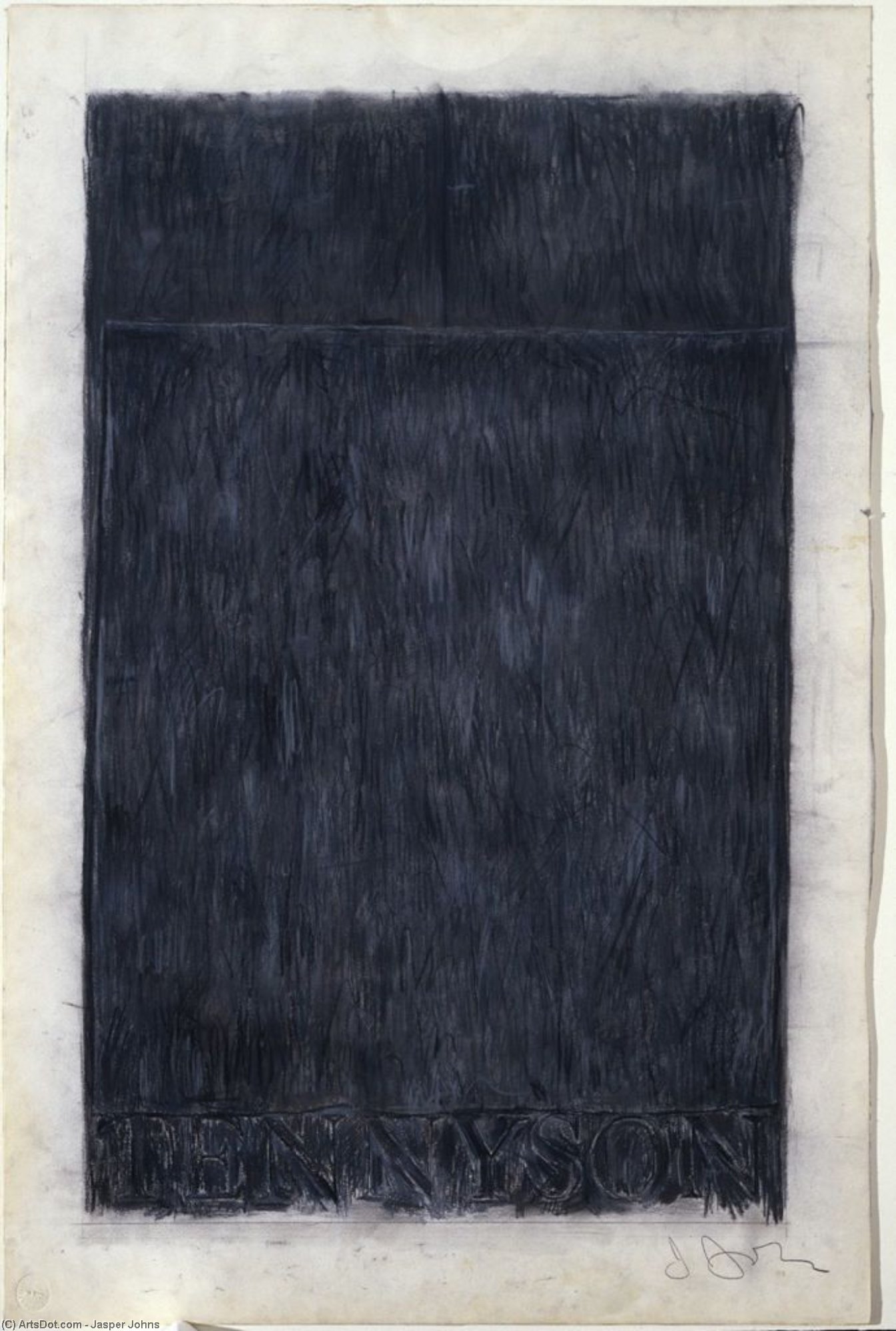
Håndmalet olie på lærred i din valgte størrelse og ramme, udført efter bestilling af vores kunstnere. ( Køb print Køb billede)





























Vælg mellem vores forudindstillede størrelser, der matcher kunstværkets originale proportioner.

Du kan indtaste dine egne mål for at passe til en bestemt ramme eller plads. Hvis den valgte størrelse ikke stemmer overens med det originale billedes proportioner, vil vi enten beskære kunstværket eller udvide maleriet med yderligere håndmalede elementer. En digital skitse sendes til din godkendelse, før produktionen påbegyndes.
Bemærk venligst, at forhåndsvisningen på skærmen ikke afspejler den faktiske beskæring eller udvidelse. Kun skitsen vil nøjagtigt vise den endelige komposition.
Selvom specialmål er mulige, anbefaler vi at vælge en dimension fra den foruddefinerede liste for at bevare de originale proportioner.
Levering i hele verden () på 3/4 uger i stedet for de standard 5 uger. (18 august). Ingen kompromiser med kvaliteten.


Tennyson
Størrelse på reproduktion
Jasper Johns’ “Tennyson,” completed in 1959 during the height of Abstract Expressionism, isn’t merely a painting; it’s an invitation into a realm where recognizable forms dissolve into evocative suggestion. This monumental canvas embodies the spirit of its era—a reaction against the emotionally charged canvases of artists like Pollock and Rothko—yet simultaneously anticipates the stylistic innovations that would characterize Pop Art.
Unlike the sprawling, gestural brushstrokes synonymous with Abstract Expressionism, Johns’ approach to “Tennyson” is characterized by a deliberate restraint. The painting utilizes a predominantly dark background—a deep charcoal gray—creating an atmosphere of profound stillness. However, this apparent simplicity belies a meticulous technique. Johns employs encaustic wax mixed with pigment, layering thin sheets of wax onto the canvas and fusing them together under intense heat. This process lends the artwork a remarkable textural quality – subtle ridges and depressions emerge from the surface, hinting at hidden depths.
“Tennyson” emerged from a period marked by significant upheaval—the Korean War disrupted Johns’ artistic pursuits and instilled in him a heightened awareness of geopolitical realities. Simultaneously, it represented an audacious challenge to the prevailing aesthetic conventions of the time. Artists like Pollock had championed spontaneity and improvisation, prioritizing emotion over intellectual consideration. Johns countered this trend with his unwavering commitment to precision and control, reflecting a broader philosophical shift toward rational inquiry.
The painting's title references Alfred Lord Tennyson’s poem “In Memoriam A Lay of Remembrance,” which explores themes of grief, loss, and the enduring power of memory. Johns deliberately avoids explicit representation—there are no discernible figures or landscapes—instead opting for a visual language that speaks to these poetic concepts. The dark background symbolizes sorrow and obscurity, while the textured surface embodies the fragmented nature of remembrance – impressions linger beneath the surface like echoes of past experiences.
"Tennyson" doesn’t demand immediate gratification; it invites contemplation. Its subdued palette and meticulous technique encourage viewers to slow down, to absorb its atmosphere, and to engage in a dialogue with its underlying symbolism. Ultimately, the painting succeeds in conveying a profound sense of melancholy—a quiet acknowledgement of life's inevitable sorrows—but also hints at an enduring capacity for resilience and beauty. It’s a testament to Johns’ ability to transform abstract concepts into emotionally resonant visual experiences.

1930 - , USA

Explore the profound impact of Minimalism and Geometric Abstraction. From Mondrian to Malevich, discover how stripping art to its essential forms revolutionized modern aesthetics through our expert-led historical guide.
Explore the profound emotional depth of Lyrical Abstraction. Discover how masters like Raymond Parker used color and form to bridge Impressionism and Abstract Expressionism. Learn about this pivotal movement through our expert-led art history guide.


Hold dig opdateret med de seneste kunstnyheder, eksklusive tilbud og indretningsideer.
Fortæl os om dit projekt, og vores kunsteksperter vil give dig 3 personlige kunstforslag.
Vi kuraterer 3 valgmuligheder kun til dig – Gratis!


 Se i fuld skala
 Del
Del Del
Del
 Detaljer

 Download
 Lignende værker
 Røntgenundersøgelse
 Diasshow

 Se mere







 Glasmulighed er kun tilgængelig i størrelser under 110 cm