x

 Olie på lærredVægkunstSurrealism
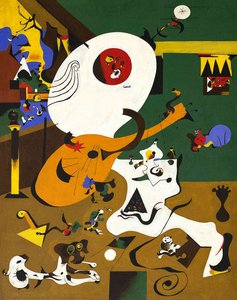
 1927Moderne
 131.0 x 97.0 cm
 Metropolitan Museum of Art
Giclée- eller lærredstryk i museumskvalitet med hurtig produktion og fleksible muligheder for finish. ( Køb håndlavet maleri Køb billede)





























Vælg mellem vores forudindstillede størrelser, der matcher kunstværkets originale proportioner.

Du kan indtaste dine egne mål for at passe til en specifik ramme eller et bestemt område. Hvis den valgte størrelse ikke stemmer overens med det originale billedes proportioner, vil vi enten beskære kunstværket eller udvide billedet med en spejlet eller ensfarvet kant. En digital mockup vil blive sendt til din godkendelse, før produktionen påbegyndes.
Bemærk venligst, at forhåndsvisningen på skærmen ikke afspejler den faktiske beskæring eller udvidelse. Kun mockuppen vil nøjagtigt vise den endelige komposition.
Selvom specialmål er tilgængelige, anbefaler vi at vælge et mål fra den foruddefinerede liste for at bevare de originale proportioner.
Verdensomspændende levering () på 2 uger i stedet for de sædvanlige 4/5 uger. (21 august)


Circus Horse
Størrelse på reproduktion
Joan Miró’s “Circus Horse,” painted in 1927, is a captivating example of his signature dreamlike style, belonging to a suite of approximately seventy works created during that year. This oil painting transports viewers into a whimsical world where familiar forms are abstracted and reimagined, reflecting the influence of both Surrealism and Paul Klee’s narrative geometry. The artwork offers a glimpse into Miró's artistic exploration of the subconscious and his unique approach to composition.
The painting depicts a vibrant circus scene, though far from a realistic portrayal. A bright blue ground serves as the arena, providing a striking backdrop for the central elements. The focal point is a stylized horse, seemingly in motion, rendered with simplified forms and bold colors. Above it, elongated shapes resembling wings or limbs extend upwards, creating a sense of dynamism and flight. A central figure, potentially representing a ringmaster, is suggested by a yellow whip that crisscrosses the canvas in an energetic, meandering line. The composition, while seemingly chaotic at first glance, possesses a remarkable balance, with overlapping elements contributing to a feeling of depth and visual interest. The strong vertical emphasis created by the upward thrust of the wing-like shapes adds to the painting's overall energy.
“Circus Horse” exemplifies Miró’s unique blend of Surrealist aesthetics and Klee-inspired geometric principles. The work is characterized by its abstraction, simplification of forms, and use of symbolic imagery. Miró's technique involves a smooth application of oil paint, likely achieved through brushwork or glazing techniques, resulting in a polished surface. The color palette is dominated by cool tones—deep blues and grays—which contrast with the lighter gray hues of the secondary shapes and the vibrant yellow of the whip. This interplay of colors enhances the painting's visual impact and contributes to its dreamlike quality. As critics noted in 1928, Miró seemed to operate "in the world of magic," a testament to his ability to evoke wonder and imagination through his art.
Painted in 1927, “Circus Horse” emerged during a pivotal period in modern art history. The Surrealist movement was gaining momentum, challenging traditional artistic conventions and exploring the realm of dreams and the subconscious. Miró, deeply influenced by this movement, began to develop his own distinctive style, characterized by playful forms, vibrant colors, and symbolic imagery. His earlier influences included Vincent van Gogh and Paul Cézanne, whose expressive use of color and form resonated with Miró’s artistic sensibilities. The "dream" pictures created in 1927 represent a significant phase in Miró's development, showcasing his ability to create whimsical, dreamlike compositions that captivated audiences.
The symbolism within “Circus Horse” is open to interpretation, inviting viewers to engage with the artwork on a personal level. The horse, often associated with freedom and movement, takes on an abstracted form, suggesting a sense of liberation from conventional constraints. The whip, while potentially representing control, is rendered in a fluid, meandering line, implying a more playful and imaginative interaction. The bright blue background evokes a sense of vastness and possibility, creating a stage for the unfolding dreamlike narrative. Ultimately, “Circus Horse” invites viewers to embark on a journey into the subconscious, where imagination reigns supreme and familiar forms are transformed into something extraordinary.

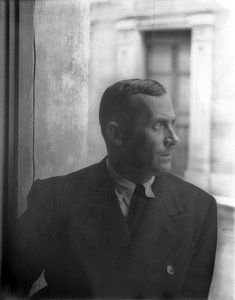
1893 - 1983 , Spanien

Discover the profound emotional depth and investment potential of contemporary abstraction. Our expert guide explores how texture, movement, and form create timeless value for discerning art collectors and sophisticated interiors.


Hold dig opdateret med de seneste kunstnyheder, eksklusive tilbud og indretningsideer.
Fortæl os om dit projekt, og vores kunsteksperter vil give dig 3 personlige kunstforslag.
Vi kuraterer 3 valgmuligheder kun til dig – Gratis!


 Se i fuld skala
 Del
Del Del
Del
 Detaljer

 Download
 Lignende værker
 Røntgenundersøgelse
 Diasshow
 Se mere







 Glasmulighed er kun tilgængelig i størrelser under 110 cm