x


Giclée- eller lærredstryk i museumskvalitet med hurtig produktion og fleksible muligheder for finish. ( Switch to hand made Painting Switch to Image)





























Vælg mellem vores forudindstillede størrelser, der matcher kunstværkets originale proportioner.

Du kan indtaste dine egne mål for at passe til en specifik ramme eller et bestemt område. Hvis den valgte størrelse ikke stemmer overens med det originale billedes proportioner, vil vi enten beskære kunstværket eller udvide billedet med en spejlet eller ensfarvet kant. En digital mockup vil blive sendt til din godkendelse, før produktionen påbegyndes.
Bemærk venligst, at forhåndsvisningen på skærmen ikke afspejler den faktiske beskæring eller udvidelse. Kun mockuppen vil nøjagtigt vise den endelige komposition.
Selvom specialmål er tilgængelige, anbefaler vi at vælge et mål fra den foruddefinerede liste for at bevare de originale proportioner.
Verdensomspændende levering () på 2 uger i stedet for de sædvanlige 4/5 uger. (28 juli)


The Peat Baker
Størrelse på reproduktion
John Singer Sargent's "The Peat Baker," painted in 1885, is not merely a portrait; it’s a carefully constructed tableau of quiet intensity. The painting immediately draws the viewer into a dimly lit room, dominated by a man bent low over his work – a baker meticulously preparing loaves of bread. This seemingly simple scene unfolds within a rich tapestry of observation and subtle symbolism, revealing Sargent's masterful control of light, shadow, and psychological depth. The piece offers a glimpse into the domestic life of the late 19th century, yet it transcends its immediate subject matter to become a meditation on labor, solitude, and the quiet dignity of everyday existence.
Sargent’s technique is immediately apparent in the painting's remarkable use of chiaroscuro – the dramatic contrast between light and dark. The room is plunged into a deep, almost velvety darkness, punctuated by shafts of light that illuminate the baker’s face, hands, and the partially visible loaves on his table. This masterful manipulation of light not only creates a sense of realism but also imbues the scene with an atmosphere of mystery and introspection. Sargent employed loose, expressive brushstrokes, particularly in rendering the textures of the bread and the man's clothing, adding to the painting’s tactile quality. The subtle gradations of tone suggest a deep understanding of how light interacts with surfaces – a skill honed through years of studying the masters of Venetian painting.
Beyond its realistic depiction, “The Peat Baker” is laden with symbolic meaning. The baker himself represents the backbone of society—the essential worker who provides sustenance and comfort. His bowed posture suggests a life of tireless labor, yet his face retains an air of quiet pride. The dark room symbolizes introspection and perhaps even isolation; he’s removed from the bustle of daily life, lost in his craft. The two chairs in the background, one slightly to the right and another closer to the center, could represent companionship or simply the remnants of a past conversation, hinting at a solitary existence. Even the “peat” in the title – referring to fuel used for baking – subtly connects the scene to the harsh realities of rural life.
Painted during a period of rapid social change in Europe, "The Peat Baker" reflects Sargent's growing interest in capturing the nuances of everyday life. He had spent considerable time in Brittany, France, immersing himself in the lives of rural communities. This experience profoundly influenced his artistic vision, moving him away from the grand salon portraits that initially defined his career and towards a more intimate and psychologically complex style. Sargent’s shift can be seen as a response to the burgeoning realist movement, while simultaneously retaining his own distinctive flair for elegance and composition. The painting stands as a pivotal work in Sargent's development, demonstrating his ability to infuse social commentary into seemingly simple scenes.
“The Peat Baker” is not a cheerful or overtly celebratory image; rather, it evokes a profound sense of quiet contemplation. The painting’s subdued palette, coupled with the man's solitary posture, creates an atmosphere of melancholy and introspection. Yet, there’s also a subtle dignity in his work—a testament to the value of honest labor. It is this carefully balanced combination of emotion and observation that makes “The Peat Baker” such a compelling and enduring masterpiece, inviting viewers to consider the quiet beauty and hidden depths within the ordinary moments of life.


1856 - 1925 , Italien

Oplev John Singer Sargents 25 mest ikoniske malerier – fra elegante portrætter til impressionistiske mesterværker. Lær historierne bag kunsten & find inspiration til din indretning med Most-Famous-Paintings.com. Udforsk samlingen online!
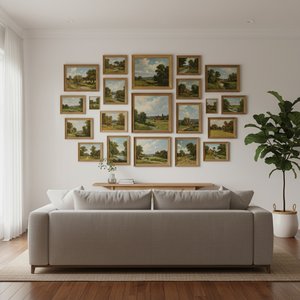
Oplev John Constables 25 mest ikoniske værker! Fordyb dig i engelsk romantik, betagende landskaber og tidløs skønhed. Køb museumskvalitets reproduktioner af 'The Hay Wain' & mere på Most-Famous-Paintings.com – inspiration til dit hjem.
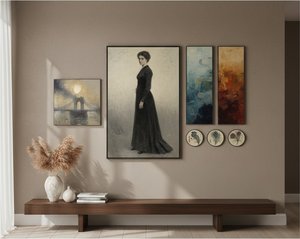
Oplev James Abbott McNeill Whistlers 25 mest ikoniske kunstværker. Fordyb dig i æstetismens verden, tonale malerier & harmoniske kompositioner. Find reproduktioner af højeste kvalitet og inspiration til din indretning på Most-Famous-Paintings.com.

Oplev de 25 mest ikoniske kunstværker fra Metropolitan Museum of Art i New York! Fra Monet til Van Gogh – lær historierne bag mesterværkerne og find inspiration til dit hjem. Køb museumskvalitets reproduktioner på Most-Famous-Paintings.com.

Oplev MFA Bostons 25 mest ikoniske kunstværker! Dyk ned i historierne bag berømte malerier, impressionisme, amerikansk kunst og mere. Find inspiration til din indretning & køb museumskvalitets reproduktioner på Most-Famous-Paintings.com.


Hold dig opdateret med de seneste kunstnyheder, eksklusive tilbud og indretningsideer.
Fortæl os om dit projekt, og vores kunsteksperter vil give dig 3 personlige kunstforslag.
Vi kuraterer 3 valgmuligheder kun til dig – Gratis!


 Preview
 Del
Del Del
Del
 Detaljer

 Download
 Lignende værker
 Røntgenundersøgelse
 Diasshow


 Se mere







 Glasmulighed er kun tilgængelig i størrelser under 110 cm