


x


 Oil On CanvasWallArtBaroque Painting
 1630
1630 123.0 x 95.0 cm
 Szépművészeti Múzeum
Håndmalet olie på lærred i din valgte størrelse og ramme, udført efter bestilling af vores kunstnere. ( Skift til print Skift til billede)





























Vælg mellem vores forudindstillede størrelser, der matcher kunstværkets originale proportioner.

Du kan indtaste dine egne mål for at passe til en bestemt ramme eller plads. Hvis den valgte størrelse ikke stemmer overens med det originale billedes proportioner, vil vi enten beskære kunstværket eller udvide maleriet med yderligere håndmalede elementer. En digital skitse sendes til din godkendelse, før produktionen påbegyndes.
Bemærk venligst, at forhåndsvisningen på skærmen ikke afspejler den faktiske beskæring eller udvidelse. Kun skitsen vil nøjagtigt vise den endelige komposition.
Selvom specialmål er mulige, anbefaler vi at vælge en dimension fra den foruddefinerede liste for at bevare de originale proportioner.
Levering i hele verden () på 3/4 uger i stedet for de standard 5 uger. (3 august). Ingen kompromiser med kvaliteten.


Saint Jerome
Størrelse på reproduktion
Jusepe de Ribera's "Saint Jerome," painted circa 1638-40, isn’t merely a portrait; it’s an immersion into the soul of a man wrestling with divine purpose and earthly suffering. This monumental work, currently residing in the Cleveland Museum of Art, exemplifies Ribera’s signature style – a dramatic blend of tenebrism, raw realism, and profound spiritual intensity that secured his place as one of the most significant artists of the Spanish Baroque era. More than just depicting a biblical figure, Ribera captures a universal struggle with faith, repentance, and the burden of divine responsibility.
The painting immediately commands attention through its masterful use of light and shadow. Ribera employs a technique known as chiaroscuro – a stark contrast between intensely illuminated areas and deep, enveloping darkness – to sculpt the figure of Saint Jerome from the gloom. The saint’s face, partially obscured by shadow, is rendered with an almost photographic realism, capturing every wrinkle, furrow, and the haunted expression etched upon his brow. This deliberate obscurity draws the viewer in, forcing a contemplative engagement with the subject's inner turmoil.
Saint Jerome, traditionally depicted as the hermit who translated the Bible into Latin, is presented here not as a serene scholar but as a man consumed by his task. He’s shown in a desolate landscape – a barren desert, rendered with muted browns and ochres – beating his breast with a stone, an act of self-flagellation symbolizing repentance and devotion. The inclusion of a skull beneath his hand is a potent reminder of mortality and the vanity of earthly pursuits, urging viewers to contemplate their own spiritual journeys.
The composition itself is carefully constructed to amplify this sense of drama. Ribera utilizes a pyramidal structure, with Jerome’s figure forming the apex, drawing the eye upwards and emphasizing his importance within the scene. The outstretched hand holding a scroll – bearing the words of the Vulgate Bible – represents not just the accomplishment of translating scripture but also the weight of that responsibility. It's a visual declaration of faith undertaken with profound humility.
Ribera’s style is deeply rooted in the artistic innovations of Michelangelo Merisi da Caravaggio, whom he encountered and profoundly admired during his time in Rome. Like Caravaggio, Ribera favored dramatic lighting, intense realism, and a focus on human emotion. However, Ribera infused this Italian influence with distinctly Spanish sensibilities – a heightened sense of drama, a darker palette, and an unflinching portrayal of the human condition. The painting’s somber mood reflects the prevailing religious fervor and social anxieties of 17th-century Spain.
Born in Xativa, Valencia, in 1591, Ribera's life was marked by hardship and exile. He spent much of his career in Naples, where he established a prolific workshop and cultivated a devoted following. His paintings often depict scenes of martyrdom, poverty, and religious ecstasy – subjects that resonated deeply with the social realities of the time. “Saint Jerome” is a testament to Ribera’s ability to transform historical narratives into emotionally resonant works of art.
“Saint Jerome” transcends its biblical subject matter, offering a timeless meditation on faith, repentance, and the human struggle for spiritual understanding. The painting's power lies not just in its technical brilliance but also in its ability to evoke a profound sense of empathy and contemplation. It’s a work that invites viewers to consider their own relationship with faith, mortality, and the enduring weight of responsibility – a truly remarkable achievement of the Spanish Baroque.


1591 - 1652 , Spanien

Oplev Claude Monets 25 mest ikoniske malerier! Fordyb dig i impressionismens verden, fra vandliljer til solnedgange. Find inspiration og køb museumskvalitets kunsttryk på Most-Famous-Paintings.com – perfekt til dit hjem. Udforsk samlingen online!
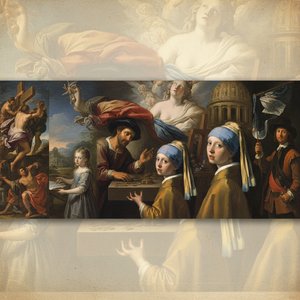
Oplev barokkens storhed! Dyk ned i 10 ikoniske kunstværker af Caravaggio, Rembrandt & Vermeer. Lær historierne bag mesterværkerne og find inspiration til din indretning med museumskvalitets reproduktioner på Most-Famous-Paintings.com
Oplev Alte Pinakotekets 25 mest ikoniske kunstværker! Fordyb dig i renæssancens og barokkens mesterværker af Leonardo da Vinci, Rembrandt & Vermeer. Find inspiration til din indretning og køb museumskvalitets reproduktioner på Most-Famous-Paintings.com.

Oplev barokkens storhed! Udforsk 10 ikoniske malerier af Caravaggio, Rembrandt & Vermeer. Lær historierne bag mesterværkerne og find inspiration til din indretning med Most-Famous-Paintings.dk – museumskvalitet reproduktioner online.

Explore the captivating world of chiaroscuro & tenebrism! Discover Caravaggio's influence, Baroque masters, and the enduring power of dramatic lighting in art history. Learn about these techniques with Most-Famous-Paintings.


Hold dig opdateret med de seneste kunstnyheder, eksklusive tilbud og indretningsideer.
Fortæl os om dit projekt, og vores kunsteksperter vil give dig 3 personlige kunstforslag.
Vi kuraterer 3 valgmuligheder kun til dig – Gratis!


 Se i fuld skala
 Del
Del Del
Del
 Detaljer

 Download
 Lignende værker
 Røntgenundersøgelse
 Diasshow
 Se mere







 Glasmulighed er kun tilgængelig i størrelser under 110 cm


