


x
 801
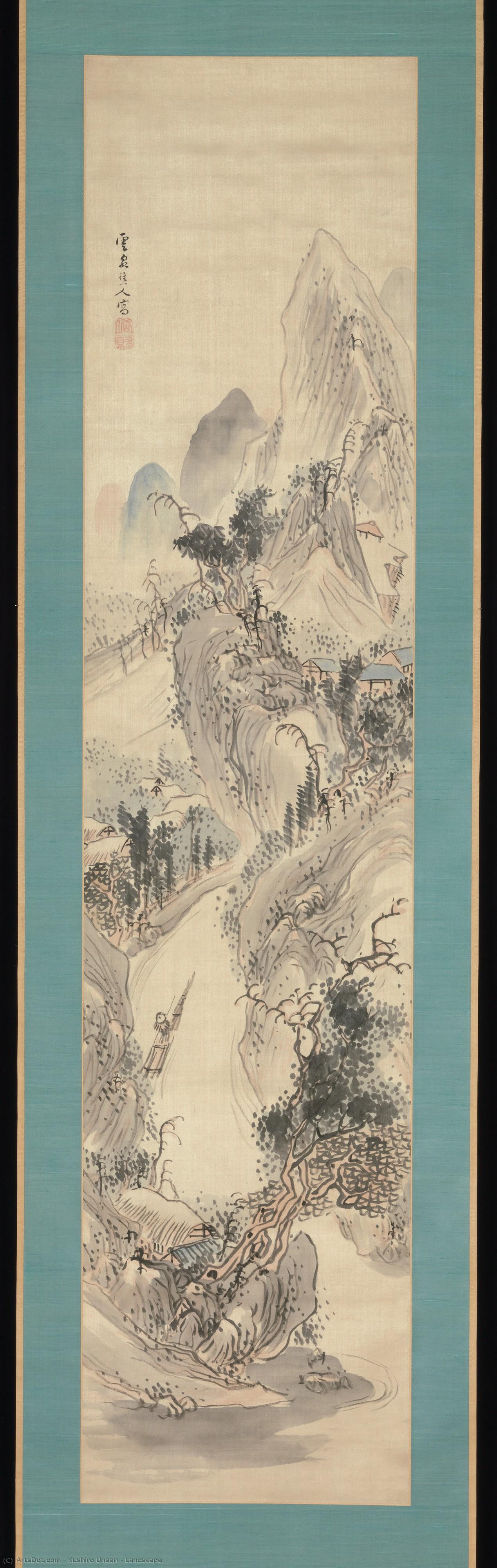
801 148.0cm x 34.0cm
Køb et højopløst, forbedret digitalt billede, der er langt bedre end online-forhåndsvisningen.
Hver fil er omhyggeligt forberedt af vores interne specialister ved hjælp af avancerede værktøjer og ekspertmæssig manuel retuschering. Vi sikrer, at hvert billede har enestående klarhed, præcis farvegengivelse og fine detaljer.
Den endelige fil leveres via e-mail inden for 72 timer og er optimeret til øjeblikkelig brug i professionelle, redaktionelle og trykte miljøer. Det er den samme kvalitet, som førende designstudier, forlag og gallerier har tillid til.
Download en højopløselig fil til personlig fremvisning, print og kreative projekter. ( Køb print Køb håndlavet maleri)
Når du vælger Most-Famous-Paintings.com, får du ikke blot et billede – du modtager et professionelt optimeret digitalt kunstværk, skabt med præcision og sikret med en tilfredshedsgaranti. Her er alt, hvad din ordre automatisk indeholder:

Din højkvalitets digitale billedfil vil blive sendt til din e-mail inden for 72 timer efter bestilling – klar til øjeblikkelig brug.

Dit kunstværk optimeres professionelt ved hjælp af avancerede AI-værktøjer og manuel redigering, hvilket sikrer maksimal detaljegrad, klarhed og farvenøjagtighed.

Har du ved en fejl slettet eller mistet din fil? Ingen bekymring – vi sender den igen til enhver tid, helt gratis.

Nyd dit kunstværk med det samme uden told, afgifter eller leveringsgebyrer – digitale downloads er altid skattefrie.

Vi sikrer, at dit digitale billede gengiver de originale farver så præcist som muligt ved hjælp af professionelle værktøjer og farvestyring.

Hvis du ikke er tilfreds med dit digitale billede, vil vi revidere det eller refundere 100% inden for 60 dage – uden spørgsmål.

Ik tilfreds? Få fuld refusion inden for 60 dage efter modtagelse af din digitale fil – uden spørgsmål.

Køb 3 billeder, spar 10% - Køb 5, spar 15% - Køb 10+, spar 20%. Ideelt til kreative projekter, gallerier og bureauer.
Kushiro Unsen (釧雲泉, 1759 – 1811) stands as a singular figure in Japanese landscape painting, embodying the aesthetic ideals of Edo-period Japan—a period marked by social stratification, political intrigue, and burgeoning commercial activity. Unlike many artists of his era who sought patronage from powerful clans or focused on grand historical narratives, Unsen cultivated a deeply personal style rooted in Zen Buddhism and characterized by an unparalleled sensitivity to atmospheric conditions. Born in the vibrant port city of Nagasaki, Unsen’s early life was shaped by the unique atmosphere of Japan’s gateway to the world. Here, amidst the influx of foreign goods and ideas, he studied painting and Chinese alongside merchants visiting from the mainland, absorbing techniques that emphasized subtle tonal gradations and meticulous brushwork—a hallmark of Ming Dynasty landscape art.
Unsen’s artistic philosophy was profoundly anchored in his devotion to Zen Buddhism. He believed that true beauty resided in capturing the essence of nature—its impermanence and interconnectedness—rather than merely reproducing its outward appearance. This conviction fueled his relentless pursuit of achieving wu wei, or effortless action, mirroring the Buddhist ideal of aligning oneself with the natural flow of existence. His work often serves as a symbolic escape from the complexities of urban life, offering a window into a world of untouched grandeur and spiritual solitude. Through his eyes, a mountain was not just stone and earth, but a vessel for contemplation, and a waterfall was a rhythmic pulse of the universe itself.
The distinctive style of Kushiro Unsen is instantly recognizable by its masterful use of atmospheric perspective. He possessed a rare ability to manipulate mist and haze to create an incredible sense of depth and luminosity within his compositions. His technique often involved a delicate layering process, where thin, ethereal washes of gray and pale earth tones were contrasted against sharp, angular strokes that defined rugged rock formations or ancient pine trees. This interplay between the soft and the structured allowed him to evoke a sense of space that felt both vast and intimately connected to the viewer.
In his most celebrated works, such as Viewing a Waterfall, Unsen utilizes a rapid, repetitive, and sometimes eccentric brushwork that draws inspiration from the Yuan-dynasty literati painters. This expressive approach allows the landscape to feel alive, as if the very air is moving across the paper. His ability to capture specific seasonal moods—such as the coolness of summer vines or the crispness of autumn air—demonstrates a technical precision that transcends mere imitation. By integrating original Chinese verse into his compositions, he further bridged the gap between visual art and literary expression, creating a multi-sensified experience for the scholar-observer.
As a late Edo period literati artist, Unsen’s significance lies in his ability to synthesize diverse influences into a cohesive, uniquely Japanese voice. While his foundations were built upon Chinese landscape traditions, his execution was deeply colored by the specific cultural nuances of his time and place. His travels throughout Japan allowed him to establish friendships with many famous intellectuals, further embedding his work within the scholarly circles of the era. His paintings, such as Lone Angler in Autumn, continue to resonate because they touch upon universal themes of solitude, nature, and the human spirit.
Today, the works of Kushiro Unsen are preserved in prestigious institutions like the Tokyo National Museum and The Metropolitan Museum of Art, serving as vital links to the artistic soul of the 18th and 19th centuries. His legacy is defined by:

1759 - 1811 , Japan


Hold dig opdateret med de seneste kunstnyheder, eksklusive tilbud og indretningsideer.
Fortæl os om dit projekt, og vores kunsteksperter vil give dig 3 personlige kunstforslag.
Vi kuraterer 3 valgmuligheder kun til dig – Gratis!


 Se i fuld skala
 Del
Del Del
Del
 Detaljer

 Download
 Lignende værker
 Røntgenundersøgelse
 Diasshow
 Se mere