x

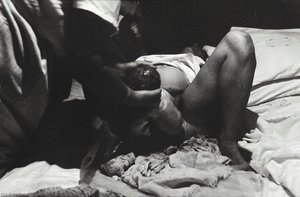
 1971
1971 28.0 x 36.0 cm
Håndmalet olie på lærred i din valgte størrelse og ramme, udført efter bestilling af vores kunstnere. ( Køb print Køb billede)
Vælg mellem vores forudindstillede størrelser, der matcher kunstværkets originale proportioner.

Du kan indtaste dine egne mål for at passe til en bestemt ramme eller plads. Hvis den valgte størrelse ikke stemmer overens med det originale billedes proportioner, vil vi enten beskære kunstværket eller udvide maleriet med yderligere håndmalede elementer. En digital skitse sendes til din godkendelse, før produktionen påbegyndes.
Bemærk venligst, at forhåndsvisningen på skærmen ikke afspejler den faktiske beskæring eller udvidelse. Kun skitsen vil nøjagtigt vise den endelige komposition.
Selvom specialmål er mulige, anbefaler vi at vælge en dimension fra den foruddefinerede liste for at bevare de originale proportioner.
Levering i hele verden () på 3/4 uger i stedet for de standard 5 uger. (20 august). Ingen kompromiser med kvaliteten.


Tulsa 40
Størrelse på reproduktion

To look through the lens of Larry Clark is to confront the unvarnished, often uncomfortable truths of American adolescence. Born in Tulsa, Oklahoma, in 1943, Clark’s artistic journey began not in a formal studio, but within the intimate, gritty confines of his own upbringing. As the son of an itinerant baby photographer, he was immersed in the mechanics of the camera from a young age, yet his true subject matter would eventually drift far from the sanitized innocence of portraiture. Instead, Clark turned his gaze toward the fringes of suburban life, capturing the turbulent, often shadowed existence of youth culture during the late 1960s and early 1970s. His work serves as a visceral bridge between the quiet desperation of the American heartland and the explosive, rebellious energy of the counterculture movement.
The foundation of Clark’s legendary status was laid in his seminal photographic series, Tulsa. Published in 1971, this collection of black-and-white imagery acted as a profound sociological document, stripping away the myth of suburban perfection to reveal a landscape of drug use, sexual exploration, and profound alienation. Through these photographs, Clark did not merely observe; he participated, documenting the lives of his own circle of friends with a level of intimacy that felt both voyeuristic and deeply empathetic. His technique relied on a stark realism, utilizing dramatic lighting and candid, unposed compositions to evoke a sense of palpable melancholy and raw vulnerability. By focusing on the textures of skin, the shadows of back alleys, and the fleeting expressions of disillusionment, he transformed documentary photography into a psychological exploration of the human condition.
As his career evolved, Clark transitioned from the still image to the moving picture, bringing his unflinching aesthetic to the realm of film. His directorial debut, the 1995 film Kids, became a cultural lightning rod, sparking intense national debate regarding artistic freedom and the depiction of societal decay. Much like his photography, the film utilized an uncompromisingly honest approach to tackle themes of drug addiction, sexuality, and the loss of innocence among teenagers. This ability to navigate the boundaries of controversy allowed Clark to cement his role as a provocateur, a storyteller who refused to look away from the darker impulses of the youth subcultures he inhabited—from the gritty streets of New York to the sun-drenched, yet equally rebellious, worlds of surfing and skateboarding.
The historical significance of Larry Clark’s body of work lies in its ability to shatter long-held American myths. He challenged the notion that violence and drug use were exclusively urban phenomena, instead presenting them as pervasive elements of the suburban experience. His later works, such as Teenage Lust, continued this trajectory, weaving together personal history and collective memory through a tapestry of graphic and emotive imagery. Through his multifaceted career as a photographer, director, and writer, Clark has left an indelible mark on contemporary art, reminding us that true beauty often resides in the most unsettling moments of our shared reality. His legacy remains a powerful testament to the importance of the witness, capturing the fleeting, often painful transition from childhood to the complexities of adulthood.

1943 -


Hold dig opdateret med de seneste kunstnyheder, eksklusive tilbud og indretningsideer.
Fortæl os om dit projekt, og vores kunsteksperter vil give dig 3 personlige kunstforslag.
Vi kuraterer 3 valgmuligheder kun til dig – Gratis!


 Se i fuld skala
 Del
Del Del
Del
 Detaljer

 Download
 Lignende værker
 Røntgenundersøgelse
 Diasshow
 Se mere




































 Glasmulighed er kun tilgængelig i størrelser under 110 cm