


x

Giclée- eller lærredstryk i museumskvalitet med hurtig produktion og fleksible muligheder for finish. ( Køb håndlavet maleri Køb billede)
Vælg mellem vores forudindstillede størrelser, der matcher kunstværkets originale proportioner.

Du kan indtaste dine egne mål for at passe til en specifik ramme eller et bestemt område. Hvis den valgte størrelse ikke stemmer overens med det originale billedes proportioner, vil vi enten beskære kunstværket eller udvide billedet med en spejlet eller ensfarvet kant. En digital mockup vil blive sendt til din godkendelse, før produktionen påbegyndes.
Bemærk venligst, at forhåndsvisningen på skærmen ikke afspejler den faktiske beskæring eller udvidelse. Kun mockuppen vil nøjagtigt vise den endelige komposition.
Selvom specialmål er tilgængelige, anbefaler vi at vælge et mål fra den foruddefinerede liste for at bevare de originale proportioner.
Verdensomspændende levering () på 2 uger i stedet for de sædvanlige 4/5 uger. (15 august)


Evening dress,
Størrelse på reproduktion
Lee Alexander McQueen’s “Evening Dress,” a black-and-white photograph captured in 2007, isn't merely a documentation of fashion; it’s a meticulously crafted exploration of form, texture, and the inherent drama within restraint. The image, strikingly devoid of color, immediately establishes an atmosphere of sophisticated melancholy – a deliberate choice that elevates the garment beyond its purely decorative function and invites contemplation on themes of timelessness and the fleeting nature of beauty. McQueen, a designer renowned for his provocative yet deeply considered work, masterfully utilizes photographic realism to achieve this effect, employing controlled lighting and a shallow depth of field to draw the viewer’s eye directly to the mannequin and the exquisite details of the dress itself.
The composition is deceptively simple. Centered precisely within the frame, the mannequin becomes an island of focus against a deliberately blurred background – a strategic move that amplifies the dress's presence and emphasizes its verticality. The photograph’s perspective, subtly low-angled, lends a sense of grandeur to the garment, suggesting both elegance and a hint of imposing formality. The deliberate lack of extraneous detail forces the viewer to engage with the textures and lines of the fabric itself: the subtle sheen, the carefully draped folds, and the precise construction that speaks volumes about the skill of its creation. The matte surface of the mannequin’s material provides a grounding contrast to the luxuriousness of the dress, highlighting its intricate details.
McQueen's choice of black-and-white photography is crucial to understanding the photograph’s intent. It strips away superficial distractions, forcing us to appreciate the fundamental elements of design – line, shape, texture, and volume. The studio lighting, soft and diffused, avoids harsh contrasts, instead creating a delicate interplay of light and shadow that reveals the fabric's complex surface. This technique is reminiscent of classical portraiture, lending an air of timelessness to the image. The shallow depth of field – a hallmark of photographic realism – ensures that the dress remains sharply in focus while the background melts into a soft, indistinct blur, effectively isolating the subject and directing our attention entirely to its form.
Beyond the technical aspects, the photograph’s execution reveals McQueen's deep understanding of tailoring. The meticulous rendering of the fabric’s folds and draping suggests an intimate knowledge of how materials behave and respond to movement. The photograph isn’t simply a representation; it’s a study in construction – a testament to the designer’s commitment to precision and his ability to transform simple materials into objects of extraordinary beauty and drama. The image feels like a carefully considered blueprint, revealing the underlying structure that supports its captivating aesthetic.
McQueen's work was deeply rooted in historical references, often drawing inspiration from Victorian mourning rituals, gothic literature, and the macabre. This photograph subtly echoes those influences through its starkness and the sense of contained drama. The monochromatic palette evokes a feeling of timelessness, suggesting that the dress transcends fleeting trends and speaks to enduring ideals of beauty and sophistication. The absence of color can also be interpreted as a deliberate rejection of superficiality, focusing instead on the intrinsic qualities of form and texture.
Furthermore, the image’s composition subtly references classical sculpture – the mannequin's pose mirroring the stance of a figure in profile, creating a sense of formality and monumentality. The dress itself, with its flowing lines and elegant silhouette, embodies the ideals of romanticism and beauty, while simultaneously hinting at an underlying melancholy—a characteristic often associated with McQueen’s work. The photograph invites us to consider not just what we see, but also what it represents: a celebration of craftsmanship, a meditation on beauty, and a subtle commentary on the passage of time.
“Evening Dress” is more than just a fashion photograph; it’s a miniature masterpiece that encapsulates McQueen's unique vision. It stands as a testament to his mastery of form, texture, and composition, demonstrating his ability to elevate the mundane into the extraordinary. Reproductions of this image offer an opportunity to appreciate the subtle nuances of McQueen’s artistry – a chance to bring a touch of timeless elegance and understated drama into any space. The photograph's enduring appeal lies in its ability to evoke emotion through restraint, reminding us that true beauty often resides not in vibrant color but in the quiet power of form and shadow.

1969 - 2010 , Storbritannien
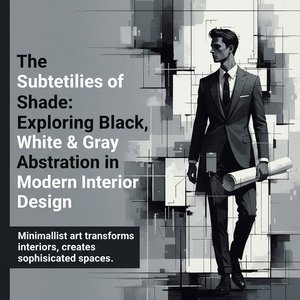
Skab et elegant og harmonisk rum med sort, hvid og grå. Ekspertvejledning til abstrakt kunst, lysdesign & minimalistisk indretning. Inspiration & tips fra professionelle.

Explore the fascinating history of fashion as a symbol of power & status in art! Discover masterpieces from Gainsborough to Tissot and learn how clothing shaped societal narratives. Find museum-quality reproductions at Most-Famous-Paintings.
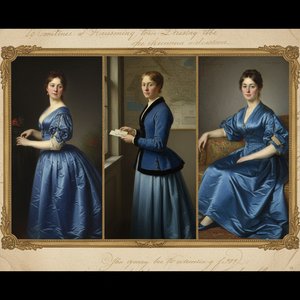
Explore the rich history of the blue dress in Western art! Discover its symbolism, from Renaissance masterpieces to modern interpretations by artists like Martin & Schiele. Uncover cultural meanings and artistic techniques.

Explore the rich symbolism of the red dress in art history! From ancient power displays to iconic portraits like Cézanne’s 'Madame Cezanne', discover the cultural and artistic significance behind this captivating color. Expert analysis & insights.

Explore the powerful history of documentary photography – from its origins to contemporary masters like Gordon Parks & W. Eugene Smith. Discover how this art form shapes our understanding of society and witness pivotal moments in time.


Hold dig opdateret med de seneste kunstnyheder, eksklusive tilbud og indretningsideer.
Fortæl os om dit projekt, og vores kunsteksperter vil give dig 3 personlige kunstforslag.
Vi kuraterer 3 valgmuligheder kun til dig – Gratis!


 Del
Del Del
Del
 Detaljer

 Download
 Lignende værker
 Diasshow


 Se mere




































 Glasmulighed er kun tilgængelig i størrelser under 110 cm


