x


 Olie på lærredVægkunstExpressionism
 1932Moderne
 73.0 x 92.0 cm
 Tel Aviv Museum of Art
Køb et højopløst, forbedret digitalt billede, der er langt bedre end online-forhåndsvisningen.
Hver fil er omhyggeligt forberedt af vores interne specialister ved hjælp af avancerede værktøjer og ekspertmæssig manuel retuschering. Vi sikrer, at hvert billede har enestående klarhed, præcis farvegengivelse og fine detaljer.
Den endelige fil leveres via e-mail inden for 72 timer og er optimeret til øjeblikkelig brug i professionelle, redaktionelle og trykte miljøer. Det er den samme kvalitet, som førende designstudier, forlag og gallerier har tillid til.
Download en højopløselig fil til personlig fremvisning, print og kreative projekter. ( Switch to Print Switch to hand made Painting)
Når du vælger Most-Famous-Paintings.com, får du ikke blot et billede – du modtager et professionelt optimeret digitalt kunstværk, skabt med præcision og sikret med en tilfredshedsgaranti. Her er alt, hvad din ordre automatisk indeholder:

Din højkvalitets digitale billedfil vil blive sendt til din e-mail inden for 72 timer efter bestilling – klar til øjeblikkelig brug.

Dit kunstværk optimeres professionelt ved hjælp af avancerede AI-værktøjer og manuel redigering, hvilket sikrer maksimal detaljegrad, klarhed og farvenøjagtighed.

Har du ved en fejl slettet eller mistet din fil? Ingen bekymring – vi sender den igen til enhver tid, helt gratis.

Nyd dit kunstværk med det samme uden told, afgifter eller leveringsgebyrer – digitale downloads er altid skattefrie.

Vi sikrer, at dit digitale billede gengiver de originale farver så præcist som muligt ved hjælp af professionelle værktøjer og farvestyring.

Hvis du ikke er tilfreds med dit digitale billede, vil vi revidere det eller refundere 100% inden for 60 dage – uden spørgsmål.

Ik tilfreds? Få fuld refusion inden for 60 dage efter modtagelse af din digitale fil – uden spørgsmål.

Køb 3 billeder, spar 10% - Køb 5, spar 15% - Køb 10+, spar 20%. Ideelt til kreative projekter, gallerier og bureauer.
In the quiet, textured expanse of Marc Chagall’s 1932 masterpiece, The Wailing Wall, the viewer is not merely looking at a depiction of a historical site, but is instead invited into a profound moment of spiritual communion. The painting centers on the monumental stones of the Western Wall in Jerusalem, known as the Kotel, which dominate the composition with an imposing, ancient presence. Chagall does not present the wall as a cold, architectural relic; rather, through his masterful use of light and shadow, he breathes life into the limestone, making the very stones feel heavy with the weight of centuries of prayer. Scattered subtly throughout this sacred landscape are small, delicate figures—individuals lost in quiet contemplation, reading, or bowing in reverence. These figures serve as a poignant reminder that while the wall is a massive, enduring monument, its true essence lies in the intimate, personal connection between the human spirit and the divine.
The technique employed in this oil on canvas reflects Chagall’s unique ability to bridge the gap between realism and impressionistic dreamscapes. Eschewing the rigid precision of academic painting, Chagall utilizes loose, expressive brushstrokes that create a dynamic, tactile surface. This layered approach allows light to appear as if it is diffusing through an overcast sky, casting a soft, ethereal glow over the scene. The palette is intentionally muted, favoring earthy tones and subtle shadows that emphasize the uneven, weathered textures of the ancient masonry. For the discerning collector or interior designer, this technique offers a remarkable depth; the painting possesses a rhythmic movement that draws the eye across its surface, discovering new nuances of light and shadow with every glance.
To understand The Wailing Wall, one must look through the lens of Chagall’s own rich heritage. As a painter deeply rooted in the folklore and traditions of his Hasidic Jewish upbringing, Chagall imbues this work with layers of cultural symbolism. The Western Wall, as the last remnant of the Second Temple, stands as a powerful symbol of both profound loss and unyielding hope. It is a site where history and memory converge, acting as a bridge between generations past and the present moment. Chagall captures this duality perfectly; there is a palpable sense of solemnity and mourning within the heavy stones, yet the soft, luminous quality of his light suggests an enduring spiritual vitality.
For those seeking to incorporate art into a curated space, this piece offers more than just aesthetic beauty; it provides an emotional anchor. The painting does not rely on grand, dramatic gestures to convey its message. Instead, it finds power in the understated—in the quietude of a prayer and the stillness of a sacred site. It is an artwork that speaks of resilience, faith, and the continuity of human experience. Whether placed in a contemplative study or as a focal point in a sophisticated living space, The Wailing Wall serves as a window into a world where the boundaries between the physical and the spiritual are beautifully blurred, making it a timeless acquisition for any lover of fine art.

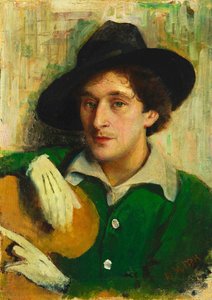
1887 - 1985 , Hviderusland


Hold dig opdateret med de seneste kunstnyheder, eksklusive tilbud og indretningsideer.
Fortæl os om dit projekt, og vores kunsteksperter vil give dig 3 personlige kunstforslag.
Vi kuraterer 3 valgmuligheder kun til dig – Gratis!


 Preview
 Del
Del Del
Del
 Detaljer

 Download
 Lignende værker
 Røntgenundersøgelse
 Diasshow
 Se mere