


x

Køb et højopløst, forbedret digitalt billede, der er langt bedre end online-forhåndsvisningen.
Hver fil er omhyggeligt forberedt af vores interne specialister ved hjælp af avancerede værktøjer og ekspertmæssig manuel retuschering. Vi sikrer, at hvert billede har enestående klarhed, præcis farvegengivelse og fine detaljer.
Den endelige fil leveres via e-mail inden for 72 timer og er optimeret til øjeblikkelig brug i professionelle, redaktionelle og trykte miljøer. Det er den samme kvalitet, som førende designstudier, forlag og gallerier har tillid til.
Download en højopløselig fil til personlig fremvisning, print og kreative projekter. ( Køb print Køb håndlavet maleri)
Når du vælger Most-Famous-Paintings.com, får du ikke blot et billede – du modtager et professionelt optimeret digitalt kunstværk, skabt med præcision og sikret med en tilfredshedsgaranti. Her er alt, hvad din ordre automatisk indeholder:

Din højkvalitets digitale billedfil vil blive sendt til din e-mail inden for 72 timer efter bestilling – klar til øjeblikkelig brug.

Dit kunstværk optimeres professionelt ved hjælp af avancerede AI-værktøjer og manuel redigering, hvilket sikrer maksimal detaljegrad, klarhed og farvenøjagtighed.

Har du ved en fejl slettet eller mistet din fil? Ingen bekymring – vi sender den igen til enhver tid, helt gratis.

Nyd dit kunstværk med det samme uden told, afgifter eller leveringsgebyrer – digitale downloads er altid skattefrie.

Vi sikrer, at dit digitale billede gengiver de originale farver så præcist som muligt ved hjælp af professionelle værktøjer og farvestyring.

Hvis du ikke er tilfreds med dit digitale billede, vil vi revidere det eller refundere 100% inden for 60 dage – uden spørgsmål.

Ik tilfreds? Få fuld refusion inden for 60 dage efter modtagelse af din digitale fil – uden spørgsmål.

Køb 3 billeder, spar 10% - Køb 5, spar 15% - Køb 10+, spar 20%. Ideelt til kreative projekter, gallerier og bureauer.
Mark Rothko (1903 – 1970), born Markus Yakovlevich Rothkowitz in Dvinsk, Latvia, embodies the profound anxieties of a Jewish family grappling with displacement. His formative years were steeped in the uncertainties surrounding pogroms and political instability within the Pale of Settlement, fostering an acute awareness of human suffering—a preoccupation that would permeate his artistic output.
The 1913 emigration to Portland, Oregon, marked not merely a geographical relocation but a significant cultural transformation for Rothko. Amidst his father’s intellectual home brimming with spirited discussions and scholarly pursuits, the untimely death of Jacob Rothkowitz introduced an inescapable element of grief into young Markus's life—a formative experience that instilled a lifelong fascination with themes of loss and trauma.
Rothko’s artistic breakthrough arrived in New York City during the mid-1930s, where he embraced Color Field painting – a revolutionary approach championed by artists like Barnett Newman and Helen Frankenthaler. Unlike traditional representational art that meticulously depicts objects or figures, Color Field painting prioritizes expansive blocks of color as its primary expressive element.
Rothko’s canvases eschew detailed imagery altogether, opting instead for layered rectangles of pigment—typically shades of red, orange, yellow, and blue—that bleed into one another. This technique deliberately obscures boundaries between hues, creating an immersive experience for the viewer that transcends visual perception.
The creation of Rothko’s monumental paintings involved a painstaking process of layering thin sheets of canvas with diluted pigment—often applied by hand using brushes or rollers. This meticulous application resulted in subtle textural variations within each rectangle, adding depth and complexity to the overall composition.
Rothko meticulously controlled every aspect of his technique, striving for an almost meditative state as he worked. He believed that color itself possessed inherent emotional power—that it could communicate feelings directly without resorting to explicit symbolism or narrative.
Rothko’s work emerged during the postwar period, coinciding with a surge of existentialist thought – championed by philosophers like Jean-Paul Sartre and Albert Camus. These thinkers questioned traditional notions of morality and purpose, emphasizing individual responsibility and confronting the inevitability of death.
Rothko responded to these intellectual currents by exploring themes of spirituality and transcendence—attempting to capture the elusive essence of human experience beyond rational comprehension. His paintings evoke a sense of profound melancholy yet simultaneously convey an aspiration for beauty and illumination – mirroring the anxieties and hopes of a generation grappling with the aftermath of global conflict.
While Rothko deliberately avoided overt symbolism, his canvases nevertheless communicate powerful ideas about darkness and light. The dark rectangles represent not merely physical absence but also psychological emptiness—a confrontation with mortality and the unknown.
Conversely, the luminous rectangles embody spiritual presence – offering a glimpse of transcendence and hinting at the possibility of encountering something beyond oneself. Rothko’s masterful manipulation of color achieves this effect by creating an atmosphere of contemplative stillness that invites viewers to contemplate their own inner lives.
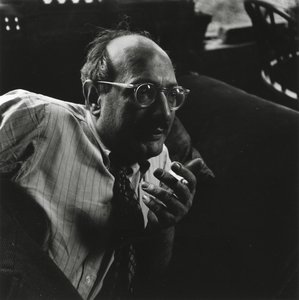
1903 - 1970 , Latvian


Hold dig opdateret med de seneste kunstnyheder, eksklusive tilbud og indretningsideer.
Fortæl os om dit projekt, og vores kunsteksperter vil give dig 3 personlige kunstforslag.
Vi kuraterer 3 valgmuligheder kun til dig – Gratis!


 Se i fuld skala
 Del
Del Del
Del
 Detaljer

 Download
 Lignende værker
 Røntgenundersøgelse
 Diasshow
 Se mere


