x


Håndmalet olie på lærred i din valgte størrelse og ramme, udført efter bestilling af vores kunstnere. ( Skift til print Skift til billede)





























Vælg mellem vores forudindstillede størrelser, der matcher kunstværkets originale proportioner.

Du kan indtaste dine egne mål for at passe til en bestemt ramme eller plads. Hvis den valgte størrelse ikke stemmer overens med det originale billedes proportioner, vil vi enten beskære kunstværket eller udvide maleriet med yderligere håndmalede elementer. En digital skitse sendes til din godkendelse, før produktionen påbegyndes.
Bemærk venligst, at forhåndsvisningen på skærmen ikke afspejler den faktiske beskæring eller udvidelse. Kun skitsen vil nøjagtigt vise den endelige komposition.
Selvom specialmål er mulige, anbefaler vi at vælge en dimension fra den foruddefinerede liste for at bevare de originale proportioner.
Levering i hele verden () på 3/4 uger i stedet for de standard 5 uger. (4 august). Ingen kompromiser med kvaliteten.


Lynn Meadows
Størrelse på reproduktion
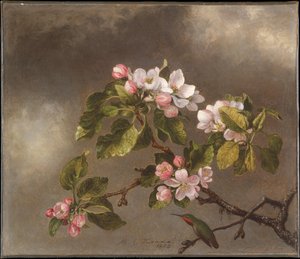
Martin Johnson Heade's "Lynn Meadows," painted in 1863, isn’t merely a depiction of a marsh landscape; it’s an immersion into a specific moment of time, a carefully orchestrated dialogue between light, color, and the quiet drama of nature. This painting, now meticulously reproduced for art lovers worldwide, offers a glimpse into the heart of Luminism – a movement that sought to capture the ephemeral qualities of light and atmosphere with remarkable subtlety and grace. Heade, a master of this style, wasn’t interested in grand vistas or heroic subjects; instead, he focused on the intimate details of the natural world, particularly the serene beauty of coastal marshes.
The scene unfolds before us as a horizontal expanse dominated by the muted browns and greens of the marsh itself. A prominent bridge, rendered with delicate precision, acts as a visual anchor, drawing the eye into the heart of the composition. The foreground is populated with figures – likely laborers engaged in their daily tasks – adding a subtle layer of human presence to this otherwise solitary landscape. However, these individuals are deliberately understated, almost dissolving into the surrounding environment, reinforcing the painting’s overall sense of tranquility and timelessness. The color palette is remarkably restrained, relying on soft washes of ochre, umber, and sage green, creating an atmosphere of hazy warmth and diffused light – a hallmark of Luminist technique.
Heade’s work falls squarely within the Luminist movement, which flourished in America during the mid-19th century. Unlike their Hudson River School counterparts who often depicted dramatic mountain scenes and heroic narratives, Luminists were primarily concerned with capturing the fleeting effects of light on natural subjects. They eschewed heavy brushwork and detailed rendering in favor of loose, atmospheric strokes that suggested movement and transparency. This approach allowed them to convey the subtle shifts in color and tone as sunlight filtered through clouds or reflected off water surfaces. Heade’s “Lynn Meadows” exemplifies this philosophy perfectly – it's less about a literal representation of the marsh and more about evoking its feeling, its mood, its very essence.
The painting’s historical context is equally important to understanding its significance. Painted in 1863, during the American Civil War, “Lynn Meadows” offers a poignant contrast to the turmoil of the nation. It's a scene of quiet contemplation and resilience – a reminder of the enduring beauty of nature even amidst times of great upheaval. The bridge itself can be interpreted as a symbol of connection and progress, linking the human world with the natural one.
Heade employed oil paints on canvas, utilizing a technique characterized by thin layers of color applied in rapid succession. This layering creates a remarkable sense of luminosity – as if the light itself is emanating from the surface of the painting. The brushstrokes are loose and expressive, yet carefully controlled to create a harmonious composition. The artist’s mastery of glazing techniques allows him to build up depth and dimension with subtle variations in color and tone. Close examination reveals the meticulous attention to detail – the texture of the reeds, the ripples on the water, the shadows cast by the bridge.
Beyond its technical brilliance, “Lynn Meadows” is rich in symbolism. The setting sun evokes a sense of transition and closure, suggesting both the end of one day and perhaps even the end of an era. The figures working in the foreground represent the enduring connection between humanity and nature – a reminder that we are part of this intricate ecosystem. Ultimately, the painting’s emotional impact is profoundly serene and contemplative, inviting viewers to pause, reflect, and appreciate the simple beauty of the natural world. It's a piece that speaks to our deepest longing for peace and tranquility, offering a moment of respite from the complexities of modern life.


1819 - 1904 , USA

Explore the captivating world of Martin Johnson Heade, a master of Luminism. Discover his serene landscapes, vibrant still lifes & profound connection to American identity. Learn about his techniques and legacy.

Explore the luminous world of Fitz Henry Lane, a master of American maritime painting & Luminism. Discover his legacy, techniques, and investment potential for discerning art collectors. Expert insights at Most-Famous-Paintings.

Discover the captivating oil paintings of Peter Graham Li – a contemporary artist celebrated for his masterful use of light, color, and impasto technique. Explore investment potential & curated selections at Most-Famous-Paintings.

Explore the rich history of rural life in painting! Discover Impressionist masterpieces, Italian Macchiaioli scenes & the enduring appeal of pastoral landscapes. Find your perfect artwork at Most-Famous-Paintings.
Oliemaleri versus tryk? Få en dybdegående analyse af tekstur, holdbarhed & kunstnerisk værdi fra Most-Famous-Paintings – eksperterne i håndmalet kvalitet og personlige reproduktioner. Invester i et mesterværk!


Hold dig opdateret med de seneste kunstnyheder, eksklusive tilbud og indretningsideer.
Fortæl os om dit projekt, og vores kunsteksperter vil give dig 3 personlige kunstforslag.
Vi kuraterer 3 valgmuligheder kun til dig – Gratis!


 Se i fuld skala
 Del
Del Del
Del
 Detaljer

 Download
 Lignende værker
 Røntgenundersøgelse
 Diasshow


 Se mere







 Glasmulighed er kun tilgængelig i størrelser under 110 cm