


x

Køb et højopløst, forbedret digitalt billede, der er langt bedre end online-forhåndsvisningen.
Hver fil er omhyggeligt forberedt af vores interne specialister ved hjælp af avancerede værktøjer og ekspertmæssig manuel retuschering. Vi sikrer, at hvert billede har enestående klarhed, præcis farvegengivelse og fine detaljer.
Den endelige fil leveres via e-mail inden for 72 timer og er optimeret til øjeblikkelig brug i professionelle, redaktionelle og trykte miljøer. Det er den samme kvalitet, som førende designstudier, forlag og gallerier har tillid til.
Download en højopløselig fil til personlig fremvisning, print og kreative projekter. ( Køb print Køb håndlavet maleri)
Når du vælger Most-Famous-Paintings.com, får du ikke blot et billede – du modtager et professionelt optimeret digitalt kunstværk, skabt med præcision og sikret med en tilfredshedsgaranti. Her er alt, hvad din ordre automatisk indeholder:

Din højkvalitets digitale billedfil vil blive sendt til din e-mail inden for 72 timer efter bestilling – klar til øjeblikkelig brug.

Dit kunstværk optimeres professionelt ved hjælp af avancerede AI-værktøjer og manuel redigering, hvilket sikrer maksimal detaljegrad, klarhed og farvenøjagtighed.

Har du ved en fejl slettet eller mistet din fil? Ingen bekymring – vi sender den igen til enhver tid, helt gratis.

Nyd dit kunstværk med det samme uden told, afgifter eller leveringsgebyrer – digitale downloads er altid skattefrie.

Vi sikrer, at dit digitale billede gengiver de originale farver så præcist som muligt ved hjælp af professionelle værktøjer og farvestyring.

Hvis du ikke er tilfreds med dit digitale billede, vil vi revidere det eller refundere 100% inden for 60 dage – uden spørgsmål.

Ik tilfreds? Få fuld refusion inden for 60 dage efter modtagelse af din digitale fil – uden spørgsmål.

Køb 3 billeder, spar 10% - Køb 5, spar 15% - Køb 10+, spar 20%. Ideelt til kreative projekter, gallerier og bureauer.
“The Great Bear,” painted in 1938 during Klee’s prolific period at Bauhaus Dessau, stands as a cornerstone of his artistic legacy. More than just a depiction of an animal—a stylized bear dominating the canvas—it embodies Klee's unwavering commitment to exploring the intersection between geometry and organic form, resulting in a visual experience that transcends mere representation.
Klee’s style is undeniably abstract, prioritizing suggestion over literal accuracy. However, it isn’t devoid of structure; rather, he employs meticulous geometric patterns—circles, squares, triangles—to create a dynamic equilibrium. These shapes aren't simply decorative elements; they actively contribute to the overall composition, guiding the viewer’s eye and establishing relationships between disparate visual components. The bear itself is rendered as a series of interlocking circles and angular lines, conveying both solidity and movement simultaneously.
Klee favored watercolor washes as his primary medium, layering translucent pigments to achieve luminous color gradations that imbue the painting with an ethereal quality. Beneath this washy surface lie precise line drawings—often executed in black ink—that delineate key contours and define structural elements. This dual technique—watercolor for color and ink for form—allowed Klee to capture both the vibrancy of his imagination and the meticulous control demanded by his artistic vision.
“The Great Bear” emerged from the Bauhaus Dessau workshop, a revolutionary institution founded in 1925 that championed experimental design principles. Klee’s involvement at Bauhaus reflected the broader ethos of the time—a fervent desire to liberate art from traditional conventions and embrace new approaches to visual expression. The painting served as a testament to Bauhaus's belief in exploring unconventional materials and techniques, pushing boundaries of artistic innovation.
The bear itself carries significant symbolic weight within Klee’s oeuvre and broader European folklore. Traditionally associated with strength, courage, and protection—particularly over winter—the bear represents primal instincts and resilience. In “The Great Bear,” Klee utilizes geometric abstraction to convey these concepts indirectly, suggesting a deeper understanding of the animal's essence beyond its physical appearance.
Despite its intricate geometric patterns, “The Great Bear” exudes an unexpected sense of tranquility. The harmonious interplay of color and form creates a visual rhythm that invites contemplation—a quiet invitation to immerse oneself in the painting’s contemplative atmosphere. Ultimately, Klee's masterpiece speaks to the enduring power of art to evoke emotion and inspire wonder, reminding us that beauty can be found even within the most complex structures.

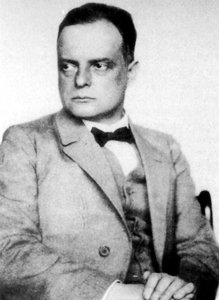
1879 - 1940 , Schweiz


Hold dig opdateret med de seneste kunstnyheder, eksklusive tilbud og indretningsideer.
Fortæl os om dit projekt, og vores kunsteksperter vil give dig 3 personlige kunstforslag.
Vi kuraterer 3 valgmuligheder kun til dig – Gratis!


 Se i fuld skala
 Del
Del Del
Del
 Detaljer

 Download
 Lignende værker
 Røntgenundersøgelse
 Diasshow

 Se mere


