x

Giclée- eller lærredstryk i museumskvalitet med hurtig produktion og fleksible muligheder for finish. ( Køb håndlavet maleri Køb billede)





























Vælg mellem vores forudindstillede størrelser, der matcher kunstværkets originale proportioner.

Du kan indtaste dine egne mål for at passe til en specifik ramme eller et bestemt område. Hvis den valgte størrelse ikke stemmer overens med det originale billedes proportioner, vil vi enten beskære kunstværket eller udvide billedet med en spejlet eller ensfarvet kant. En digital mockup vil blive sendt til din godkendelse, før produktionen påbegyndes.
Bemærk venligst, at forhåndsvisningen på skærmen ikke afspejler den faktiske beskæring eller udvidelse. Kun mockuppen vil nøjagtigt vise den endelige komposition.
Selvom specialmål er tilgængelige, anbefaler vi at vælge et mål fra den foruddefinerede liste for at bevare de originale proportioner.
Verdensomspændende levering () på 2 uger i stedet for de sædvanlige 4/5 uger. (20 august)


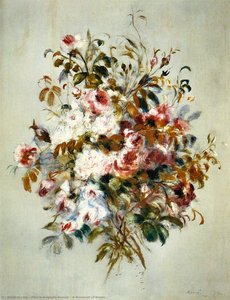
Anemones
Størrelse på reproduktion
Pierre-Auguste Renoir's 'Anemones', painted in 1916 during the twilight years of Impressionism, stands as a poignant reminder of artistic beauty amidst turbulent times. More than just a depiction of flowers—specifically three vibrant red poppies adorned with sapphire blue centers nestled within a simple vase—the painting embodies the very essence of Renost’s signature style: capturing fleeting moments of sensory experience and transforming them into enduring visual impressions. To gaze upon this work is to step into a world bathed in warmth, where the boundaries between light and matter seem to dissolve into a golden, ethereal glow.
The Impressionist technique employed here rejects the rigid academic conventions of the past in favor of a revolutionary approach to pigment and movement. Renoir eschewed meticulous blending, opting instead for loose, visible strokes that allow the interplay of light on canvas to dominate the viewer's perception. This method—characterized by layering thin washes of color—creates a luminous texture, mirroring the dappled sunlight filtering through foliage and capturing the subtle nuances of atmosphere. One can observe how Renoir skillfully renders the vase’s surface as if it were reflecting a soft, golden radiance, subtly enhancing the overall mood of tranquility and peace.
The choice of flora within this composition carries significant weight beyond mere decoration. While the painting is often celebrated for its aesthetic brilliance, the vibrant reds of the blossoms symbolize passion and vitality, juxtaposed against the cool, deep blues of their centers which evoke a sense of serenity and contemplation. In the cultural context of the era, such flowers could represent remembrance; however, Renoir transcends mere commemoration, elevating the anemone to an emblem of pure beauty itself. The painting serves as a profound appreciation for the ephemeral joys of life, capturing the delicate balance between strength and fragility.
Painted in the wake of World War I, 'Anemones' reflects a period marked by immense global suffering and disillusionment. Yet, within this frame, Renoir refuses to succumb to the darkness of the era. Instead, he offers a sanctuary of color. For the collector or interior designer, this piece acts as a focal point of resilience and grace. Its warm tones and soft, impressionistic textures make it an ideal addition to any space seeking to evoke calm, sophistication, and a timeless connection to the natural world. It is not merely a still life; it is an invitation to linger in a moment of eternal spring.

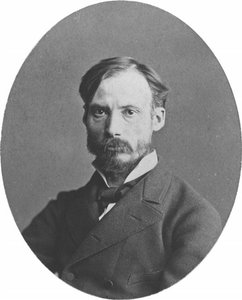
1841 - 1919 , Frankrig

Explore the profound history of red flower masterpieces, from Renaissance botanical realism to O'Keeffe's modernism. Discover how iconic crimson blooms have shaped art history and find museum-quality hand-painted reproductions for your collection.


Hold dig opdateret med de seneste kunstnyheder, eksklusive tilbud og indretningsideer.
Fortæl os om dit projekt, og vores kunsteksperter vil give dig 3 personlige kunstforslag.
Vi kuraterer 3 valgmuligheder kun til dig – Gratis!


 Se i fuld skala
 Del
Del Del
Del
 Detaljer

 Download
 Lignende værker
 Røntgenundersøgelse
 Diasshow

 Se mere







 Glasmulighed er kun tilgængelig i størrelser under 110 cm