


x

 Acrylic On CanvasWallArtImpressionist Painting
 1895
1895 32.0 x 41.0 cm
Giclée- eller lærredstryk i museumskvalitet med hurtig produktion og fleksible muligheder for finish. ( Køb håndlavet maleri Køb billede)





























Vælg mellem vores forudindstillede størrelser, der matcher kunstværkets originale proportioner.

Du kan indtaste dine egne mål for at passe til en specifik ramme eller et bestemt område. Hvis den valgte størrelse ikke stemmer overens med det originale billedes proportioner, vil vi enten beskære kunstværket eller udvide billedet med en spejlet eller ensfarvet kant. En digital mockup vil blive sendt til din godkendelse, før produktionen påbegyndes.
Bemærk venligst, at forhåndsvisningen på skærmen ikke afspejler den faktiske beskæring eller udvidelse. Kun mockuppen vil nøjagtigt vise den endelige komposition.
Selvom specialmål er tilgængelige, anbefaler vi at vælge et mål fra den foruddefinerede liste for at bevare de originale proportioner.
Verdensomspændende levering () på 2 uger i stedet for de sædvanlige 4/5 uger. (21 august)


Odalisque
Størrelse på reproduktion
Pierre-Auguste Renoir’s ‘Odalisque,’ completed in 1895, stands as a quintessential emblem of Impressionism and the broader movement known as Orientalism. More than just a portrait, it's an immersive experience—a meticulously crafted illusion designed to transport the viewer into a realm of sensual beauty and exotic allure. This captivating painting resides within the Musée Ingres Bourdelle in Montauban, France, offering visitors a chance to contemplate one of Renoir’s most celebrated works alongside sculptures by Ingres and Bourdelle.
‘Odalisque’ emerged during a period profoundly influenced by Orientalism—a European artistic preoccupation with the cultures and landscapes of the Middle East and North Africa. Unlike purely ethnographic depictions, Orientalist art sought to romanticize these regions, portraying them as paradisiacal spaces infused with sensuality and mystery. Artists like Renoir weren't merely documenting; they were actively constructing narratives that catered to Victorian sensibilities—a fascination for the opulent lifestyles and exotic traditions of distant lands.
Renoir’s approach distinguishes itself from earlier academic painting styles. He deliberately eschewed precise anatomical detail, prioritizing instead capturing fleeting impressions of light and color. This technique aligns perfectly with Impressionism's core tenets: abandoning traditional linear perspective and focusing on conveying the subjective experience of seeing.
The painting’s composition is deceptively simple yet remarkably effective. Renoir centers his gaze upon a woman draped in luxurious fabrics—a deliberate choice reflecting the stylistic conventions of Orientalism. The subtle layering of colors—primarily reds, golds, and creams—creates an atmosphere of warmth and intimacy. Notice how Renoir utilizes soft brushstrokes to blend hues seamlessly, mimicking the diffused light characteristic of outdoor scenes. This masterful technique lends a palpable sense of movement and vibrancy to the canvas.
'Odalisque' transcends mere visual representation; it embodies a complex tapestry of symbolic meanings. The woman herself represents idealized beauty—a figure detached from everyday concerns, embodying grace and serenity. Her gaze directs the viewer’s attention inward, inviting contemplation on themes of desire and contemplation. Furthermore, the surrounding drapery symbolizes wealth and status – elements integral to portraying the exotic allure of Oriental culture.
Ultimately, Renoir's 'Odalisque' succeeds in conveying a profound emotional impact. It captures not just what is seen but how it feels—a yearning for beauty, tranquility, and escape from the mundane realities of Victorian life. Its enduring appeal testifies to Renoir’s ability to distill complex emotions into a single, unforgettable image.
‘Odalisque’ continues to inspire artists today, demonstrating its timeless relevance. Its influence can be discerned in contemporary fashion photography and modern paintings that revisit historical motifs. The painting serves as a reminder of Impressionism's revolutionary spirit—a commitment to capturing the ephemeral beauty of the natural world with unprecedented sensitivity.

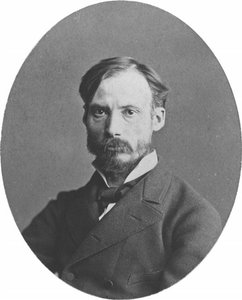
1841 - 1919 , Frankrig

Oplev Renoirs 25 mest ikoniske malerier! Fordyb dig i Impressionismens verden, fra 'Bal du moulin de la Galette' til 'Umbrellas'. Køb museumskvalitets reproduktioner og find inspiration til din bolig på Most-Famous-Paintings.com.

Explore the captivating world of Pierre-Auguste Renoir! Discover his life, iconic Impressionist masterpieces & enduring legacy with our expert guide. High-quality reproductions available.

Oplev impressionismens magi! Dyk ned i historierne bag 10 ikoniske malerier af Monet, Degas, Renoir og Van Gogh. Find inspiration til dit hjem med museumskvalitets reproduktioner på Most-Famous-Paintings.com – din kilde til smuk vægkunst og tidløs dekoration.

Oplev impressionismens magi! Dyk ned i historierne bag 10 ikoniske malerier fra Monet, Degas og Renoir. Find inspiration til din indretning med smukke kunsttryk af høj kvalitet på Most-Famous-Paintings.com – museumskvalitet direkte til dit hjem. Udforsk samlingen online!

Oplev impressionismens magi! Dyk ned i top 10 kunstværker af Monet, Renoir & Degas. Lær historierne bag disse ikoniske malerier og find inspiration til din indretning. Museumskvalitet reproduktioner på Most-Famous-Paintings.com – udforsk samlingen online!


Hold dig opdateret med de seneste kunstnyheder, eksklusive tilbud og indretningsideer.
Fortæl os om dit projekt, og vores kunsteksperter vil give dig 3 personlige kunstforslag.
Vi kuraterer 3 valgmuligheder kun til dig – Gratis!


 Se i fuld skala
 Del
Del Del
Del
 Detaljer

 Download
 Lignende værker
 Røntgenundersøgelse
 Diasshow
 Se mere







 Glasmulighed er kun tilgængelig i størrelser under 110 cm


