


x

 Acrylic On CanvasWallArtSurrealist Movement
 1926Early Modern
 75.0 x 65.0 cm
Håndmalet olie på lærred i din valgte størrelse og ramme, udført efter bestilling af vores kunstnere. ( Køb print Køb billede)





























Vælg mellem vores forudindstillede størrelser, der matcher kunstværkets originale proportioner.

Du kan indtaste dine egne mål for at passe til en bestemt ramme eller plads. Hvis den valgte størrelse ikke stemmer overens med det originale billedes proportioner, vil vi enten beskære kunstværket eller udvide maleriet med yderligere håndmalede elementer. En digital skitse sendes til din godkendelse, før produktionen påbegyndes.
Bemærk venligst, at forhåndsvisningen på skærmen ikke afspejler den faktiske beskæring eller udvidelse. Kun skitsen vil nøjagtigt vise den endelige komposition.
Selvom specialmål er mulige, anbefaler vi at vælge en dimension fra den foruddefinerede liste for at bevare de originale proportioner.
Levering i hele verden () på 3/4 uger i stedet for de standard 5 uger. (22 august). Ingen kompromiser med kvaliteten.


The silver gap
Størrelse på reproduktion
René Magritte's "The Silver Gap," painted in 1926, is more than just a depiction of mirrors and circles; it’s a meticulously crafted exploration of perception, illusion, and the unsettling nature of reality itself. Executed during a pivotal moment in Surrealist art – a movement that sought to unlock the unconscious mind through dreamlike imagery – this piece exemplifies Magritte's signature style: deceptively simple compositions layered with profound philosophical questions. Measuring 75 x 65 cm, the artwork invites viewers into a space where familiar objects transform into enigmatic symbols, challenging our fundamental understanding of how we see and interpret the world.
The genesis of "The Silver Gap" is inextricably linked to Magritte’s personal history. The recurring motif of veiled figures and obscured faces – a direct consequence of his mother’s tragic death – permeates the artwork, subtly reminding us that our perceptions are shaped by memory, loss, and the inherent difficulty in grasping the totality of experience. The chair positioned near the left side could be interpreted as a symbol of contemplation or perhaps even mourning, adding another layer of emotional resonance to the scene. The red object at the bottom right corner is deliberately ambiguous, acting as a focal point that draws the eye while simultaneously refusing to offer any definitive meaning – mirroring the elusive nature of truth itself.
Created in 1926, “The Silver Gap” sits squarely within the burgeoning movement of Surrealism. Magritte, along with artists like Salvador Dalí, was pushing against the rationalism of the early 20th century, seeking to tap into the subconscious and explore the irrational. However, unlike Dalí’s overtly fantastical imagery, Magritte favored a more restrained approach, grounding his surreal visions in everyday objects and settings. This deliberate choice – presenting the bizarre within the familiar – heightened the painting's impact, forcing viewers to confront their own preconceptions about reality. His work anticipated later developments in conceptual art, emphasizing the viewer’s role as an active participant in constructing meaning.
"The Silver Gap" is a powerfully evocative artwork that continues to resonate with audiences today. Its unsettling composition and ambiguous symbolism invite contemplation on themes of identity, perception, and the nature of reality. This hand-painted reproduction captures not only the visual details of Magritte’s original masterpiece but also the emotional depth and intellectual complexity that define his work. It's a piece ideal for collectors seeking to own a significant work by one of the 20th century’s most influential artists, or for interior designers looking to introduce an element of mystery and intrigue into their spaces.

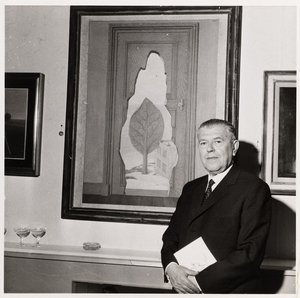
1898 - 1967 , Belgien

Explore the profound mystery of René Magritte’s 'The Treachery of Images.' Dive into an expert analysis of his Surrealist philosophy, the paradox of representation, and how he challenged reality through the interplay of language and visual perception.

Elevate your design projects with Most-Famous-Paintings's premium canvas prints and hand-painted reproductions. Discover affordable, museum-quality wall decor delivered worldwide, offering freelance decorators professional excellence, archival durability, and bespoke customization for every space.


Hold dig opdateret med de seneste kunstnyheder, eksklusive tilbud og indretningsideer.
Fortæl os om dit projekt, og vores kunsteksperter vil give dig 3 personlige kunstforslag.
Vi kuraterer 3 valgmuligheder kun til dig – Gratis!


 Se i fuld skala
 Del
Del Del
Del
 Detaljer

 Download
 Lignende værker
 Røntgenundersøgelse
 Diasshow
 Se mere







 Glasmulighed er kun tilgængelig i størrelser under 110 cm


