x

 Bestil maleri Køb højopløseligt billede
 Del
Del
 Detaljer
 Tilføj til favoritter
 Download
 Lignende værker
 Røntgenundersøgelse
 Diasshow
Giclée- eller lærredstryk i museumskvalitet med hurtig produktion og fleksible muligheder for finish.





























Vælg mellem vores forudindstillede størrelser, der matcher kunstværkets originale proportioner.

Du kan indtaste dine egne mål for at passe til en specifik ramme eller et bestemt område. Hvis den valgte størrelse ikke stemmer overens med det originale billedes proportioner, vil vi enten beskære kunstværket eller udvide billedet med en spejlet eller ensfarvet kant. En digital mockup vil blive sendt til din godkendelse, før produktionen påbegyndes.
Bemærk venligst, at forhåndsvisningen på skærmen ikke afspejler den faktiske beskæring eller udvidelse. Kun mockuppen vil nøjagtigt vise den endelige komposition.
Selvom specialmål er tilgængelige, anbefaler vi at vælge et mål fra den foruddefinerede liste for at bevare de originale proportioner.
Verdensomspændende levering () på 2 uger i stedet for de sædvanlige 4/5 uger. (21 juli)


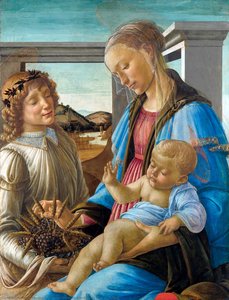
Angel
Størrelse på reproduktion
Sandro Botticelli's “Angel,” painted circa 1475–85, stands as a cornerstone of Florentine Renaissance art—a testament to the era’s fascination with classical ideals and its profound spiritual contemplation. More than just a depiction of an angelic figure, this artwork embodies the humanist spirit that characterized the period, reflecting Botticelli's masterful command of color, line, and composition.
Subject Matter & Composition: The painting portrays an angel—specifically, a woman—positioned on the left side of the canvas. Her gaze directs upwards, suggesting contemplation and aspiration. Alongside her stands a man, though his role appears secondary to the angelic presence. Botticelli skillfully employs pyramidal composition, grounding the figure in stability while simultaneously elevating it towards the heavens.
Style & Technique: Botticelli’s style is instantly recognizable for its delicate lines, soft pastel hues, and graceful curves—a deliberate departure from the harsher realism favored by earlier artists. He utilizes tempera paint on panel, a technique known for its luminosity and ability to achieve subtle tonal variations. The meticulous attention to detail evident in the angel's drapery and hair demonstrates Botticelli’s dedication to capturing idealized beauty.
Historical Context: Created during Lorenzo de Medici’s reign—the “Magnificent Florentine”—“Angel” reflects the burgeoning humanist movement that championed reason, observation, and artistic excellence. The rediscovery of classical sculpture and literature fueled a desire for harmony and proportion, influencing artists like Botticelli to strive for perfection in their representations of human form and divine grace. As evidenced by research links provided, similar works such as “Virgin and Child with an Angel” showcase the same stylistic trends.
Symbolism & Emotional Impact: The angel’s upward gaze symbolizes spiritual enlightenment and transcendence—a core belief within Renaissance Christianity. Botticelli's portrayal of femininity embodies ideals of purity and virtue, aligning with prevailing moral sensibilities of the time. Viewing “Angel” evokes a sense of serenity and wonder, inviting contemplation on themes of faith, beauty, and divine inspiration. The artwork’s enduring appeal lies in its ability to communicate profound emotions through understated elegance.
Further Exploration: For those interested in delving deeper into Botticelli's artistic legacy, examining works like “Santa Maria degli Angeli” – a monumental church designed by Michelangelo—offers invaluable insight into the broader context of Renaissance architectural innovation and artistic patronage. Similarly, exploring Francesco Rosselli’s masterful depictions of biblical narratives exemplifies the stylistic influences shaping Florentine art during this transformative era.

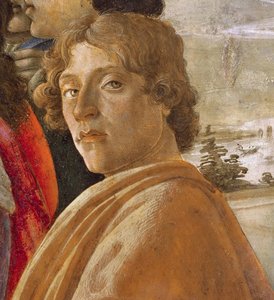
1445 - 1510 , Italien
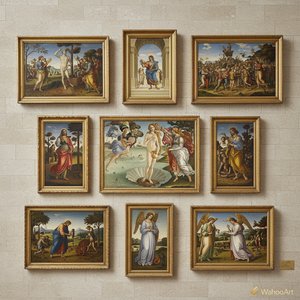
Oplev renæssancens guldalder! Udforsk top 10 mesterværker fra Leonardo da Vinci, Michelangelo & Botticelli. Lær om kunsthistorie og find museumskvalitets reproduktioner til dit hjem på Most-Famous-Paintings.com. Inspiration & dekoration.
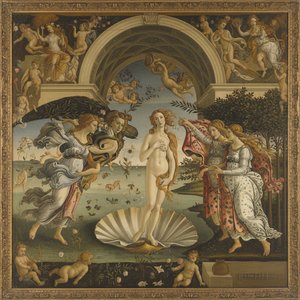
Oplev Sandro Botticellis 25 mest ikoniske malerier! Fordyb dig i renæssancens skønhed, mytologi og kunstnerisk genialitet. Find museumskvalitets reproduktioner & inspiration til din bolig på Most-Famous-Paintings.com – udforsk samlingen online!
Explore the Italian Renaissance! Discover how competitive patronage & humanist ideals fueled artistic innovation in republics like Florence & Venice. Expert insights for art lovers and collectors.

Explore the enduring legacy of artists through history! Discover key themes, techniques & cultural impact. Expert art consultation, custom reproductions & appraisal services at Most-Famous-Paintings.

Explore the captivating history of angels in art! Discover symbolism, iconic Renaissance masterpieces & renowned artists. Expert insights for art lovers & collectors at Most-Famous-Paintings.


Hold dig opdateret med de seneste kunstnyheder, eksklusive tilbud og indretningsideer.
Fortæl os om dit projekt, og vores kunsteksperter vil give dig 3 personlige kunstforslag.
Vi kuraterer 3 valgmuligheder kun til dig – Gratis!


 Del
Del


 Se mere







 Glasmulighed er kun tilgængelig i størrelser under 110 cm