


x

 Oil On CanvasWallArtEarly Renaissance
 1496Renaissance
 47.0 x 41.0 cm
Køb et højopløst, forbedret digitalt billede, der er langt bedre end online-forhåndsvisningen.
Hver fil er omhyggeligt forberedt af vores interne specialister ved hjælp af avancerede værktøjer og ekspertmæssig manuel retuschering. Vi sikrer, at hvert billede har enestående klarhed, præcis farvegengivelse og fine detaljer.
Den endelige fil leveres via e-mail inden for 72 timer og er optimeret til øjeblikkelig brug i professionelle, redaktionelle og trykte miljøer. Det er den samme kvalitet, som førende designstudier, forlag og gallerier har tillid til.
Download en højopløselig fil til personlig fremvisning, print og kreative projekter. ( Køb print Køb håndlavet maleri)
Når du vælger Most-Famous-Paintings.com, får du ikke blot et billede – du modtager et professionelt optimeret digitalt kunstværk, skabt med præcision og sikret med en tilfredshedsgaranti. Her er alt, hvad din ordre automatisk indeholder:

Din højkvalitets digitale billedfil vil blive sendt til din e-mail inden for 72 timer efter bestilling – klar til øjeblikkelig brug.

Dit kunstværk optimeres professionelt ved hjælp af avancerede AI-værktøjer og manuel redigering, hvilket sikrer maksimal detaljegrad, klarhed og farvenøjagtighed.

Har du ved en fejl slettet eller mistet din fil? Ingen bekymring – vi sender den igen til enhver tid, helt gratis.

Nyd dit kunstværk med det samme uden told, afgifter eller leveringsgebyrer – digitale downloads er altid skattefrie.

Vi sikrer, at dit digitale billede gengiver de originale farver så præcist som muligt ved hjælp af professionelle værktøjer og farvestyring.

Hvis du ikke er tilfreds med dit digitale billede, vil vi revidere det eller refundere 100% inden for 60 dage – uden spørgsmål.

Ik tilfreds? Få fuld refusion inden for 60 dage efter modtagelse af din digitale fil – uden spørgsmål.

Køb 3 billeder, spar 10% - Køb 5, spar 15% - Køb 10+, spar 20%. Ideelt til kreative projekter, gallerier og bureauer.
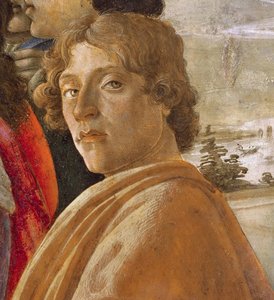
Created in 1496, Sandro Botticelli's "The Outcast" is a deeply moving depiction of human sorrow and isolation. This intimate work offers a poignant glimpse into the emotional landscape of the Renaissance, diverging from his more celebrated mythological scenes to focus on raw, relatable feeling.
The painting centers around a solitary female figure seated upon stone steps, set against the backdrop of what appears to be ancient Roman ruins. Her posture—head bowed, hands clasped loosely in her lap—speaks volumes about grief and despair. The composition is powerfully vertical, emphasized by the archway, the descending steps, and the woman’s own form. This creates a sense of enclosure and confinement, visually mirroring her emotional state. The figure isn't actively *doing* anything; she simply *is*, lost in contemplation or mourning.
Botticelli masterfully employs an oil painting technique characterized by soft blending and subtle gradations of color. The palette is restrained, dominated by warm browns, ochres, and pinkish-red tones that contribute to the melancholic atmosphere. Lines are gentle and flowing, lending a sense of vulnerability to the figure. While rooted in the traditions of early Renaissance realism, “The Outcast” also hints at the emotional intensity that would come to define Romanticism. The texture is suggested through delicate shading, evoking the rough surface of the stone and the weight of the draped fabric.
Late 15th-century Florence was a period of significant social and political upheaval, marked by religious fervor and anxieties. While the precise meaning remains open to interpretation, “The Outcast” likely reflects these broader cultural concerns. The Roman ruins themselves symbolize decay, loss, and the transience of earthly power. Some scholars suggest the figure represents a penitent Magdalene or embodies a more universal experience of suffering and exile. Botticelli’s choice to depict such a vulnerable subject matter is notable, particularly given his earlier focus on idealized beauty.
“The Outcast” isn't a painting that shouts; it whispers. Its power lies in its quiet intimacy and the universality of its theme—the experience of loss, loneliness, and profound sadness. The work invites viewers to empathize with the figure’s plight and contemplate their own experiences of sorrow. It is a testament to Botticelli’s skill as an artist that he can convey such depth of emotion with such restraint.
“The Outcast” stands as a powerful reminder of the enduring human capacity for both suffering and resilience—a timeless work that continues to resonate with audiences centuries after its creation.

1445 - 1510 , Italien


Hold dig opdateret med de seneste kunstnyheder, eksklusive tilbud og indretningsideer.
Fortæl os om dit projekt, og vores kunsteksperter vil give dig 3 personlige kunstforslag.
Vi kuraterer 3 valgmuligheder kun til dig – Gratis!


 Se i fuld skala
 Del
Del Del
Del
 Detaljer

 Download
 Lignende værker
 Røntgenundersøgelse
 Diasshow
 Se mere


