


x

 Oil On CanvasWallArtBaroque Renaissance
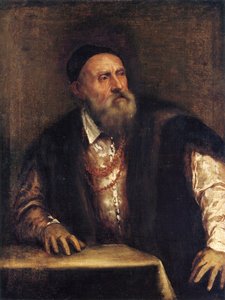
 1548
1548 68.0 x 53.0 cm
 Pradomuseet
Køb et højopløst, forbedret digitalt billede, der er langt bedre end online-forhåndsvisningen.
Hver fil er omhyggeligt forberedt af vores interne specialister ved hjælp af avancerede værktøjer og ekspertmæssig manuel retuschering. Vi sikrer, at hvert billede har enestående klarhed, præcis farvegengivelse og fine detaljer.
Den endelige fil leveres via e-mail inden for 72 timer og er optimeret til øjeblikkelig brug i professionelle, redaktionelle og trykte miljøer. Det er den samme kvalitet, som førende designstudier, forlag og gallerier har tillid til.
Download en højopløselig fil til personlig fremvisning, print og kreative projekter. ( Køb print Køb håndlavet maleri)
Når du vælger Most-Famous-Paintings.com, får du ikke blot et billede – du modtager et professionelt optimeret digitalt kunstværk, skabt med præcision og sikret med en tilfredshedsgaranti. Her er alt, hvad din ordre automatisk indeholder:

Din højkvalitets digitale billedfil vil blive sendt til din e-mail inden for 72 timer efter bestilling – klar til øjeblikkelig brug.

Dit kunstværk optimeres professionelt ved hjælp af avancerede AI-værktøjer og manuel redigering, hvilket sikrer maksimal detaljegrad, klarhed og farvenøjagtighed.

Har du ved en fejl slettet eller mistet din fil? Ingen bekymring – vi sender den igen til enhver tid, helt gratis.

Nyd dit kunstværk med det samme uden told, afgifter eller leveringsgebyrer – digitale downloads er altid skattefrie.

Vi sikrer, at dit digitale billede gengiver de originale farver så præcist som muligt ved hjælp af professionelle værktøjer og farvestyring.

Hvis du ikke er tilfreds med dit digitale billede, vil vi revidere det eller refundere 100% inden for 60 dage – uden spørgsmål.

Ik tilfreds? Få fuld refusion inden for 60 dage efter modtagelse af din digitale fil – uden spørgsmål.

Køb 3 billeder, spar 10% - Køb 5, spar 15% - Køb 10+, spar 20%. Ideelt til kreative projekter, gallerier og bureauer.
Titian’s “Ecce Homo,” painted in 1548, isn't merely a depiction of a biblical scene; it’s a profound meditation on humility, judgment, and the unsettling beauty of human suffering. This oil-on-canvas masterpiece, currently residing within the hallowed halls of the Museo del Prado in Madrid, offers a rare glimpse into the mind of one of the Renaissance’s most influential figures – Tiziano Vecellio, or simply Titian. The painting's stark monochrome palette immediately draws the viewer in, stripping away the distractions of color and focusing entirely on the figure of Christ before him. It’s a deliberate choice that amplifies the gravity of the moment, echoing the solemnity of early Christian iconography while simultaneously hinting at a more personal, almost melancholic contemplation.
The year 1548 marked a pivotal point in Titian’s career. He had recently traveled to Augsburg, Germany, where he was commissioned by Emperor Charles V to paint portraits of the imperial court. This journey coincided with Charles's hard-won victory at the Battle of Mühlberg, a triumph that solidified his power and demanded visual representation. “Ecce Homo,” likely created during this period, serves as a poignant counterpoint to the celebratory imagery often associated with imperial power. Rather than glorifying military might, Titian presents a scene of quiet introspection – a Christ accepting his fate with a profound sadness that resonates deeply within the viewer.
Titian’s mastery lies not just in his subject matter but also in his extraordinary technical skill. The painting's composition is remarkably balanced, with Christ occupying a central position that commands immediate attention. His downward gaze, a direct address to the viewer, creates an intimate connection, as if he’s sharing a private moment of reflection. Notice the subtle modeling of his face – the delicate lines around his eyes and mouth convey a wealth of emotion without resorting to dramatic gestures. The loose brushwork, characteristic of Titian's mature style, lends a sense of immediacy and movement to the scene, preventing it from feeling static or overly formal. The use of *chiaroscuro*, the masterful interplay of light and shadow, further enhances the depth and dimensionality, guiding our eyes towards the central figure and amplifying the emotional impact.
While rooted in the biblical story of Pilate presenting Jesus to the crowd proclaiming “Behold, the Man!”, “Ecce Homo” transcends a simple retelling. The absence of other figures – save for two indistinct individuals in the background – emphasizes Christ’s isolation and vulnerability. This deliberate framing invites contemplation on themes of sacrifice, judgment, and the human condition. Some art historians suggest that Titian may have subtly incorporated elements of Venetian folklore or symbolism into the painting, though these interpretations remain debated. Regardless, the image powerfully evokes a sense of universal sorrow – a recognition of mortality and the weight of responsibility inherent in leadership.
At Most-Famous-Paintings.com, we are dedicated to preserving the beauty and impact of masterpieces like “Ecce Homo.” Our meticulously crafted oil painting reproductions capture every nuance of Titian’s original technique, offering you an exquisite addition to your collection or a stunning focal point for your interior design. Experience the profound emotion and artistic genius of this iconic work firsthand – a timeless testament to the power of art to illuminate the human spirit.

1490 - 1576 , Italien


Hold dig opdateret med de seneste kunstnyheder, eksklusive tilbud og indretningsideer.
Fortæl os om dit projekt, og vores kunsteksperter vil give dig 3 personlige kunstforslag.
Vi kuraterer 3 valgmuligheder kun til dig – Gratis!


 Se i fuld skala
 Del
Del Del
Del
 Detaljer

 Download
 Lignende værker
 Røntgenundersøgelse
 Diasshow
 Se mere


