


x


Håndmalet olie på lærred i din valgte størrelse og ramme, udført efter bestilling af vores kunstnere. ( Skift til print Skift til billede)





























Vælg mellem vores forudindstillede størrelser, der matcher kunstværkets originale proportioner.

Du kan indtaste dine egne mål for at passe til en bestemt ramme eller plads. Hvis den valgte størrelse ikke stemmer overens med det originale billedes proportioner, vil vi enten beskære kunstværket eller udvide maleriet med yderligere håndmalede elementer. En digital skitse sendes til din godkendelse, før produktionen påbegyndes.
Bemærk venligst, at forhåndsvisningen på skærmen ikke afspejler den faktiske beskæring eller udvidelse. Kun skitsen vil nøjagtigt vise den endelige komposition.
Selvom specialmål er mulige, anbefaler vi at vælge en dimension fra den foruddefinerede liste for at bevare de originale proportioner.
Levering i hele verden () på 3/4 uger i stedet for de standard 5 uger. (1 august). Ingen kompromiser med kvaliteten.


Mary Edwards
Størrelse på reproduktion
William Hogarth's "Mary Edwards," a captivating portrait rendered with his signature meticulous detail and sharp social observation, offers more than just a likeness; it presents a carefully constructed tableau of domesticity and quiet introspection. Painted around the mid-18th century, this work exemplifies Hogarth’s unique approach to genre painting – moving beyond mere representation to deliver a subtle commentary on the roles and expectations placed upon women within the burgeoning urban landscape of London. The scene unfolds within a modestly furnished interior, likely a parlor or study, bathed in soft light that suggests an afternoon repose. At the heart of the composition sits Mary Edwards, a woman of evident grace and intelligence, absorbed in a book. Her posture is relaxed yet dignified, her gaze directed inward, hinting at a world of thought and imagination contained within those pages.
Beside her rests her loyal dog, a creature of gentle demeanor that mirrors the serenity of the scene. The inclusion of the animal isn’t merely decorative; it speaks to the close bonds between humans and animals in 18th-century life – a shared space of companionship and mutual affection. The dining table behind them, adorned with simple tableware and a clock, anchors the composition within the realities of daily existence. The clock, a recurring motif in Hogarth’s work, serves as a subtle reminder of time's relentless passage, adding a layer of temporal awareness to the scene.
Hogarth was renowned for his painstaking technique, honed during his early apprenticeship as an engraver. This training instilled within him an unparalleled ability to render texture, light, and shadow with astonishing accuracy. In “Mary Edwards,” this skill is immediately apparent. Notice the subtle variations in the fabric of Mary’s dress – the delicate folds, the sheen of the material, all meticulously captured. The dog's fur is rendered with a remarkable level of detail, conveying its softness and warmth. Hogarth’s use of chiaroscuro—the dramatic contrast between light and dark—further enhances the sense of depth and realism within the painting. He masterfully employs this technique to draw the viewer’s eye towards Mary’s face, emphasizing her expression of quiet contemplation.
Furthermore, Hogarth's approach extended beyond mere technical proficiency; he was a keen observer of human behavior. He didn’t simply paint what he saw but sought to capture the essence of his subjects – their personalities, their social standing, and their place within the broader context of society. This is particularly evident in Mary Edwards’ posture and expression, which suggest a woman of independent thought and quiet dignity.
While seemingly a simple portrait, “Mary Edwards” carries subtle layers of symbolic meaning. The book she reads likely represents her intellectual pursuits – a rare privilege for women of the era. It speaks to a desire for knowledge and self-improvement, hinting at a woman who transcends the traditional roles assigned to her by society. The dog, as mentioned earlier, symbolizes companionship and loyalty, but also perhaps a connection to the natural world—a grounding force amidst the complexities of urban life.
Considering this painting within the context of Hogarth’s broader oeuvre reveals a consistent thread of social commentary. He frequently used his art to critique the moral failings and societal injustices of his time. While “Mary Edwards” lacks the overt satire of works like *A Rake's Progress*, it subtly challenges conventional notions of female roles, suggesting that women possessed intellectual capabilities beyond mere domesticity. It’s a quiet assertion of agency within a restrictive social framework.
Interestingly, the subject of this painting bears a striking resemblance to Mary Stella Edwards (1893-1989), an English painter herself. While separated by over two centuries, both women shared a passion for art and a desire to capture moments of quiet beauty. Edwards’ own work often featured domestic scenes and portraits, reflecting a similar interest in the lives of ordinary people. The connection between Hogarth's "Mary Edwards" and Edwards highlights the enduring appeal of portraying intimate human experiences.
Today, Most-Famous-Paintings offers meticulously crafted hand-painted reproductions of “Mary Edwards,” allowing you to bring this remarkable work into your home or office. Each reproduction is created by skilled artisans who replicate Hogarth’s technique with exceptional precision, ensuring that the painting's beauty and detail are faithfully preserved. Whether you are an art enthusiast, a collector, or simply seeking a piece of timeless elegance, a Most-Famous-Paintings reproduction of “Mary Edwards” offers a unique opportunity to connect with one of Britain’s most influential artists.

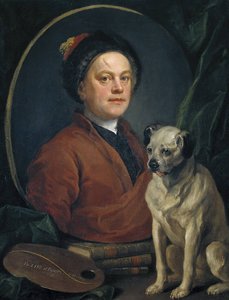
1697 - 1764 , Storbritannien

Explore the rich symbolism of the red dress in art history! From ancient power displays to iconic portraits like Cézanne’s 'Madame Cezanne', discover the cultural and artistic significance behind this captivating color. Expert analysis & insights.

Skab harmoniske rum med malerier, der taler til dine følelser! Få ekspertråd om kunsthistorie, farvepsykologi og personlig stil. Find inspiration & vælg det perfekte maleri hos os.

Explore the rich history of portrait painting with expert insights into Renaissance masterpieces & modern innovations. Discover artists, movements & commission a custom oil painting at Most-Famous-Paintings.
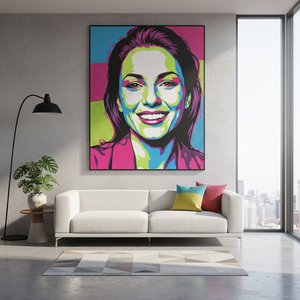
Omdanne dine yndlingsfotos til imponerende Pop Art-olieportrætter hos Most-Famous-Paintings.com! Håndmalet kvalitet, 100% tilfredshedsgaranti & personlig rådgivning. Skab et unikt arvestykke i dag!

Oplev John Singer Sargents 25 mest ikoniske malerier – fra elegante portrætter til impressionistiske mesterværker. Lær historierne bag kunsten & find inspiration til din indretning med Most-Famous-Paintings.com. Udforsk samlingen online!


Hold dig opdateret med de seneste kunstnyheder, eksklusive tilbud og indretningsideer.
Fortæl os om dit projekt, og vores kunsteksperter vil give dig 3 personlige kunstforslag.
Vi kuraterer 3 valgmuligheder kun til dig – Gratis!


 Se i fuld skala
 Del
Del Del
Del
 Detaljer

 Download
 Lignende værker
 Røntgenundersøgelse
 Diasshow
 Se mere







 Glasmulighed er kun tilgængelig i størrelser under 110 cm


