


x

Giclée- eller lærredstryk i museumskvalitet med hurtig produktion og fleksible muligheder for finish. ( Køb håndlavet maleri Køb billede)





























Vælg mellem vores forudindstillede størrelser, der matcher kunstværkets originale proportioner.

Du kan indtaste dine egne mål for at passe til en specifik ramme eller et bestemt område. Hvis den valgte størrelse ikke stemmer overens med det originale billedes proportioner, vil vi enten beskære kunstværket eller udvide billedet med en spejlet eller ensfarvet kant. En digital mockup vil blive sendt til din godkendelse, før produktionen påbegyndes.
Bemærk venligst, at forhåndsvisningen på skærmen ikke afspejler den faktiske beskæring eller udvidelse. Kun mockuppen vil nøjagtigt vise den endelige komposition.
Selvom specialmål er tilgængelige, anbefaler vi at vælge et mål fra den foruddefinerede liste for at bevare de originale proportioner.
Verdensomspændende levering () på 2 uger i stedet for de sædvanlige 4/5 uger. (21 august)


The Shrimp Girl
Størrelse på reproduktion
William Hogarth, a titan amongst English artists of the Enlightenment, didn't merely depict scenes; he dissected them. His canvases weren’t simply representations of reality but meticulously crafted commentaries on societal norms and human behavior—a legacy that continues to resonate today. “The Shrimp Girl,” painted around 1740-1745 during Hogarth’s prolific period, exemplifies this approach perfectly, offering a glimpse into the bustling marketplace of London and prompting contemplation about morality and social status.
The painting portrays a woman diligently selling shellfish—primarily shrimp and mussels—on the streets of Billingsgate Market. This wasn’t an idealized portrait; Hogarth deliberately chose this occupation for his subject, reflecting the realities faced by wives and daughters of fishmongers – individuals often relegated to precarious economic circumstances. The scene captures a slice of London life during a time when urban commerce was rapidly evolving, mirroring broader anxieties about social mobility and the pressures exerted upon women in Victorian society.
While Hogarth is celebrated for his unflinching realism—particularly evident in his meticulously detailed depictions of human anatomy and facial expressions— “The Shrimp Girl” reveals a surprising element of stylistic experimentation. Compared to his earlier prints, this painting possesses an almost impressionistic quality, characterized by looser brushstrokes and softer tonal gradations. This technique, reminiscent of artists like Fragonard, suggests Hogarth was actively engaging with emerging artistic trends, pushing beyond the conventions of Neoclassical art.
Beyond its immediate depiction of commerce, “The Shrimp Girl” is laden with symbolic significance. The woman’s posture—balancing a basket on her head—represents resilience and determination amidst hardship. The bird perched atop the dining table serves as a subtle allusion to aspiration and perhaps even divine providence – a reminder that despite societal limitations, individuals strive for something greater. Furthermore, the clock hanging prominently on the wall underscores the relentless march of time and implicitly critiques the moral failings of those who prioritize material gain over ethical conduct.
"The Shrimp Girl" isn't merely a beautiful image; it’s a powerful statement about Victorian society. Hogarth compels us to confront uncomfortable truths regarding social inequality and the pressures faced by women striving for independence. His masterful use of observation, combined with his satirical intent, cemented his place as one of England’s most influential artists—a legacy that continues to inspire discussion and interpretation centuries later. Like all of Hogarth's work, it stands as a testament to the artist's ability to transform visual representation into profound social commentary.

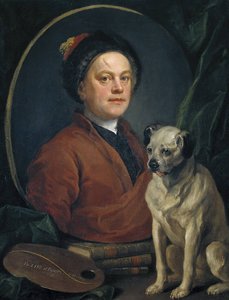
1697 - 1764 , Storbritannien

Journey through art history with an expert exploration of iconic portraits of young girls. From Mary Cassatt to Renoir, uncover the profound beauty of childhood in art. Discover museum-quality, hand-painted oil reproductions and bespoke commissions for the discerning collector.


Hold dig opdateret med de seneste kunstnyheder, eksklusive tilbud og indretningsideer.
Fortæl os om dit projekt, og vores kunsteksperter vil give dig 3 personlige kunstforslag.
Vi kuraterer 3 valgmuligheder kun til dig – Gratis!


 Se i fuld skala
 Del
Del Del
Del
 Detaljer

 Download
 Lignende værker
 Røntgenundersøgelse
 Diasshow

 Se mere







 Glasmulighed er kun tilgængelig i størrelser under 110 cm


