x

Håndmalet olie på lærred i din valgte størrelse og ramme, udført efter bestilling af vores kunstnere. ( Køb print Køb billede)





























Vælg mellem vores forudindstillede størrelser, der matcher kunstværkets originale proportioner.

Du kan indtaste dine egne mål for at passe til en bestemt ramme eller plads. Hvis den valgte størrelse ikke stemmer overens med det originale billedes proportioner, vil vi enten beskære kunstværket eller udvide maleriet med yderligere håndmalede elementer. En digital skitse sendes til din godkendelse, før produktionen påbegyndes.
Bemærk venligst, at forhåndsvisningen på skærmen ikke afspejler den faktiske beskæring eller udvidelse. Kun skitsen vil nøjagtigt vise den endelige komposition.
Selvom specialmål er mulige, anbefaler vi at vælge en dimension fra den foruddefinerede liste for at bevare de originale proportioner.
Levering i hele verden () på 3/4 uger i stedet for de standard 5 uger. (17 august). Ingen kompromiser med kvaliteten.


The Backrush
Størrelse på reproduktion
Winslow Homer’s “The Backrush,” completed in 1883, isn't merely a depiction of the Atlantic Ocean; it’s an embodiment of American spirit—a testament to perseverance amidst turbulent forces. Unlike many artists of his era preoccupied with grand narratives or idealized landscapes, Homer focused intently on capturing the raw immediacy of everyday life, specifically the relentless energy of coastal storms.
Executed entirely in watercolor, “The Backrush” exemplifies Homer’s unparalleled skill in manipulating this medium. Watercolor allows for subtle gradations of color and luminosity—qualities crucial to conveying the feeling of surging water and shifting light. Homer employed a layering technique, applying washes of pigment over subsequent layers to build up texture and depth. Notice how he captures the foam crests with delicate brushstrokes, creating an illusion of movement that draws the viewer’s eye into the heart of the storm.
Homer’s work emerged during the waning years of Romanticism—a movement characterized by its fascination with emotion and imagination. However, Homer tempered Romantic idealism with a grounding in observation. He meticulously documented scenes from rural America—fishermen battling waves, children playing on rocky shores—reflecting a broader trend toward realism within the artistic landscape. The painting speaks to anxieties about industrialization and urbanization, presenting nature as both formidable adversary and source of solace.
The crashing waves in “The Backrush” serve as potent symbols—representing not just meteorological phenomena but also the difficulties inherent in human existence. Yet, Homer doesn’t portray defeat; instead, he depicts resilience. The fishermen continue their struggle despite the overwhelming force of the storm, embodying a spirit of determination and fortitude. Furthermore, the birds circling overhead symbolize hope—a reminder that even amidst chaos, beauty persists.
"The Backrush" achieves what Romantic artists termed “the sublime”—a feeling of awe mingled with terror. Homer skillfully evokes this emotional response through his masterful use of color and texture. The dominant hues—deep blues and greens—reflect the ocean’s vastness and power, while the textured brushstrokes convey the physicality of the storm. Viewing this painting inspires contemplation on our relationship to nature and confronts us with the inescapable reality that life is often fraught with obstacles. It remains a powerfully evocative image, resonating with viewers across generations.

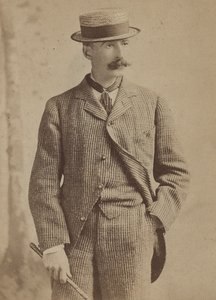
1836 - 1910 , USA

Explore the luminous world of American Impressionism. Discover the history of plein air painting, the mastery of artists like Robert Julian Onderdonk, and the enduring beauty of light-drenched landscapes through this expert art history guide.


Hold dig opdateret med de seneste kunstnyheder, eksklusive tilbud og indretningsideer.
Fortæl os om dit projekt, og vores kunsteksperter vil give dig 3 personlige kunstforslag.
Vi kuraterer 3 valgmuligheder kun til dig – Gratis!


 Se i fuld skala
 Del
Del Del
Del
 Detaljer

 Download
 Lignende værker
 Røntgenundersøgelse
 Diasshow
 Se mere







 Glasmulighed er kun tilgængelig i størrelser under 110 cm


![Indian Tobacco Shop Sign [reverse, Indian Facing Right] — Winslow Homer, Contemporary Realism](/media/artworks/images/thumbnails/64/50/64503c03f780433687607891aba35c23.jpg)