


x


 Preview
 Gemälde kaufen Bild kaufen
 Versenden
 Details anzeigen
 Zu Favoriten hinzufügen
 Herunterladen
 Ähnliche Objekte
 Röntgenaufnahme
 Diashow anzeigen
Giclée- oder Leinwanddruck in Museumsqualität mit schneller Produktion und flexiblen Veredelungsoptionen.





























Wählen Sie aus unseren vordefinierten Größen, die den ursprünglichen Proportionen des Kunstwerks entsprechen.

Sie können Ihre eigenen Maße eingeben, um ein bestimmtes Format oder einen speziellen Platz einzupassen. Wenn das von Ihnen gewählte Format nicht den Proportionen des Originalbildes entspricht, werden wir das Kunstwerk entweder beschneiden oder das Bild mit einem gespiegelten oder einfarbigen Rand erweitern. Ein digitaler Entwurf wird Ihnen zur Genehmigung zugesandt, bevor die Produktion beginnt.
Bitte beachten Sie, dass die Vorschau auf dem Bildschirm nicht den tatsächlichen Zuschnitt oder die Erweiterung widerspiegelt. Nur der Entwurf zeigt die endgültige Komposition präzise an.
Obwohl Sondermaße verfügbar sind, empfehlen wir die Auswahl eines Maßes aus der vordefinierten Liste, um die ursprünglichen Proportionen zu bewahren.
Weltweiter Versand () innerhalb von 2 Wochen statt der üblichen 4/5 Wochen. (27 Juli)


St. Jerome
Größe der Reproduktion
Annibale Carracci's "St. Jerome in the Wilderness," painted around 1597-1600, is not merely a depiction of a biblical figure; it’s a profound exploration of inner turmoil and divine grace rendered with the dynamism and emotional intensity that defined the burgeoning Baroque style. This oil on canvas, currently housed at The Metropolitan Museum of Art in New York, offers a glimpse into the artist's masterful command of color, composition, and psychological depth – qualities that cemented Carracci’s place as a pivotal figure in Italian art history.
The scene unfolds within a stark, almost desolate landscape, dominated by towering rock formations and a bruised, stormy sky. St. Jerome, clad in the simple, earth-toned robes of a hermit, is positioned centrally, his posture conveying both physical exhaustion and an unwavering resolve. His face, etched with lines of hardship and contemplation, bears witness to years of self-imposed penance – a three-year fast undertaken as atonement for past sins. The artist skillfully captures the weight of this struggle through subtle shifts in expression; a furrowed brow, a downward gaze, and the clenched fist gripping a stone, used repeatedly to beat his chest in a desperate attempt to quell overwhelming temptations. Yet, amidst this palpable suffering, there’s an undeniable sense of serenity, a quiet acceptance that speaks volumes about the saint's spiritual journey.
Carracci’s technique is characterized by a remarkable synthesis of influences – a careful balance between the linear precision of Florentine masters like Raphael and the atmospheric richness of Venetian painters such as Titian. The painting's palette is rich and vibrant, utilizing deep blues, ochres, and browns to create a sense of dramatic depth and volume. Notice how Carracci employs *chiaroscuro* – the masterful use of light and shadow – to sculpt Jerome’s form and draw the viewer’s eye directly to his face, emphasizing his inner struggle. The swirling clouds in the background contribute to a feeling of movement and turbulence, mirroring the tempest within the saint's soul.
Furthermore, Carracci breaks from the static compositions favored by earlier Renaissance artists, injecting a sense of dynamism into the scene. Jerome is not presented as an idealized figure; he’s a man wrestling with his demons, caught in a moment of intense emotional and spiritual confrontation. This departure from traditional iconography reflects the Baroque emphasis on realism and psychological truth – a shift away from purely decorative representations towards works that aimed to evoke powerful emotions and engage the viewer on a deeper level.
The painting is laden with symbolic meaning, reflecting the broader religious context of the Counter-Reformation. The desert landscape represents Jerome’s isolation and spiritual wilderness, while the stone he beats his chest upon symbolizes the relentless battle against temptation. The angels ascending above him are not merely celestial messengers; they represent divine grace and the promise of redemption. The red cardinal's robe, visible on Jerome’s shoulders, is a potent symbol of his eventual elevation to the highest rank in the Church – a testament to his unwavering faith and dedication.
Interestingly, the composition echoes elements found in earlier depictions of St. Jerome, particularly those by Hieronymus Bosch, suggesting a shared visual vocabulary rooted in medieval iconography. However, Carracci’s interpretation is markedly more personal and emotionally charged, reflecting the artist's own spiritual struggles and his desire to convey the profound experience of conversion.
"St. Jerome in the Wilderness" stands as a powerful example of Carracci’s artistic genius – a testament to his ability to fuse technical mastery with emotional depth and symbolic richness. It's a painting that invites contemplation, prompting viewers to consider not only the saint’s personal journey but also their own struggles with faith, temptation, and redemption. Reproductions of this work capture much of its original impact, offering a window into the heart of the Baroque era and the enduring power of human spirituality.


1560 - 1609 , Italien

Entdecken Sie die 25 bedeutendsten Meisterwerke von El Greco! Erleben Sie die spirituelle Tiefe und den dramatischen Stil des griechischen Malers. Hochwertige Kunstdrucke & Inspiration für Ihr Zuhause auf Most-Famous-Paintings.com.
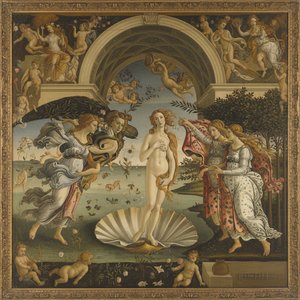
Entdecken Sie die 25 schönsten Meisterwerke von Sandro Botticelli! Erleben Sie die Renaissance-Kunst mit 'Geburt der Venus', 'Primavera' & mehr. Hochwertige Reproduktionen für Ihr Zuhause – jetzt auf Most-Famous-Paintings.com!
Entdecken Sie die 25 Meisterwerke der Alten Pinakothek München! Von Dürer bis Rembrandt – erleben Sie Kunstgeschichte hautnah. Hochwertige Kunstdrucke & Leinwandbilder für Ihr Zuhause bei Most-Famous-Paintings.com.
Entdecken Sie die 25 Meisterwerke von Jacopo Tintoretto! Tauchen Sie ein in die dramatische Welt der venezianischen Renaissance. Hochwertige Kunst-Reproduktionen & Inspiration für Ihr Zuhause – jetzt auf Most-Famous-Paintings.com.

Entdecken Sie Annibale Carracci und die Bologneser Schule! Erfahren Sie mehr über seine revolutionären Techniken, Meisterwerke wie die Galleria Farnese und seinen nachhaltigen Einfluss auf die Barockmalerei. Expertenwissen & hochwertige Reproduktionen.


Bleiben Sie über die neuesten Kunstnachrichten, exklusive Angebote und Dekorationsideen auf dem Laufenden.
Erzählen Sie uns von Ihrem Projekt und unsere Kunstexperten erstellen für Sie 3 personalisierte Kunstvorschläge.
Wir kuratieren 3 Optionen exklusiv für Sie – kostenlos!


 Teilen


 Weiterlesen







 Die Glasoption ist nur in Größen unter 110 cm verfügbar.


