


x


 Vorticism
 1932Modern
 65.0 x 75.0 cm
 Salford Museum - Kunstgalerie
Handgemaltes Ölgemälde auf Leinwand in Ihrer Wunschgröße und mit Rahmen, auf Bestellung von unseren Künstlern angefertigt. ( Switch to Print Switch to Image)





























Wählen Sie aus unseren vordefinierten Größen, die den ursprünglichen Proportionen des Kunstwerks entsprechen.

Sie können Ihre eigenen Maße eingeben, um einen bestimmten Rahmen oder Platz auszufüllen. Wenn die gewählte Größe nicht den Proportionen des Originalbildes entspricht, werden wir das Kunstwerk entweder beschneiden oder das Gemälde durch zusätzliche, handgemalte Elemente erweitern. Ein digitales Mockup wird Ihnen zur Genehmigung zugesandt, bevor die Produktion beginnt.
Bitte beachten Sie, dass die Bildschirmvorschau nicht die tatsächliche Beschneidung oder Erweiterung widerspiegelt. Nur das Mockup zeigt die endgültige Komposition exakt an.
Obwohl Sondermaße verfügbar sind, empfehlen wir, eine Größe aus der vordefinierten Liste zu wählen, um die ursprünglichen Proportionen beizubehalten.
Weltweiter Versand () in nur 3 bis 4 Wochen statt der üblichen 5 Wochen. (28 Juli). Keine Kompromisse bei der Qualität.


Storm Clouds
Größe der Reproduktion
In the evocative landscape of David Bomberg, nature is never merely a backdrop; it is a living, breathing protagonist. His 1932 masterpiece, Storm Clouds, invites the viewer into a realm where the terrestrial and the celestial collide in a breathtaking display of raw power and quietude. The painting captures a majestic mountain range, draped in lush greenery, rising with silent strength against an expansive sky. Scattered clouds drift across the firmament, acting as brushstrokes of light and shadow that lend a profound sense of depth and dimension to the composition. This is not just a depiction of scenery, but a window into the very soul of the earth, where every peak and valley tells a story of endurance and timeless beauty.
The technique employed in this work reflects Bomberg’s sophisticated command over form and atmosphere. Through a masterful application of color and texture, the artist achieves a remarkable balance between movement and stillness. The palette is carefully curated to evoke a sense of tranquility; soft greens and earthy tones ground the viewer in the physical reality of the mountains, while the shifting grays and whites of the clouds introduce a dynamic, ethereal quality. For the discerning collector or interior designer, this piece offers a unique opportunity to introduce a focal point that possesses both weight and lightness—a work that commands attention through its subtle complexities rather than through overt spectacle.
To understand Storm Clouds, one must consider the artistic lineage of David Bomberg. As a prominent figure among the 'Whitechapel Boys,' Bomberg’s journey was shaped by the radical energies of early 20th-century modernism, including the influences of Cubism and the structural lessons of Cézanne. Yet, in this particular work, we see a departure from the purely geometric toward a more organic, emotive expressionism. The painting serves as a testament to his ability to synthesize the structured lessons of his training with a deep, spiritual connection to the natural world. It captures a moment of atmospheric tension—the breath held before a storm—creating an emotional resonance that is both unsettling and deeply peaceful.
For those seeking to curate a space of reflection and inspiration, this reproduction offers more than mere decoration; it provides an atmosphere. The interplay of light through the clouds and the solid permanence of the mountains create a sanctuary of serenity within any room. Whether placed in a contemporary gallery-style living area or a classic study, Storm Clouds acts as a meditative anchor, reminding us of the sublime beauty that exists in the fleeting moments of our natural world. It is an investment in artistry that brings the enduring spirit of the landscape into the intimacy of the home.
Geboren als Sohn polnisch-jüdischer Einwanderer, Abraham und Rebecca Bomberg, in Birmingham. Die Familie zog 1895 nach Whitechapel, London.
Zunächst studierte er an der City and Guilds Technical Art School, bevor er sich als Lithograph in Birmingham ausbildete.
Er studierte unter Walter Sickert an der Westminster School of Art (1908-1910), wo er von Sickerts Fokus auf Form und Stadtleben beeinflusst wurde. Erlangte durch die Ausstellung "Manet und die Post-Impressionisten" im Jahr 1910 eine bedeutende Vertrautheit mit Paul Cézanne. Besuchte die Slade School of Art (1911) und gewann den Tonks Prize für seine Zeichnung seines Kommilitonen Isaac Rosenberg.
Die Erfahrungen als Soldat im Ersten Weltkrieg beeinflussten sein künstlerisches Schaffen tiefgreifend und führten zu einem Abschied vom Abstraktionismus.
In den 1920er Jahren übernahm Bomberg einen figurativeren Stil, der sich auf Porträts und Landschaften konzentrierte, die direkt aus der Natur entstanden. Entwickelte eine zunehmend expressionistische Technik, gekennzeichnet durch strukturierte Impastos und emotionale Intensität.
Umfangreiche Reisen durch den Nahen Osten (insbesondere Palästina) und Europa beeinflussten sein späteres Werk maßgeblich. Seine Darstellungen Jerusalems sind besonders bemerkenswert.

1890 - 1957 , Vereinigtes Königreich
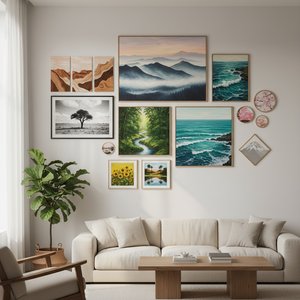
Entdecken Sie die 10 schönsten Landschaftsbilder der Kunstgeschichte! Von Monet bis Van Gogh – erfahren Sie die Geschichten hinter Meisterwerken & finden Sie Inspiration für Ihr Zuhause. Hochwertige Kunstdrucke auf Most-Famous-Paintings.com.
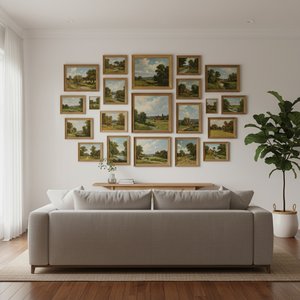
Entdecken Sie die 25 Meisterwerke von John Constable! Erleben Sie englische Landschaftsmalerei vom Hay Wain bis zur Stour Valley. Hochwertige Reproduktionen & Kunst für Ihr Zuhause auf Most-Famous-Paintings.com.

Entdecken Sie die 10 Meisterwerke der Romantischen Landschaftsmalerei! Von Caspar David Friedrich bis Turner – erleben Sie die Kunst, Emotion & Natur. Hochwertige Reproduktionen auf Most-Famous-Paintings.com

Explore the rich history of landscape art with Most-Famous-Paintings. Discover renowned artists, movements like Impressionism & Romanticism, and expert guidance for collecting timeless pieces. Find your perfect serene escape today!
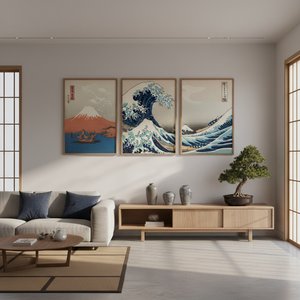
Entdecken Sie die 25 Meisterwerke von Katsushika Hokusai! Tauchen Sie ein in die Welt des Ukiyo-e, berühmte Holzschnitte wie 'Die große Welle' & Fuji-Ansichten. Hochwertige Kunstdrucke für Ihr Zuhause – jetzt auf Most-Famous-Paintings.com!


Bleiben Sie über die neuesten Kunstnachrichten, exklusive Angebote und Dekorationsideen auf dem Laufenden.
Erzählen Sie uns von Ihrem Projekt und unsere Kunstexperten erstellen für Sie 3 personalisierte Kunstvorschläge.
Wir kuratieren 3 Optionen exklusiv für Sie – kostenlos!


 Preview
 Versenden
 Teilen
 Details anzeigen

 Herunterladen
 Ähnliche Objekte
 Röntgenaufnahme
 Diashow anzeigen
 Weiterlesen







 Die Glasoption ist nur in Größen unter 110 cm verfügbar.


