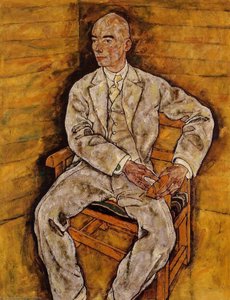
x


Handgemaltes Ölgemälde auf Leinwand in Ihrer Wunschgröße und mit Rahmen, auf Bestellung von unseren Künstlern angefertigt. ( Zum Druck bestellen Zum Bild wechseln)





























Wählen Sie aus unseren vordefinierten Formaten, die den ursprünglichen Proportionen des Kunstwerks entsprechen.

Sie können Ihre eigenen Maße eingeben, um einen bestimmten Rahmen oder Platz auszufüllen. Wenn die gewählte Größe nicht den Proportionen des Originalbildes entspricht, werden wir das Kunstwerk entweder beschneiden oder das Gemälde durch zusätzliche, handgemalte Elemente erweitern. Ein digitales Mockup wird Ihnen zur Genehmigung zugesandt, bevor die Produktion beginnt.
Bitte beachten Sie, dass die Bildschirmvorschau nicht die tatsächliche Beschneidung oder Erweiterung widerspiegelt. Nur das Mockup zeigt die endgültige Komposition exakt an.
Obwohl Sondermaße verfügbar sind, empfehlen wir, eine Größe aus der vordefinierten Liste zu wählen, um die ursprünglichen Proportionen beizubehalten.
Weltweiter Versand () in nur 3 bis 4 Wochen statt der üblichen 5 Wochen. (2 August). Keine Kompromisse bei der Qualität.


Double Self Portrait
Format der Reproduktion
Egon Schiele’s “Double Self Portrait,” painted in 1915 during a tumultuous period of his life, is not merely a depiction of two men; it's a raw, unsettling exploration of identity, vulnerability, and the fraught relationship between self and other. Created amidst the burgeoning Expressionist movement in Vienna, this watercolor on paper offers a glimpse into the artist’s intensely personal world – a world grappling with mortality, sexuality, and the psychological complexities of the early 20th century.
The image immediately confronts the viewer with an arresting intimacy: one man leans forward, his face pressed against the other in a gesture both tender and profoundly unsettling. This physical closeness, coupled with the direct gaze of the figure dominating the composition, establishes an immediate connection – yet simultaneously hints at a disturbing undercurrent. The positioning, with the second figure inverted and seemingly lost in contemplation, creates a sense of disorientation and imbalance, mirroring perhaps Schiele’s own internal struggles.
Schiele's masterful use of watercolor is central to the painting’s impact. He employs loose, gestural brushstrokes, layering washes of color with an almost frantic energy. The palette is dominated by earthy tones – ochres, browns, and muted greens – punctuated by flashes of crimson and violet, contributing to a mood of both melancholy and suppressed passion. Lines are not clean or precise; instead, they’re jagged, angular, and often distorted, reflecting the emotional turbulence at play. This deliberate disregard for traditional perspective and realistic representation is characteristic of Expressionism, prioritizing the conveyance of feeling over objective depiction.
The composition itself is deliberately unbalanced. The larger figure commands attention, yet the smaller, inverted one feels almost secondary, trapped within its own internal world. Schiele’s signature elongated limbs and subtly exaggerated features – particularly in the face of the dominant male – contribute to a sense of unease and psychological intensity. Notice how the lines converge towards the central figures, drawing the viewer's eye into their shared space, while simultaneously creating a feeling of claustrophobia.
To understand “Double Self Portrait,” it’s crucial to consider the context in which it was created. 1915 marked a period of immense upheaval for Europe, shadowed by the looming threat of World War I. Schiele's own life was fraught with personal tragedy and emotional turmoil. His father had succumbed to syphilis years earlier, leaving a legacy of illness and instability within his family. This early loss profoundly shaped Schiele’s artistic vision, fueling an obsession with themes of death, decay, and the fragility of human existence – motifs powerfully evident in this work.
The painting can be interpreted as a meditation on duality—the artist's struggle to reconcile his own desires and vulnerabilities with societal expectations. The inverted figure could represent the suppressed or marginalized aspects of Schiele’s personality, while the dominant presence embodies a striving for control and recognition. Schiele was known for his intensely personal self-portraits, often exploring themes of sexuality and mortality with unflinching honesty – qualities that made him both celebrated and controversial during his lifetime.
Beyond its formal elements, “Double Self Portrait” is rich in symbolic meaning. The embrace itself can be read as a gesture of intimacy and support, yet it’s also tinged with an underlying sense of vulnerability and dependence. The act of facing the viewer directly suggests a desire for connection, but the unsettling positioning of the second figure hints at a deeper psychological complexity. The painting's overall effect is one of profound emotional resonance – a haunting portrayal of human longing, anxiety, and the enduring struggle to understand oneself.
Most-Famous-Paintings offers meticulously crafted hand-painted reproductions of “Double Self Portrait,” allowing you to experience Schiele’s masterful technique and evocative imagery in stunning detail. Each reproduction is created by skilled artists using archival quality materials, ensuring that this powerful work of art will be treasured for generations to come.

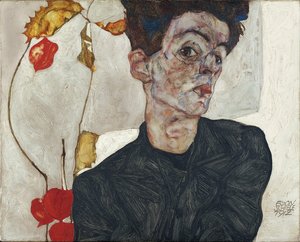
1890 - 1918 , kroatien

Entdecken Sie Jackson Pollocks revolutionäres Werk und das Erbe des Abstrakten Expressionismus. Expertenanalyse, Hintergrundinformationen & Investitionstipps für Kunstsammler.
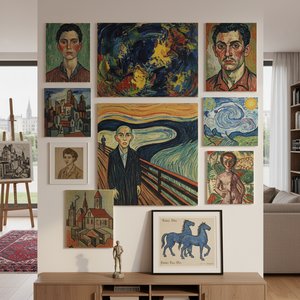
Entdecken Sie die 10 prägendsten Meisterwerke des Expressionismus! Von Munch bis Kandinsky – erfahren Sie die Geschichten hinter den berühmtesten Gemälde und Künstler. Hochwertige Kunstdrucke online bei kaufen & Ihr Zuhause mit Emotionen füllen.
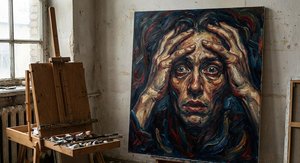
Explore the powerful world of Figurative Expressionism with Most-Famous-Paintings. Discover key artists like Kirchner & Beckmann, understand its emotional depth, and learn how to collect this influential 20th-century art movement.

Entdecken Sie Lovis Corinths faszinierende künstlerische Entwicklung! Von Realismus über Impressionismus bis Expressionismus – eine detaillierte Analyse seiner Werke, seines Einflusses und der Berliner Secession. Jetzt lesen!

Explore the captivating world of introspective art! Discover how artists across eras – from Rembrandt to Kahlo – used self-portraiture to reveal their inner worlds and emotional depths. A journey through art history & psychology.


Bleiben Sie über die neuesten Kunstnachrichten, exklusive Angebote und Dekorationsideen auf dem Laufenden.
Erzählen Sie uns von Ihrem Projekt, und unsere Kunstexperten erstellen für Sie drei personalisierte Kunstvorschläge.
Wir kuratieren 3 Optionen exklusiv für Sie – kostenlos!


 In echtem Maßstab anzeigen
 Versenden
 Teilen
 Details anzeigen

 Herunterladen
 Ähnliche Objekte
 Röntgenaufnahme
 Diashow starten

 Mehr anzeigen







 Die Glasoption ist nur in Größen unter 110 cm verfügbar.