x


 Gemälde kaufen Bild kaufen
 Versenden
 Details anzeigen
 Zu Favoriten hinzufügen
 Herunterladen
 Ähnliche Objekte
 Röntgenaufnahme
 Diashow anzeigen
 Acryl auf LeinwandWandkunstExpressionist Eroticism
 1915
1915 317.0 x 496.0 cm
 Leopold-Museum Wien
Giclée- oder Leinwanddruck in Museumsqualität mit schneller Produktion und flexiblen Veredelungsoptionen.





























Wählen Sie aus unseren vordefinierten Größen, die den ursprünglichen Proportionen des Kunstwerks entsprechen.

Sie können Ihre eigenen Maße eingeben, um ein bestimmtes Format oder einen speziellen Platz einzupassen. Wenn das von Ihnen gewählte Format nicht den Proportionen des Originalbildes entspricht, werden wir das Kunstwerk entweder beschneiden oder das Bild mit einem gespiegelten oder einfarbigen Rand erweitern. Ein digitaler Entwurf wird Ihnen zur Genehmigung zugesandt, bevor die Produktion beginnt.
Bitte beachten Sie, dass die Vorschau auf dem Bildschirm nicht den tatsächlichen Zuschnitt oder die Erweiterung widerspiegelt. Nur der Entwurf zeigt die endgültige Komposition präzise an.
Obwohl Sondermaße verfügbar sind, empfehlen wir die Auswahl eines Maßes aus der vordefinierten Liste, um die ursprünglichen Proportionen zu bewahren.
Weltweiter Versand () innerhalb von 2 Wochen statt der üblichen 4/5 Wochen. (22 Juli)


Liebeshandlung
Größe der Reproduktion
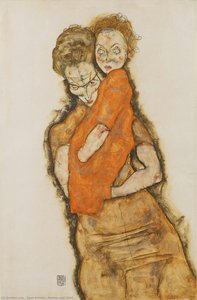
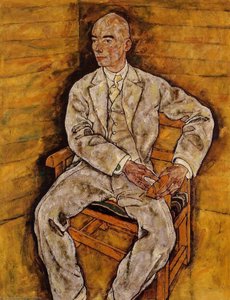
Egon Schiele’s “Liebelei” – a deceptively simple title for an intensely charged and profoundly unsettling work – emerged in 1915, a year of immense upheaval and personal torment for the artist. This painting isn't merely a depiction of physical intimacy; it is a raw, almost brutal exploration of vulnerability, desire, and the precariousness of human connection, rendered with Schiele’s signature angularity and unsettling psychological depth. The image captures two figures locked in a passionate embrace, their bodies intertwined with an urgency that borders on desperation. The stark contrast between the youthful vitality of the lovers and the shadowed presence of the three observing figures immediately establishes a sense of unease, hinting at the potential for disruption and the fragility of this intensely private moment.
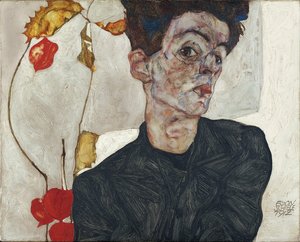
Born in 1890 in Tulln an der Donau, Austria – a region steeped in both artistic tradition and personal sorrow – Schiele’s life was tragically cut short during the First World War at just twenty-eight. His early years were marked by profound loss; his father succumbed to syphilis when Egon was only fourteen, a devastating event that cast a long shadow over his entire oeuvre. This experience, coupled with the premature death of his sister Elvira, fueled an underlying preoccupation with mortality and the ephemeral nature of existence – themes powerfully evident in “Liebelei.” Schiele’s artistic development was shaped by this constant awareness of loss, leading him to explore subjects often considered taboo or unsettling: illness, sexuality, and the grotesque. His work is characterized by a directness and honesty that can be both captivating and deeply disturbing.
Technically, “Liebelei” exemplifies Schiele’s distinctive style – a potent blend of Expressionism and Symbolism. He employed a rapid, almost frantic technique, utilizing short, broken lines to convey movement and emotion. The figures are rendered with an unsettling lack of detail, their forms reduced to essential shapes that emphasize their vulnerability. Schiele masterfully manipulates light and shadow, creating a dramatic chiaroscuro effect that intensifies the emotional impact of the scene. Notice how the strong diagonals of the bodies intersect, drawing the viewer’s eye directly into the heart of the embrace. The background figures are deliberately blurred and indistinct, serving not as observers but as silent witnesses to this intensely private drama – almost like ghosts haunting a fleeting moment.
Beyond its immediate depiction of physical love, “Liebelei” is laden with symbolic meaning. The three observing figures can be interpreted as representing societal judgment, the anxieties surrounding sexuality, or perhaps even the artist’s own self-doubt and isolation. The act of lovemaking itself becomes a site of vulnerability and exposure, highlighting the inherent risks involved in opening oneself to another person. Schiele doesn't offer a romanticized vision of intimacy; instead, he presents a raw, unflinching portrayal of human desire – both its beauty and its potential for pain. The painting’s unsettling atmosphere invites viewers to contemplate not just the act of love, but also the deeper questions about identity, mortality, and the complexities of the human psyche. It is a work that lingers in the mind long after viewing, prompting reflection on the darker aspects of our shared experience.
Most-Famous-Paintings offers meticulously crafted hand-painted reproductions of “Liebelei,” allowing you to bring this powerful and evocative masterpiece into your home or office. Each reproduction captures the essence of Schiele’s artistic vision with exceptional detail and fidelity, ensuring that you own a truly authentic representation of this iconic work.

1890 - 1918 , kroatien
Entdecken Sie die 25 bedeutendsten Gemälde von Egon Schiele! Tauchen Sie ein in die Welt des Expressionismus, erfahren Sie mehr über seine Technik und emotionale Tiefe. Hochwertige Kunstdrucke & Leinwandbilder auf Most-Famous-Paintings.com.

Entdecken Sie die tiefgründige Welt von Egon Schiele! Unsere umfassende Analyse beleuchtet seinen expressiven Stil, die Darstellung von Angst und seinen Einfluss auf die Moderne. Jetzt lesen!
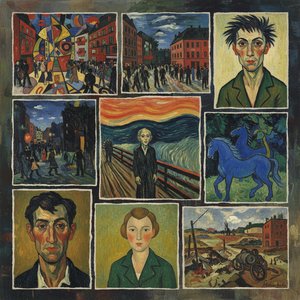
Entdecken Sie die 10 prägendsten Meisterwerke des Expressionismus! Von Munchs Schrei bis Kandinskys Abstraktionen – erfahren Sie die Geschichten berühmter Maler und ihre emotionale Farbgebung. Kunstreproduktionen in Museumsqualiät auf Most-Famous-Paintings.com.
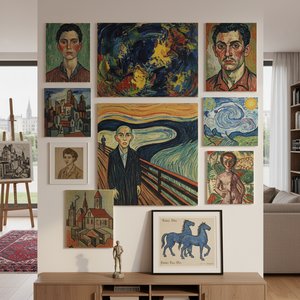
Entdecken Sie die 10 prägendsten Meisterwerke des Expressionismus! Von Munch bis Kandinsky – erfahren Sie die Geschichten hinter den berühmtesten Gemälde und Künstler. Hochwertige Kunstdrucke online bei kaufen & Ihr Zuhause mit Emotionen füllen.
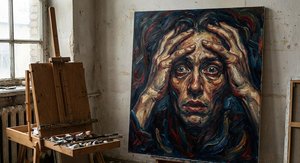
Explore the powerful world of Figurative Expressionism with Most-Famous-Paintings. Discover key artists like Kirchner & Beckmann, understand its emotional depth, and learn how to collect this influential 20th-century art movement.


Bleiben Sie über die neuesten Kunstnachrichten, exklusive Angebote und Dekorationsideen auf dem Laufenden.
Erzählen Sie uns von Ihrem Projekt und unsere Kunstexperten erstellen für Sie 3 personalisierte Kunstvorschläge.
Wir kuratieren 3 Optionen exklusiv für Sie – kostenlos!


 Teilen

 Weiterlesen







 Die Glasoption ist nur in Größen unter 110 cm verfügbar.