x

Giclée- oder Leinwanddruck in Museumsqualität mit schneller Produktion und flexiblen Veredelungsoptionen. ( Zur handgemalten Reproduktion wechseln Zum Bild wechseln)





























Wählen Sie aus unseren vordefinierten Formaten, die den ursprünglichen Proportionen des Kunstwerks entsprechen.

Sie können Ihre eigenen Maße eingeben, um ein bestimmtes Format oder einen speziellen Platz einzupassen. Wenn das von Ihnen gewählte Format nicht den Proportionen des Originalbildes entspricht, werden wir das Kunstwerk entweder beschneiden oder das Bild mit einem gespiegelten oder einfarbigen Rand erweitern. Ein digitaler Entwurf wird Ihnen zur Genehmigung zugesandt, bevor die Produktion beginnt.
Bitte beachten Sie, dass die Vorschau auf dem Bildschirm nicht den tatsächlichen Zuschnitt oder die Erweiterung widerspiegelt. Nur der Entwurf zeigt die endgültige Komposition präzise an.
Obwohl Sondermaße verfügbar sind, empfehlen wir die Auswahl eines Maßes aus der vordefinierten Liste, um die ursprünglichen Proportionen zu bewahren.
Weltweiter Versand () innerhalb von 2 Wochen statt der üblichen 4/5 Wochen. (11 August)


Sonnenblume I
Format der Reproduktion
Egon Schiele’s “Sunflower I,” painted in 1908, is more than just a still life; it's a poignant meditation on existence itself. Created during a period of intense personal turmoil for the artist – marked by illness, loss, and a growing preoccupation with mortality – this work reveals a profound sensitivity to the ephemeral beauty of nature and the human condition. The painting, now housed in the Niedersächsisches Landesmuseum Hannover, offers a glimpse into Schiele’s unique brand of Expressionism, where seemingly simple subjects are imbued with layers of psychological depth.
Schiele’s artistic journey was defined by an unflinching exploration of human emotions, often expressed through a raw and unsettling honesty. He didn’t shy away from depicting the darker aspects of life – illness, death, and loneliness – yet simultaneously sought to capture moments of intense beauty and vulnerability. “Sunflower I” exemplifies this duality perfectly. The artist masterfully blends meticulous observation with deeply felt emotion, transforming a commonplace subject—a sunflower—into a powerful symbol of both fleeting joy and inevitable decay. The composition is remarkably intimate; it feels as though we are peering directly into the heart of the flower, experiencing its vitality alongside its inherent fragility.
The painting’s structure is deceptively simple. A close-up view focuses intensely on a single sunflower, its vibrant yellow petals dominating the central space. Surrounding it are smaller wildflowers, scattered like jewels amongst the green leaves – a subtle reminder of the interconnectedness of life and nature. The background, rendered in a clear, evocative blue sky, provides a striking contrast to the warm tones of the sunflowers, further emphasizing their brilliance. The sunflower itself carries significant symbolic weight; traditionally associated with warmth, happiness, and longevity, it here represents more than just botanical beauty. For Schiele, it became a visual metaphor for the transient nature of life, a poignant reminder of its preciousness and vulnerability. The artist’s deliberate choice to isolate this single flower speaks volumes about his interest in capturing a moment of intense feeling within an otherwise ordinary scene.
Schiele's technique in “Sunflower I” is immediately striking. He employs thick, expressive brushstrokes – a hallmark of his style – that create a palpable sense of texture and movement. The paint seems to pulsate with life, conveying the energy and vibrancy of the flower itself. This approach was undoubtedly influenced by the Fauvist movement, which championed bold colors and dynamic brushwork as a means of expressing subjective experience. However, Schiele transcends mere imitation; he infuses his work with a deeply personal intensity that sets it apart. The use of oil on panel allows for rich color saturation and layering, contributing to the painting’s overall dramatic effect. The slightly rough surface of the paint further enhances the feeling of immediacy and raw emotion.
“Sunflower I” is a testament to Egon Schiele's ability to transform the mundane into the profound. It’s not simply a depiction of a flower; it’s an exploration of life, death, and the enduring power of beauty amidst fragility. This captivating artwork invites viewers to contemplate their own relationship with nature, mortality, and the fleeting moments that make up our existence. A reproduction of “Sunflower I” offers a beautiful way to bring this powerful image into your home, serving as a constant reminder of life’s delicate balance and the importance of appreciating its transient beauty.

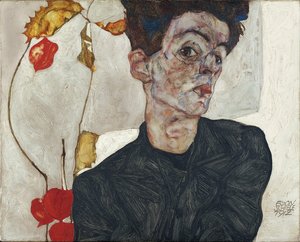
1890 - 1918 , kroatien

Explore the profound history and technical brilliance of oil on panel painting. From Renaissance masters to modern techniques, discover why this rigid support offers unparalleled precision and permanence for fine art lovers and collectors.


Bleiben Sie über die neuesten Kunstnachrichten, exklusive Angebote und Dekorationsideen auf dem Laufenden.
Erzählen Sie uns von Ihrem Projekt, und unsere Kunstexperten erstellen für Sie drei personalisierte Kunstvorschläge.
Wir kuratieren 3 Optionen exklusiv für Sie – kostenlos!


 Vorschau anzeigen
 Versenden
 Teilen
 Details anzeigen

 Herunterladen
 Ähnliche Objekte
 Röntgenaufnahme
 Diashow


 Weiterlesen







 Die Glasoption ist nur für Größen unter 110 cm verfügbar.