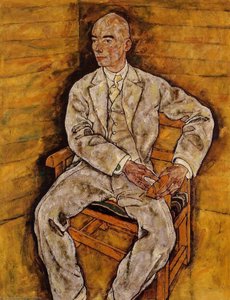
x

Handgemaltes Ölgemälde auf Leinwand in Ihrer Wunschgröße und mit Rahmen, auf Bestellung von unseren Künstlern angefertigt. ( Zum Druck wechseln Zum Bild wechseln)





























Wählen Sie aus unseren vordefinierten Formaten, die den ursprünglichen Proportionen des Kunstwerks entsprechen.

Sie können Ihre eigenen Maße eingeben, um einen bestimmten Rahmen oder Platz auszufüllen. Wenn die gewählte Größe nicht den Proportionen des Originalbildes entspricht, werden wir das Kunstwerk entweder beschneiden oder das Gemälde durch zusätzliche, handgemalte Elemente erweitern. Ein digitales Mockup wird Ihnen zur Genehmigung zugesandt, bevor die Produktion beginnt.
Bitte beachten Sie, dass die Bildschirmvorschau nicht die tatsächliche Beschneidung oder Erweiterung widerspiegelt. Nur das Mockup zeigt die endgültige Komposition exakt an.
Obwohl Sondermaße verfügbar sind, empfehlen wir, eine Größe aus der vordefinierten Liste zu wählen, um die ursprünglichen Proportionen beizubehalten.
Weltweiter Versand () in nur 3 bis 4 Wochen statt der üblichen 5 Wochen. (11 August). Keine Kompromisse bei der Qualität.


untitled (5265)
Format der Reproduktion
Egon Schiele's "Untitled (5265)," a stark black and white depiction of a provincial town scene, isn’t merely a snapshot; it’s a meticulously crafted distillation of the artist’s deeply felt anxieties about mortality, isolation, and the precariousness of human existence. Painted during a turbulent period in his life – just before his untimely death in 1918 – this work embodies the core tenets of Expressionism, prioritizing emotional intensity over realistic representation. The photograph itself presents a somewhat faded, almost vintage quality, reminiscent of an early 20th-century illustration or perhaps a forgotten newsprint image, lending it an immediate sense of historical weight and quiet melancholy.
The composition is deceptively simple: a cluster of buildings – houses, shops, and possibly a small public space – populate the foreground. Scattered throughout this urban landscape are figures: individuals going about their daily routines, some standing in contemplation, others engaged in seemingly mundane activities like walking or perhaps waiting. Two automobiles, symbols of modernity and progress, punctuate the scene, adding an element of tension to the otherwise static tableau. A fire hydrant, a small detail that nonetheless grounds the image in a recognizable reality, subtly anchors the scene while simultaneously hinting at vulnerability – a potential source of disruption within this carefully constructed composition.
To fully appreciate “Untitled (5265),” it's crucial to understand the context of Egon Schiele’s life. Born in Tulln an der Donau, Austria, in 1890, his early years were marked by profound loss and instability. His father, a railway station master, succumbed to syphilis when Schiele was just fourteen – a tragedy that irrevocably shaped the artist's worldview and fueled a lifelong preoccupation with themes of death, decay, and the fragility of human life. Raised primarily by his mother and then under the watchful eye of his uncle, Schiele’s childhood lacked conventional stability, fostering within him an independent spirit tempered by a deep-seated sense of loneliness and vulnerability. The early loss of his sister Elvira further compounded these emotional wounds, contributing to the pervasive atmosphere of melancholy that permeates much of his work.
This biographical backdrop is powerfully reflected in “Untitled (5265).” The figures within the painting seem lost and disconnected, their faces largely obscured, suggesting a profound sense of isolation. The muted tones and lack of vibrant color contribute to this feeling of detachment, creating an atmosphere of quiet desperation. The artist’s own struggles with mental health and his self-destructive tendencies are subtly woven into the fabric of the image, making it a poignant reflection of his internal turmoil.
Schiele's masterful use of line is immediately apparent in “Untitled (5265).” The figures are rendered with bold, angular strokes that convey both movement and a sense of unease. His lines aren’t meant to depict reality faithfully; instead, they serve as conduits for emotional expression, capturing the artist’s subjective experience of the world. The flattened perspective and simplified forms further emphasize this expressive intent, pushing the image beyond mere representation and into the realm of psychological portraiture.
The inclusion of the cars is particularly significant. While representing modernity, they also subtly introduce a sense of alienation – individuals trapped within their own private worlds, disconnected from one another. The fire hydrant, a commonplace object, becomes a symbol of potential disruption, hinting at the fragility of order and the ever-present threat of chaos. The overall composition feels deliberately unbalanced, mirroring the emotional instability that characterized Schiele’s life and work.
Most-Famous-Paintings offers meticulously crafted hand-painted reproductions of “Untitled (5265),” allowing art lovers to experience the raw emotion and psychological depth of this iconic image. Each reproduction is created by skilled artists who painstakingly recreate Schiele’s distinctive style, capturing the nuances of his line work and the evocative atmosphere of the original painting. Whether displayed in a contemporary interior or as part of a classic collection, this artwork offers a powerful glimpse into the mind of one of the 20th century's most tormented yet brilliant artists – a testament to Schiele’s enduring legacy and his profound exploration of the human condition.

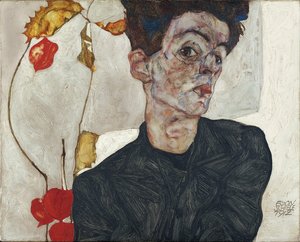
1890 - 1918 , kroatien

Explore the captivating world of monochrome art! Discover its rich history, influential artists like Malevich & Klein, and profound emotional impact. Expert insights for collectors & design enthusiasts.
Entdecken Sie die faszinierende Welt monochromer Innenräume! Expertenwissen zu Farbpsychologie, Lichtgestaltung & Materialwahl für elegante, zeitlose Designs. Inspiration & Fallstudien.

Explore the rich history & artistic power of black and white photography. From early techniques to iconic masters like Ansel Adams, discover why monochrome continues to captivate art lovers today. Expert insights for collectors.

Verwandeln Sie Ihre Fotos in zeitlose Kunst! Most-Famous-Paintings kreiert hochwertige Schwarzweiß-Reproduktionen & personalisierte Gemälde im klassischen Stil – Ihr individuelles Vermächtnis für die Ewigkeit. Entdecken Sie jetzt!

Entdecken Sie das Werk von Ernst Ludwig Kirchner und die revolutionäre Kunst des Expressionismus! Analysieren Sie urbane Ängste, die 'Brücke' und Kirchners einzigartigen Stil. Expertenwissen & tiefe Einblicke.


Bleiben Sie über die neuesten Kunstnachrichten, exklusive Angebote und Dekorationsideen auf dem Laufenden.
Erzählen Sie uns von Ihrem Projekt, und unsere Kunstexperten erstellen für Sie drei personalisierte Kunstvorschläge.
Wir kuratieren 3 Optionen exklusiv für Sie – kostenlos!


 Vorschau anzeigen
 Versenden
 Teilen
 Details anzeigen

 Herunterladen
 Ähnliche Objekte
 Röntgenaufnahme
 Diashow
 Weiterlesen







 Die Glasoption ist nur für Größen unter 110 cm verfügbar.