Wunschliste Warenkorb Cart
PreviewPreview Druck bestellen Druck bestellenBild kaufen Bild kaufen VersendenVersenden
Details anzeigenDetails anzeigen Zu Favoriten hinzufügen Zu Favoriten hinzufügen HerunterladenHerunterladen Ähnliche ObjekteÄhnliche Objekte RöntgenaufnahmeRöntgenaufnahme Diashow anzeigenDiashow anzeigen

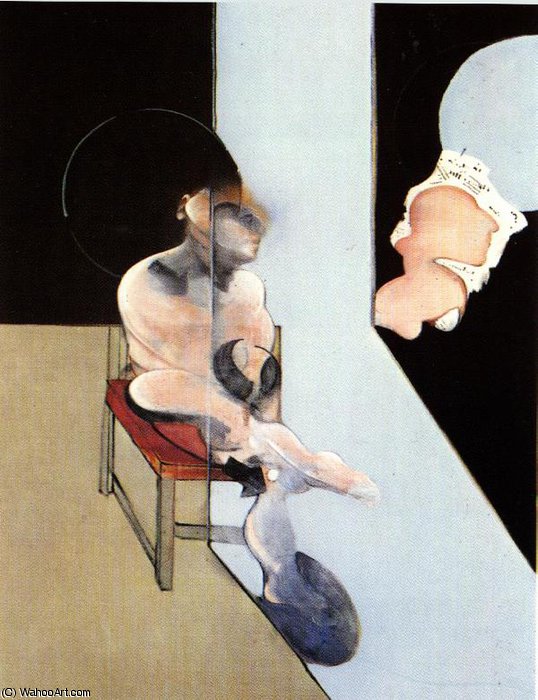
Study for Portrait,

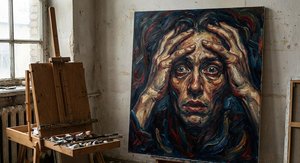
Explore Francis Bacon’s unsettling Study for Portrait – a visceral depiction of human vulnerability captured in his signature Brutalist style. This iconic piece embodies the artist's exploration of psychological torment and isolation during the 1980s, inviting you to immerse yourself in its haunting beauty.

Erkunden Sie die intensiven und emotional aufgeladenen figurative Gemälde von Francis Bacon (1909-1992). Bekannt für seine verzerrten Formen, isolierten Figuren und Themen der Existenzphilosophie bleibt Bacon ein Eckpfeiler der modernen Kunst. Entdecken Sie Schlüsselwerke und sein Erbe.

Handgefertigte Öl-Reproduktion

Handgemaltes Ölgemälde auf Leinwand in Ihrer Wunschgröße und mit Rahmen, auf Bestellung von unseren Künstlern angefertigt.


P118B $10
P118H $10
P118W $10
P438Z $10
P508JH $12
P508YH $12
P805H $10
P805Z $10
P919BZ $10
P919G $10
P919XJ $10
P959ZH $10
P968JZ $12
W106C $8
W218G $10
W218JH $8
W218Y $10
W307PJ $10
W316G $10
W316PJ $8
W316Y $10
W398PJ $8
W4111J $10
W500HY $15
W500JH $15
W692G $12
W849H $8
W940BG $15
W953PJ $8

Standard
custom
CM
INCH

Wählen Sie aus unseren vordefinierten Größen, die den ursprünglichen Proportionen des Kunstwerks entsprechen.

Breite
Höhe

Sie können Ihre eigenen Maße eingeben, um einen bestimmten Rahmen oder Platz auszufüllen. Wenn die gewählte Größe nicht den Proportionen des Originalbildes entspricht, werden wir das Kunstwerk entweder beschneiden oder das Gemälde durch zusätzliche, handgemalte Elemente erweitern. Ein digitales Mockup wird Ihnen zur Genehmigung zugesandt, bevor die Produktion beginnt.
Bitte beachten Sie, dass die Bildschirmvorschau nicht die tatsächliche Beschneidung oder Erweiterung widerspiegelt. Nur das Mockup zeigt die endgültige Komposition exakt an.
Obwohl Sondermaße verfügbar sind, empfehlen wir, eine Größe aus der vordefinierten Liste zu wählen, um die ursprünglichen Proportionen beizubehalten.

Beispiele für Anpassungsmöglichkeiten: Gesicht durch Kundenfoto ersetzen; Haustier hinzufügen (z. B. Katze durch Hund ersetzen); eine versteckte Nachricht im Hintergrund einfügen; Hintergrundlandschaft oder -elemente ändern.
Nach der Bestellung wird das Most-Famous-Paintings.com-Team dem Kunden Anweisungen per E-Mail zusenden und eine Mockup-Vorschau bereitstellen.

Weltweiter Versand () in nur 3 bis 4 Wochen statt der üblichen 5 Wochen. (26 Juli). Keine Kompromisse bei der Qualität.

why_choose_icon
Kostenloser weltweiter Expressversand
why_choose_icon
Hochwertige Leinenleinwand
why_choose_icon
Umfassender Versicherungsschutz beim Versand
why_choose_icon
Zollsteuer-Rückerstattungsgarantie
why_choose_icon
Garantie für echte Farbtreue
why_choose_icon
60-Tage-Rückgaberecht (nur bei Mängeln)
why_choose_icon
100% Geld-zurück-Garantie
why_choose_icon
Mengenrabatt verfügbar

Gesamtpreis

-

reproduction

Study for Portrait,

Art der Reproduktion

Größe der Reproduktion

-

Endpreis aller Optionen

-

Eckdaten auf einen Blick

  • Artistic style: Raw emotion; Surrealist influences
  • Artist: Francis Bacon
  • Notable elements or techniques: Masked figure; Distorted anatomy
  • Subject or theme: Human vulnerability
  • Year: 1981
  • Medium: Oil paint
  • Title: Study for Portrait

Beschreibung des Kunstwerks

A Study for Portrait – Decoding Bacon’s Visceral Vision

The painting, titled “Study for Portrait,” presents a haunting tableau of human vulnerability and psychological torment. Captured in 1981 by Francis Bacon, it exemplifies the artist's signature style—a brutal distillation of emotion rendered with unsettling precision. The image depicts a solitary figure seated on a chair, his back turned away from the viewer, creating an immediate sense of isolation and concealment. Stripped bare both physically and emotionally, he wears a black mask that obscures his face, symbolizing repression and perhaps concealing inner turmoil.
  • Subject Matter: The central figure embodies existential angst—a man confronting mortality and grappling with profound psychological distress.
  • Style: Bacon’s work is characterized by its expressive distortion of form, mirroring the artist's preoccupation with trauma and anxiety. It aligns closely with his broader exploration of human suffering, drawing inspiration from Surrealist influences but forging a path distinctly his own.

Technique – Brutal Realism and Layered Texture

Bacon’s technique is relentlessly uncompromising. He employs oil paint on canvas, applying it in thick impasto—a sculptural layering of pigment that generates palpable texture. This method isn't merely decorative; it actively conveys the artist’s emotional state. The surface is riddled with cracks and fissures, mirroring the fractured psyche he portrays. Bacon meticulously builds up layers of color, often juxtaposing contrasting hues to heighten visual tension and underscore the painting’s disturbing atmosphere. He utilizes a palette dominated by muted reds, blacks, and yellows—colors associated with pain, death, and decay—further amplifying the artwork's emotional resonance.

Historical Context – The Shadow of Trauma in Postwar Britain

“Study for Portrait” emerged during the aftermath of World War II, a period marked by disillusionment and uncertainty. Bacon’s artistic output reflects this pervasive mood of anxiety and despair, mirroring the anxieties felt across Europe following the devastation of conflict. He was deeply affected by the horrors he witnessed during the war years—particularly his experiences in France—and these traumas fueled his creative impulse. The painting speaks to a broader cultural preoccupation with confronting uncomfortable truths about human nature and psychological vulnerability – themes that resonated powerfully within the artistic landscape of the time.

Symbolism – Masks, Isolation, and Confrontation

The black mask is arguably the most potent symbol in the composition. It represents not merely concealment but also repression—the suppression of emotion and identity. The seated posture reinforces this sense of isolation, emphasizing the figure’s detachment from the viewer and highlighting his internal struggle. Bacon deliberately disrupts conventional portraiture conventions, rejecting idealized representations of beauty in favor of confronting viewers with the raw reality of human suffering. The fractured surface of the canvas symbolizes the disintegration of psychological stability—a visual manifestation of the torment experienced by the subject.

Emotional Impact – A Profound Exploration of Suffering

Ultimately, “Study for Portrait” transcends mere depiction; it compels contemplation. Bacon’s masterful manipulation of color and texture generates an unsettling emotional response in the viewer—one of unease, empathy, and recognition of the universality of human experience. The painting doesn't offer comfort or reassurance but instead confronts us with the uncomfortable truth that suffering is inescapable – a core element of what defines our existence. It stands as a testament to Bacon’s ability to distill complex psychological states into visual form—a haunting reminder of the fragility of the human spirit and the enduring power of art to provoke profound emotional engagement.

Biografie des Künstlers

**frühes Leben und Karriere**

francis bacon, ein irisch-geborener britischer figurative Maler, wurde am 28. Oktober 1909 in Dublin, Irland, geboren. Sein frühes Leben war von einer Reihe von Umzügen geprägt, da seine Familie nach einem geeigneten Klima für die Gesundheit seiner Mutter suchte. Diese wandernde Kindheit würde Bacon später seinen Ansatz in der Kunst beeinflussen.

**Künstlerischer Stil und Themen**

Bacon ist bekannt für sein mutiges, emotionales und oft groteskes Bildmaterial. Seine abstrahierten Figuren sind typischerweise in geometrischen, käfigartigen Räumen isoliert und stehen gegen flache, unauffällige Hintergründe. Dieser einzigartige Stil wurde sowohl gelobt als auch kritisiert von Kunstkritikern.

**Einflüsse und Vermächtnis**

Bacons Werk wurde von verschiedenen Quellen beeinflusst, darunter Maria Helena Vieira da Silva's Autoreportagen und der abstrakten Expressionismus von Piet Mondrian. Sein Vermächtnis inspiriert weiterhin neue Generationen von Künstlern, wobei sein mutiger, unerschrockener Stil ein Eckpfeiler der modernen Kunst bleibt.

**Wichtige Ausstellungen und Sammlungen:**

- The Museum Fine Art Society (United Kingdom), das Bacons Werke neben anderen bedeutenden britischen Künstlern gezeigt hat. - Nationalgalerie (Norwegen), die eine umfassende Sammlung europäischer Kunst umfasst, darunter Werke von Bacon. **Wichtige Werke und Sammlungen:** - Francis Bacon: Portrait of Isabel Rawsthorne standing in a street in Soho - Francis Bacon: Number vii from eight studies for a portrait **Museen und Kunstgalerien:** - The Museum Fine Art Society (United Kingdom) - Nationalgalerie (Norwegen)

**Fazit**

Bacons turbulentes Leben und sein innovativer Ansatz der figurativen Malerei haben einen unauslöschlichen Eindruck in der Kunstwelt hinterlassen. Sein Vermächtnis, das durch mutiges, emotionales Bildmaterial gekennzeichnet ist, inspiriert weiterhin zeitgenössische Künstler und fasziniert das Publikum gleichermaßen. **Empfohlene Literatur:** - Francis Bacons Biografie - Wikipedia: Francis Bacon (Künstler)
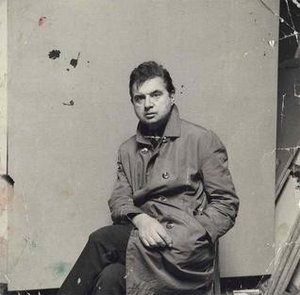
Francis Bacon

Francis Bacon

1909 - 1992 , Irland

Kurzinfos

  • Beeinflusste Künstler:
    • Pablo Picasso
    • Egon Schiele
  • Bemerkenswerte Werke:
    • Drei Studien für Kreuzigung
    • Porträt von Isabel Rawsthorne
    • Studie nach Velázquez
    • George Dyer im Spiegel
  • Geburtsdatum: 28. Oktober 1909
  • Geburtsort: Dublin, Irland
  • Künstlerische Richtung: Figuration, Expressionismus
  • Nationalität: Irisch-Britisch
  • Todatum: April 1992
  • Vollständiger Name: Francis Bacon
  • Von Künstlern Beeinflusst:
    • Maria Helena Vieira da Silva
    • Piet Mondrian
Entdecken Sie Kunstwerke, die nach Themen, Stilen und Merkmalen sortiert sind.