x


 Gemälde kaufen Bild kaufen
 Versenden
 Details anzeigen
 Zu Favoriten hinzufügen
 Herunterladen
 Ähnliche Objekte
 Röntgenaufnahme
 Diashow anzeigen
Giclée- oder Leinwanddruck in Museumsqualität mit schneller Produktion und flexiblen Veredelungsoptionen.





























Wählen Sie aus unseren vordefinierten Größen, die den ursprünglichen Proportionen des Kunstwerks entsprechen.

Sie können Ihre eigenen Maße eingeben, um ein bestimmtes Format oder einen speziellen Platz einzupassen. Wenn das von Ihnen gewählte Format nicht den Proportionen des Originalbildes entspricht, werden wir das Kunstwerk entweder beschneiden oder das Bild mit einem gespiegelten oder einfarbigen Rand erweitern. Ein digitaler Entwurf wird Ihnen zur Genehmigung zugesandt, bevor die Produktion beginnt.
Bitte beachten Sie, dass die Vorschau auf dem Bildschirm nicht den tatsächlichen Zuschnitt oder die Erweiterung widerspiegelt. Nur der Entwurf zeigt die endgültige Komposition präzise an.
Obwohl Sondermaße verfügbar sind, empfehlen wir die Auswahl eines Maßes aus der vordefinierten Liste, um die ursprünglichen Proportionen zu bewahren.
Weltweiter Versand () innerhalb von 2 Wochen statt der üblichen 4/5 Wochen. (23 Juli)


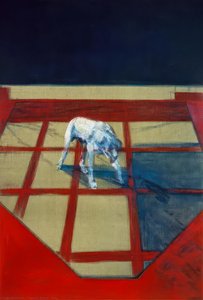
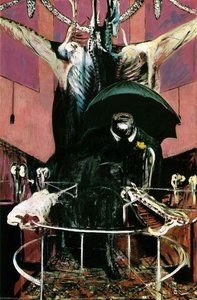
Triptych 2
Größe der Reproduktion
Francis Bacon's "Triptych 2" presents a stark and unsettling vision of the human condition, a world stripped bare of comfort and illusion. This triptych, comprised of three distinct yet interconnected paintings, embodies the artist’s signature style – a brutal honesty rendered in oil paint that confronts viewers with primal anxieties and the inherent loneliness of existence. The photograph captures not just images, but fragments of a psychological landscape, echoing themes prevalent throughout Bacon's oeuvre: isolation, fear, and the grotesque distortion of the human form.
Each panel within "Triptych 2" depicts a moment of intense interaction, yet these moments are fraught with tension and ambiguity. The first painting showcases a solitary figure engaged in a seemingly innocuous activity – playing with a ball – but the oppressive darkness of the room suggests a profound sense of detachment and perhaps even despair. The second panel portrays dancers on stage, their movements frozen in a moment of apparent ecstasy, yet the composition hints at a desperate struggle for control or recognition. Finally, the third painting presents a disturbing tableau of two men, one holding a weapon, immediately introducing an element of threat and violence. The repetition of figures across the three panels reinforces the idea of fractured identities and the inescapable nature of human connection – often fraught with danger.
Bacon’s technique is characterized by a deliberate rejection of traditional representation. He employs thick, gestural brushstrokes, layering paint to create surfaces that appear almost sculptural. The use of black and white photography here emphasizes the raw physicality of his process, stripping away any potential for color distraction and intensifying the emotional impact. His figures are rendered with an unsettling distortion – elongated limbs, contorted faces, and a palpable sense of suffering. This technique isn’t merely stylistic; it's a deliberate attempt to bypass rational thought and tap directly into the viewer’s subconscious, triggering feelings of unease and discomfort. The influence of Surrealism is evident in his exploration of dreamlike imagery and psychological states, but Bacon transcends mere imitation, forging a uniquely personal and profoundly unsettling style.
"Triptych 2" was created during a period of immense social and political upheaval – the aftermath of World War II. The anxieties of the time, coupled with Bacon’s own troubled personal life (marked by instability and emotional detachment), fueled his artistic exploration of human vulnerability. The recurring motif of confinement—represented by the dark rooms and enclosed spaces—can be interpreted as a metaphor for the psychological prisons we create for ourselves. The gun in the third panel is not simply a symbol of violence, but perhaps a representation of the destructive forces within humanity itself. Bacon’s work reflects a broader artistic trend of the 20th century, moving away from representational art towards abstraction and exploring the darker aspects of human experience.
“Triptych 2” is not a comfortable viewing experience. It demands engagement, forcing the viewer to confront uncomfortable truths about themselves and the world around them. Bacon’s work continues to resonate with audiences today because it speaks to universal anxieties – fear of isolation, loss of control, and the inherent absurdity of existence. As one of the most influential artists of the 20th century, Francis Bacon's legacy lies in his unflinching honesty and his ability to translate profound emotional experience into a powerfully visual language. A hand-painted reproduction of “Triptych 2” offers a unique opportunity to own a piece of this artistic genius, bringing its unsettling beauty and intellectual depth into your space.

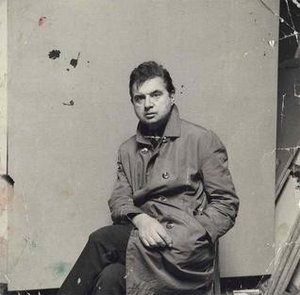
1909 - 1992 , Irland

Entdecken Sie die 25 Meisterwerke von Francis Bacon! Erleben Sie existenzielle Schmerz, expressive Porträts & dunkle Farben. Kunstreproduktionen in Museumsqualiät auf Most-Famous-Paintings.com – für Ihre Wanddekoration.

Entdecken Sie die düsteren Schönheiten der Kunst! Unsere Top 10 Gemälde dominieren durch Elfenbeinschwarz – von Rembrandt bis Goya. Erfahren Sie mehr über Künstler, Techniken & Bedeutung. Hochwertige Reproduktionen auf

Verwandeln Sie Ihre Fotos in zeitlose Kunst! Most-Famous-Paintings kreiert hochwertige Schwarzweiß-Reproduktionen & personalisierte Gemälde im klassischen Stil – Ihr individuelles Vermächtnis für die Ewigkeit. Entdecken Sie jetzt!

Explore the captivating world of monochrome art! Discover its rich history, influential artists like Malevich & Klein, and profound emotional impact. Expert insights for collectors & design enthusiasts.

Entdecken Sie die 10 Meisterwerke des Surrealismus & Expressionismus! Erfahren Sie die Geschichten hinter Dalí, Magritte und mehr. Hochwertige Kunstdrucke für Ihr Zuhause – jetzt auf Most-Famous-Paintings.com entdecken.


Bleiben Sie über die neuesten Kunstnachrichten, exklusive Angebote und Dekorationsideen auf dem Laufenden.
Erzählen Sie uns von Ihrem Projekt und unsere Kunstexperten erstellen für Sie 3 personalisierte Kunstvorschläge.
Wir kuratieren 3 Optionen exklusiv für Sie – kostenlos!


 Teilen


 Weiterlesen







 Die Glasoption ist nur in Größen unter 110 cm verfügbar.