


x


 Druck bestellen Bild kaufen
 Versenden
 Details anzeigen
 Zu Favoriten hinzufügen
 Herunterladen
 Ähnliche Objekte
 Röntgenaufnahme
 Diashow anzeigen
Handgemaltes Ölgemälde auf Leinwand in Ihrer Wunschgröße und mit Rahmen, auf Bestellung von unseren Künstlern angefertigt.





























Wählen Sie aus unseren vordefinierten Größen, die den ursprünglichen Proportionen des Kunstwerks entsprechen.

Sie können Ihre eigenen Maße eingeben, um einen bestimmten Rahmen oder Platz auszufüllen. Wenn die gewählte Größe nicht den Proportionen des Originalbildes entspricht, werden wir das Kunstwerk entweder beschneiden oder das Gemälde durch zusätzliche, handgemalte Elemente erweitern. Ein digitales Mockup wird Ihnen zur Genehmigung zugesandt, bevor die Produktion beginnt.
Bitte beachten Sie, dass die Bildschirmvorschau nicht die tatsächliche Beschneidung oder Erweiterung widerspiegelt. Nur das Mockup zeigt die endgültige Komposition exakt an.
Obwohl Sondermaße verfügbar sind, empfehlen wir, eine Größe aus der vordefinierten Liste zu wählen, um die ursprünglichen Proportionen beizubehalten.
Weltweiter Versand () in nur 3 bis 4 Wochen statt der üblichen 5 Wochen. (21 Juli). Keine Kompromisse bei der Qualität.


Der Ochse
Größe der Reproduktion
Franz Marc's "The Steer (The Bull)," painted in 1911, is more than just a depiction of an animal; it’s a profound meditation on the essence of life itself. This work, rendered in Marc’s signature vibrant Expressionist style, captures a moment of serene contemplation – a bull lying down, its head resting peacefully upon its forelegs. The painting immediately draws the viewer into a world saturated with color and imbued with an almost palpable sense of spirituality. It's a piece that speaks not just to the eye but directly to the heart.
Marc’s artistic journey was deeply intertwined with his spiritual beliefs, stemming from early explorations within theology before ultimately dedicating himself to art as a means of conveying profound experiences. This conviction is powerfully evident in “The Bull.” The palette—a rich tapestry of blues and reds—is not merely decorative; it's deliberately chosen to evoke feelings of both tranquility and primal energy. These colors aren’t simply observed, they are *felt*, representing the animal’s vital force and connection to the natural world. Marc sought to move beyond mere representation, aiming instead to capture the inner spirit of his subject.
While firmly rooted in Expressionism, “The Bull” also reveals subtle influences from Cubism. Marc’s fragmented forms—particularly in the bull's head and limbs—suggest a deliberate deconstruction of reality, inviting the viewer to actively participate in constructing meaning. This fragmentation isn’t chaotic; rather, it creates a sense of dynamism and movement, as if the bull is simultaneously present and dissolving into its surroundings. The background, featuring stylized plants and rocks, further enhances this effect, adding depth and texture while subtly reinforcing the painting's symbolic weight.
The inclusion of two apples in the foreground is particularly significant. Apples have long been associated with themes of fertility, innocence, and earthly delights within Western art. Their presence here likely symbolizes the bull’s connection to the land, its role as a symbol of strength and abundance, and perhaps even hints at the cyclical nature of life and death. Marc masterfully employs these seemingly simple objects to elevate the painting's narrative complexity.
Franz Marc’s “The Bull” is often interpreted as a representation of the soul—a concept central to his artistic philosophy. The bull, with its powerful presence and inherent dignity, becomes a vehicle for exploring themes of spirituality, instinct, and the interconnectedness of all living things. Marc believed that animals possessed a purity and honesty that humans had largely lost, and he sought to capture this essence in his work.
Painted during a period of intense artistic experimentation and social upheaval, “The Bull” reflects Marc’s desire to break free from the constraints of academic tradition and forge a new path for German art. It stands as a testament to his unwavering commitment to expressing his inner vision through color, form, and symbolism—a truly remarkable achievement that continues to resonate with viewers today. A reproduction offers an intimate glimpse into this profound artistic statement.

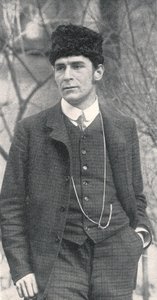
1880 - 1916 , Deutschland

Entdecken Sie die rohe Emotion des Expressionismus! Expertenwissen über Künstler wie Munch & Kandinsky, wertvolle Einblicke für Sammler und hochwertige Reproduktionen bei .

Entdecken Sie das faszinierende Werk von Franz Marc! Erfahren Sie mehr über seine spirituelle Kunst, die Tierdarstellungen und seinen Einfluss auf den Expressionismus. Expertenanalyse & Hintergrundinformationen.
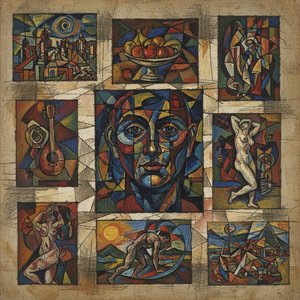
Entdecken Sie die 10 prägendsten Meisterwerke des Kubismus & Expressionismus! Erfahren Sie die Geschichten von Picasso, Braque und mehr. Kunstdrucke in Museumsqualiät für Ihr Zuhause – jetzt auf Most-Famous-Paintings.com!

Entdecken Sie die 10 legendärsten Akrylmalereien, die Kunstgeschichte prägten! Von Pollock bis Rothko – erfahren Sie die Geschichten hinter den Meistern und ihren Farbwelten. Museum-Qualität Reproduktionen auf Most-Famous-Paintings.com.

Entdecken Sie die 10 legendärsten Acrylgemälde auf Papier, die Kunstgeschichte prägten! Von abstrakten Farbexplosionen bis zu minimalistischen Ikonen – erfahren Sie mehr über Künstler, Techniken & Bedeutung. Hochwertige Reproduktionen finden Sie auf Most-Famous-Paintings.com


Bleiben Sie über die neuesten Kunstnachrichten, exklusive Angebote und Dekorationsideen auf dem Laufenden.
Erzählen Sie uns von Ihrem Projekt und unsere Kunstexperten erstellen für Sie 3 personalisierte Kunstvorschläge.
Wir kuratieren 3 Optionen exklusiv für Sie – kostenlos!


 Teilen


 Weiterlesen







 Die Glasoption ist nur in Größen unter 110 cm verfügbar.


