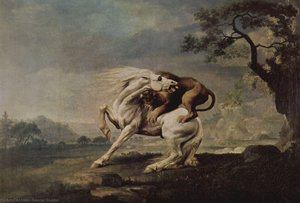
x


 Preview
 Gemälde kaufen Bild kaufen
 Versenden
 Details anzeigen
 Zu Favoriten hinzufügen
 Herunterladen
 Ähnliche Objekte
 Röntgenaufnahme
 Diashow anzeigen
 Oil On CanvasWallArtNeoclassical/Romantic
 1785
1785 89.0 x 132.0 cm
 Tate Britain
Giclée- oder Leinwanddruck in Museumsqualität mit schneller Produktion und flexiblen Veredelungsoptionen.





























Wählen Sie aus unseren vordefinierten Größen, die den ursprünglichen Proportionen des Kunstwerks entsprechen.

Sie können Ihre eigenen Maße eingeben, um ein bestimmtes Format oder einen speziellen Platz einzupassen. Wenn das von Ihnen gewählte Format nicht den Proportionen des Originalbildes entspricht, werden wir das Kunstwerk entweder beschneiden oder das Bild mit einem gespiegelten oder einfarbigen Rand erweitern. Ein digitaler Entwurf wird Ihnen zur Genehmigung zugesandt, bevor die Produktion beginnt.
Bitte beachten Sie, dass die Vorschau auf dem Bildschirm nicht den tatsächlichen Zuschnitt oder die Erweiterung widerspiegelt. Nur der Entwurf zeigt die endgültige Komposition präzise an.
Obwohl Sondermaße verfügbar sind, empfehlen wir die Auswahl eines Maßes aus der vordefinierten Liste, um die ursprünglichen Proportionen zu bewahren.
Weltweiter Versand () innerhalb von 2 Wochen statt der üblichen 4/5 Wochen. (24 Juli)


Haymaking
Größe der Reproduktion
George Stubbs' "Haymaking," painted in 1785, isn’t merely a landscape; it’s a meticulously crafted tableau vivant—a snapshot of communal labor rendered with an almost unsettling level of detail and imbued with a quiet, profound beauty. Housed within the Tate Gallery in London, this oil on canvas offers a rare glimpse into the rhythms of 18th-century rural England, capturing not just the physical act of haymaking but also the social dynamics and inherent dignity of those involved.
The scene unfolds with remarkable clarity. A group of figures – men and women alike – are engaged in the arduous task of gathering hay beneath a vast, open sky. Stubbs’s genius lies not just in his ability to depict the physical exertion of the work—the straining muscles, the rhythmic movements—but also in his masterful understanding of human anatomy. Each individual is rendered with an almost scientific precision, reflecting Stubbs' lifelong fascination with animal and human form. The figures are not idealized; they possess a palpable physicality, their bodies conveying both strength and fatigue. This anatomical rigor elevates the painting beyond a simple depiction of rural life, transforming it into a study of the human condition.
Stubbs’s composition is carefully balanced, drawing the eye towards the central group while simultaneously establishing a sense of depth through the use of atmospheric perspective. The vast expanse of the field stretches out behind the workers, receding into a hazy distance punctuated by a solitary tree – a detail that subtly anchors the scene within its natural context. The artist’s brushwork is remarkably controlled, creating a smooth, almost polished surface that contrasts with the rough texture of the haystacks and the weathered clothing of the laborers. The use of light and shadow is particularly noteworthy, casting dramatic highlights on the figures and enhancing the sense of three-dimensionality.
The painting’s palette is dominated by earthy tones—ochres, browns, and greens—reflecting the colors of the field and the hay itself. However, Stubbs introduces subtle splashes of color through the clothing worn by the workers, adding visual interest and highlighting their individuality. The overall effect is one of understated elegance and quiet observation.
“Haymaking” transcends a simple depiction of agricultural labor; it carries layers of symbolic meaning. The communal nature of the work suggests a strong sense of community and shared purpose. The inclusion of both men and women working together underscores the importance of gender equality in rural society, a relatively rare subject for artists of the time. Furthermore, the figures’ direct gaze towards the viewer creates a powerful connection, inviting us to contemplate our own relationship with nature and labor.
Interestingly, Stubbs's choice to depict these laborers with such dignity—their bodies presented with anatomical accuracy and a sense of quiet strength—can be interpreted as a subtle critique of social hierarchies. By elevating the status of the working class, he challenges the prevailing attitudes of his time, suggesting that all individuals deserve respect and recognition.
“Haymaking” stands as a testament to George Stubbs’s extraordinary artistic talent and his unique approach to depicting both animals and humans. It is a painting that rewards careful observation, inviting viewers to delve into its layers of meaning and appreciate the artist's meticulous attention to detail. Reproductions of this iconic work capture the essence of Stubbs’s vision, allowing art lovers to experience the beauty and power of this remarkable masterpiece in their own homes. The painting exemplifies a pivotal moment in British art—a synthesis of scientific observation, anatomical precision, and Romantic sensibility that continues to resonate with audiences today.


1724 - 1806 , Vereinigtes Königreich

Entdecken Sie das Werk von George Barret der Ältere, einem Pionier der britischen Landschaftsmalerei! Erfahren Sie mehr über seinen pastoralen Stil, Einfluss und die Entwicklung des Genres. Kunstgeschichte für Kenner.
Explore the captivating equestrian art of John Nost Sartorius (1759-1828). Discover his detailed paintings of racehorses, hunting scenes & aristocratic life. Learn about collecting Sartorius's work and its lasting value.
Explore the captivating landscapes & portraits of Brian Hatton (1887-1916), a promising British artist lost too soon. Discover his unique style, Herefordshire roots, and lasting legacy in early 20th-century art.

Explore the life & art of James Sant (1820-1916), renowned Victorian portraitist to Queen Victoria. Discover his captivating depictions of childhood, landscapes, and aristocratic society. Learn about his legacy & find fine art reproductions.

Explore the captivating world of James Ward (1769-1859), a master of British Romantic landscape & animal painting. Discover his iconic 'Gordale Scar' and exquisite portraits – a timeless art investment. Learn about his influences, style, and enduring legacy.


Bleiben Sie über die neuesten Kunstnachrichten, exklusive Angebote und Dekorationsideen auf dem Laufenden.
Erzählen Sie uns von Ihrem Projekt und unsere Kunstexperten erstellen für Sie 3 personalisierte Kunstvorschläge.
Wir kuratieren 3 Optionen exklusiv für Sie – kostenlos!


 Teilen

 Weiterlesen







 Die Glasoption ist nur in Größen unter 110 cm verfügbar.