x

 Druck bestellen Bild kaufen
 Versenden
 Details anzeigen
 Zu Favoriten hinzufügen
 Herunterladen
 Ähnliche Objekte
 Röntgenaufnahme
 Diashow anzeigen
 Öl auf LeinwandWandkunstRenaissance Mannerism
 1573
1573 76.0 x 64.0 cm
 Louvre
Handgemaltes Ölgemälde auf Leinwand in Ihrer Wunschgröße und mit Rahmen, auf Bestellung von unseren Künstlern angefertigt.





























Wählen Sie aus unseren vordefinierten Größen, die den ursprünglichen Proportionen des Kunstwerks entsprechen.

Sie können Ihre eigenen Maße eingeben, um einen bestimmten Rahmen oder Platz auszufüllen. Wenn die gewählte Größe nicht den Proportionen des Originalbildes entspricht, werden wir das Kunstwerk entweder beschneiden oder das Gemälde durch zusätzliche, handgemalte Elemente erweitern. Ein digitales Mockup wird Ihnen zur Genehmigung zugesandt, bevor die Produktion beginnt.
Bitte beachten Sie, dass die Bildschirmvorschau nicht die tatsächliche Beschneidung oder Erweiterung widerspiegelt. Nur das Mockup zeigt die endgültige Komposition exakt an.
Obwohl Sondermaße verfügbar sind, empfehlen wir, eine Größe aus der vordefinierten Liste zu wählen, um die ursprünglichen Proportionen beizubehalten.
Weltweiter Versand () in nur 3 bis 4 Wochen statt der üblichen 5 Wochen. (18 Juli). Keine Kompromisse bei der Qualität.


Winter
Größe der Reproduktion
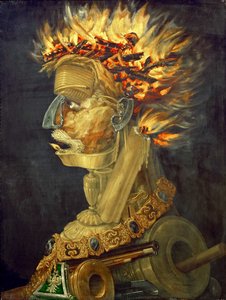
Giuseppe Arcimboldo's "Winter," painted in 1573, isn't merely a portrait; it’s an immersive experience. Within the confines of a relatively small canvas – measuring just 76 x 64 centimeters – he has conjured a world entirely constructed from the bounty and austerity of winter. This remarkable work, now residing within the hallowed halls of the Musée du Louvre in Paris, stands as a testament to Arcimboldo’s singular genius and his profound understanding of Renaissance symbolism. It's an invitation into a meticulously crafted tableau where the boundaries between human form and the natural world dissolve, creating a visual poem that continues to resonate centuries later.
Arcimboldo’s style is undeniably rooted in mannerism – a movement characterized by its deliberate distortion, heightened emotion, and complex layering. But here, it transcends mere stylistic quirkiness. The central figure, a human head, isn't simply adorned; it *is* winter. Branches, bare of leaves, form the stark outline of his hair and forehead, evoking the skeletal beauty of winter trees. This deliberate absence of foliage speaks volumes about the season’s dormancy and resilience. The eyes themselves are rendered with surprising delicacy – small, dark fruits, perhaps berries or cherries – offering a fleeting glimpse of life amidst the frozen landscape. The nose is a magnificent apple, plump and vibrant, a symbol of abundance even in the depths of winter, while the mouth is shaped by another fruit, adding a touch of unexpected color and vitality to the predominantly brown and white palette.
Beyond the immediate visual impact, "Winter" is rich in symbolic meaning. The scattered apples throughout the composition are potent emblems of fertility and prosperity – a reminder that even as nature sleeps, the promise of renewal lies dormant beneath the snow. Flowers, delicately placed amongst the branches, represent fleeting beauty and the cyclical nature of life and death. The dark background serves not to obscure, but rather to amplify the intricate details of the face, drawing the viewer’s attention to the carefully arranged elements. It's a deliberate choice that emphasizes the contrast between the ephemeral human form and the enduring power of nature.
It is believed that “Winter” was commissioned by Emperor Maximilian II, a keen patron of the arts, for presentation to Elector Augustus of Saxony in 1573. This gesture highlights the intricate web of political alliances and cultural exchanges prevalent within the European courts of the era. Arcimboldo’s work served as both a visual statement of allegiance and a demonstration of artistic skill – a gift intended to impress and solidify diplomatic ties. The painting reflects the Renaissance fascination with classical mythology and allegory, utilizing natural elements to convey complex ideas about power, mortality, and the interconnectedness of all things.
Arcimboldo’s masterful use of oil on canvas allowed him to achieve a remarkable level of detail and luminosity. The textures of the fruits, branches, and flowers are rendered with astonishing precision, creating an illusion of three-dimensionality that draws the viewer into the scene. The painting's intimate scale – 76 x 64 cm – invites close examination, revealing the sheer artistry involved in assembling this complex composition. “Winter” remains a profoundly influential work, demonstrating Arcimboldo’s innovative approach to portraiture and solidifying his place as one of the most imaginative artists of the Renaissance. A reproduction captures only a fraction of the original's magic, but Most-Famous-Paintings offers meticulously crafted hand-painted reproductions that strive to faithfully recreate this extraordinary vision, bringing its timeless beauty into your home or studio.

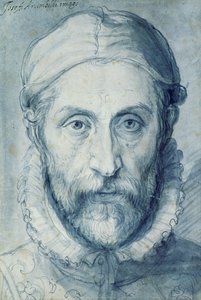
1527 - 1593 , Italien

Entdecken Sie die 10 berühmtesten Porträtkunstwerke der Geschichte! Von Mona Lisa bis Van Gogh – erfahren Sie die Geschichten hinter den Meisterwerken und lassen Sie sich von Renaissance, Barock & mehr inspirieren. Kunstdrucke in Museumqualität auf Most-Famous-Paintings.com.
Entdecken Sie die 10 prägendsten Meisterwerke der Renaissance! Erfahren Sie die Geschichten von Leonardo da Vinci, Michelangelo & Raffael. Hochwertige Kunst Reproduktionen für Ihr Zuhause – jetzt auf entdecken.
Entdecken Sie die 10 prägendsten Meisterwerke der Frührenaissance! Von Giotto bis Botticelli – erleben Sie Kunstgeschichte hautnah. Hochwertige Reproduktionen für Ihr Zuhause auf .

Paarträchtis – Auftragsmalerei für bleibende Erinnerungen. Handgemalte Gemälde nach Ihren Wünschen, höchste Qualität & individuelle Kunstwerke. Jetzt unverbindlich anfragen!
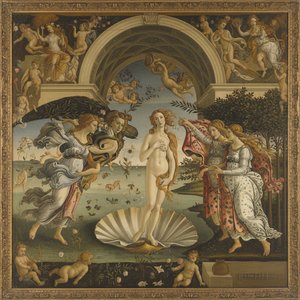
Entdecken Sie die 25 schönsten Meisterwerke von Sandro Botticelli! Erleben Sie die Renaissance-Kunst mit 'Geburt der Venus', 'Primavera' & mehr. Hochwertige Reproduktionen für Ihr Zuhause – jetzt auf Most-Famous-Paintings.com!


Bleiben Sie über die neuesten Kunstnachrichten, exklusive Angebote und Dekorationsideen auf dem Laufenden.
Erzählen Sie uns von Ihrem Projekt und unsere Kunstexperten erstellen für Sie 3 personalisierte Kunstvorschläge.
Wir kuratieren 3 Optionen exklusiv für Sie – kostenlos!


 Teilen

 Weiterlesen







 Die Glasoption ist nur in Größen unter 110 cm verfügbar.