


x


 Preview
 Druck bestellen Bild kaufen
 Versenden
 Details anzeigen
 Zu Favoriten hinzufügen
 Herunterladen
 Ähnliche Objekte
 Röntgenaufnahme
 Diashow anzeigen
Handgemaltes Ölgemälde auf Leinwand in Ihrer Wunschgröße und mit Rahmen, auf Bestellung von unseren Künstlern angefertigt.
Wählen Sie aus unseren vordefinierten Größen, die den ursprünglichen Proportionen des Kunstwerks entsprechen.

Sie können Ihre eigenen Maße eingeben, um einen bestimmten Rahmen oder Platz auszufüllen. Wenn die gewählte Größe nicht den Proportionen des Originalbildes entspricht, werden wir das Kunstwerk entweder beschneiden oder das Gemälde durch zusätzliche, handgemalte Elemente erweitern. Ein digitales Mockup wird Ihnen zur Genehmigung zugesandt, bevor die Produktion beginnt.
Bitte beachten Sie, dass die Bildschirmvorschau nicht die tatsächliche Beschneidung oder Erweiterung widerspiegelt. Nur das Mockup zeigt die endgültige Komposition exakt an.
Obwohl Sondermaße verfügbar sind, empfehlen wir, eine Größe aus der vordefinierten Liste zu wählen, um die ursprünglichen Proportionen beizubehalten.
Weltweiter Versand () in nur 3 bis 4 Wochen statt der üblichen 5 Wochen. (27 Juli). Keine Kompromisse bei der Qualität.


Painted Bronze
Größe der Reproduktion
Jasper Johns' Painted Bronze, created in 1960 but cast and painted the following year, is deceptively simple. At first glance, it presents as two unassuming twelve-ounce beer cans – rendered in bronze and meticulously painted to mimic their metallic counterparts – resting upon a stark, rectangular base. Yet, this apparent banality belies a profound engagement with American iconography, artistic tradition, and the very nature of representation. The genesis of this work is famously attributed to a seemingly offhand remark from Willem de Kooning, a fellow Abstract Expressionist, who reportedly suggested Johns “give that son-of-a-bitch two beer cans” – an observation that highlighted the burgeoning commercialization of art and the potential for transforming everyday objects into compelling subjects.
The anecdote, though perhaps embellished, underscores a key element of Johns’s artistic strategy: his ability to elevate the mundane to the level of significance. He wasn't interested in grand narratives or abstract explorations; instead, he sought to distill meaning from the familiar – the commonplace objects that populate our daily lives. This approach aligns with a broader shift within American art during the 1960s, moving away from the emotionally charged landscapes and figures of Abstract Expressionism towards a more direct engagement with recognizable imagery.
The technical execution of Painted Bronze is remarkably precise. Johns meticulously cast the beer cans in bronze, ensuring their form was faithfully replicated. However, rather than leaving them to their inherent materiality, he then applied a layer of paint – a muted gold-brown hue – that deliberately obscures and distorts the metallic surface. This act of painting isn’t merely decorative; it's a deliberate disruption of the material’s natural appearance, creating a fascinating dialogue between the cold solidity of bronze and the ephemeral qualities of paint.
The choice of bronze itself is significant. Bronze, historically associated with antiquity and permanence, lends an air of gravitas to the seemingly trivial subject matter. It elevates the beer cans from mere consumer goods to objects imbued with a sense of historical weight and symbolic resonance. The uneven application of paint further emphasizes this tension – suggesting a process of deliberate imperfection, mirroring the artist’s own approach to representation.
Beyond its technical merits, Painted Bronze is deeply rooted in American iconography. Beer cans, ubiquitous symbols of post-war prosperity and consumer culture, immediately evoke a specific historical context. The reference to “ale” – a term associated with a more refined and established social class – adds another layer of meaning, subtly referencing the hierarchies and distinctions that defined American society at the time.
Furthermore, Johns’s decision to depict beer cans rather than, say, flags or maps—other recurring motifs in his work—is particularly revealing. Flags and maps are inherently symbolic, representing national identity and geopolitical power. Beer cans, on the other hand, represent a more intimate and personal experience – a shared ritual of consumption that connects individuals across diverse social groups. In this way, Johns transforms an everyday object into a potent symbol of American culture and its complex relationship with commerce and consumerism.
Despite its seemingly simple composition, Painted Bronze possesses a remarkable emotional resonance. The work invites contemplation on the nature of representation, the blurring of boundaries between art and life, and the enduring power of everyday objects to evoke profound meaning. It’s a testament to Johns's ability to distill complex ideas into deceptively straightforward forms, leaving the viewer with a lingering sense of ambiguity and wonder.
Painted Bronze stands as a pivotal work in Jasper Johns’s oeuvre, exemplifying his innovative approach to subject matter and technique. It remains a compelling example of American art's engagement with contemporary culture and its exploration of the symbolic potential within the mundane.
Geboren in Augusta, Georgia, im Jahr 1930, ist Jasper Johns ein hoch einflussreicher amerikanischer Künstler, der für seine innovativen und provokanten Werke bekannt ist, die die moderne Kunst neu definierten. Seine Karriere erstreckt sich über Jahrzehnte und ist geprägt von einer ständigen Auseinandersetzung mit Form, Symbolik und der Natur der Repräsentation selbst.
Johns erlebte ein herausforderndes Kindesalter nach der Scheidung seiner Eltern. Er besuchte mehrere Schulen, bevor er 1948-1949 an der University of South Carolina studierte. Danach zog er 1949 nach New York City, wo er kurzzeitig an der Parsons School of Design studierte und später im Koreakrieg für das U.S. Army diente. Diese Zeit hatte einen bedeutenden Einfluss auf seine künstlerische Entwicklung.
Anfangs beeinflusst von Abstrakter Expressionismus, begann Johns bald, sich von seinem rein nicht-repräsentativen Ansatz abzuwenden. Er suchte eine neue visuelle Sprache, die erkennbare Bilder einbezog und gleichzeitig die vorherrschenden ästhetischen Normen der Zeit in Frage stellte. Wichtige Einflüsse waren:
Johns’ künstlerischer Stil ist durch seine Kühnheit, Einfachheit, Ironie und eine bewusste Mehrdeutigkeit gekennzeichnet. Er setzte häufig Techniken wie Enkaustik (Pigmente gemischt mit heißem Wachs) und Collage ein, um texturierte Oberflächen zu schaffen, die seinen Werken zusätzliche Bedeutung verliehen.
Jasper Johns spielte eine entscheidende Rolle bei der Übergang von der abstrakten Expressionismus zur Pop Art. Seine Verwendung erkennbarer Bilder stellte die Vorstellung in Frage, dass Kunst ausschließlich abstrakt oder emotional ausdrucksstark sein müsse. Er ebnete den Weg für eine neue Generation von Künstlern, die sich der Populärkultur und Alltagsgegenständen als Themen widmeten.
Sein Einfluss ist bei folgenden Künstlern zu sehen:
Johns’ Werke befinden sich in wichtigen Museumssammlungen auf der ganzen Welt, darunter:
Jasper Johns ist bis heute aktiv. Seine fortwährende Auseinandersetzung mit künstlerischen Grenzen und sein bleibender Einfluss auf die zeitgenössische Kunst festigen seine Position als einer der wichtigsten Künstler des 20. und 21. Jahrhunderts.
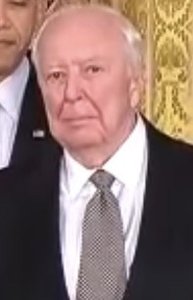
1930 - , Vereinigte Staaten von Amerika

Explore the life & work of Jacob Kainen, a pivotal figure in American Abstract Expressionism and Color Field painting. Discover his journey from Social Realism to vibrant abstraction and lasting influence on 20th-century art.

Entdecken Sie Willem de Koonings revolutionäre Kunst und die Entwicklung des Abstrakten Expressionismus. Expertenanalyse, Investitionspotenzial & Sammlerwert – erfahren Sie mehr auf Most-Famous-Paintings.

Entdecken Sie Richard Lindners faszinierende Auseinandersetzung mit Entfremdung und Begierde in der Pop Art. Expertenanalyse, Sammlerperspektiven & bleibender Wert für Kunstinvestoren.

Entdecken Sie Jim Dines einzigartige Poetik der Alltagsgegenstände! Analysieren Sie seine autobiografischen Narrative, den Einfluss des Neo-Dada und seinen Platz in der Pop Art. Expertenwissen für Kunstsammler.

Explore the captivating world of Abbott Handerson Thayer, a pioneer of American realism & Symbolism. Discover his ethereal angel paintings, innovative techniques, and lasting influence on art history. Learn about his scientific pursuits & Transcendentalist spirit.


Bleiben Sie über die neuesten Kunstnachrichten, exklusive Angebote und Dekorationsideen auf dem Laufenden.
Erzählen Sie uns von Ihrem Projekt und unsere Kunstexperten erstellen für Sie 3 personalisierte Kunstvorschläge.
Wir kuratieren 3 Optionen exklusiv für Sie – kostenlos!


 Teilen


 Weiterlesen




































 Die Glasoption ist nur in Größen unter 110 cm verfügbar.


