x

 Gemälde kaufen Bild kaufen
 Versenden
 Details anzeigen
 Zu Favoriten hinzufügen
 Herunterladen
 Ähnliche Objekte
 Röntgenaufnahme
 Diashow anzeigen
 Acryl auf LeinwandWandkunstFauvism, Primitivism
 1933
1933 102.0 x 169.0 cm
Giclée- oder Leinwanddruck in Museumsqualität mit schneller Produktion und flexiblen Veredelungsoptionen.





























Wählen Sie aus unseren vordefinierten Größen, die den ursprünglichen Proportionen des Kunstwerks entsprechen.

Sie können Ihre eigenen Maße eingeben, um ein bestimmtes Format oder einen speziellen Platz einzupassen. Wenn das von Ihnen gewählte Format nicht den Proportionen des Originalbildes entspricht, werden wir das Kunstwerk entweder beschneiden oder das Bild mit einem gespiegelten oder einfarbigen Rand erweitern. Ein digitaler Entwurf wird Ihnen zur Genehmigung zugesandt, bevor die Produktion beginnt.
Bitte beachten Sie, dass die Vorschau auf dem Bildschirm nicht den tatsächlichen Zuschnitt oder die Erweiterung widerspiegelt. Nur der Entwurf zeigt die endgültige Komposition präzise an.
Obwohl Sondermaße verfügbar sind, empfehlen wir die Auswahl eines Maßes aus der vordefinierten Liste, um die ursprünglichen Proportionen zu bewahren.
Weltweiter Versand () innerhalb von 2 Wochen statt der üblichen 4/5 Wochen. (20 Juli)


Einzige Einsamkeit
Größe der Reproduktion
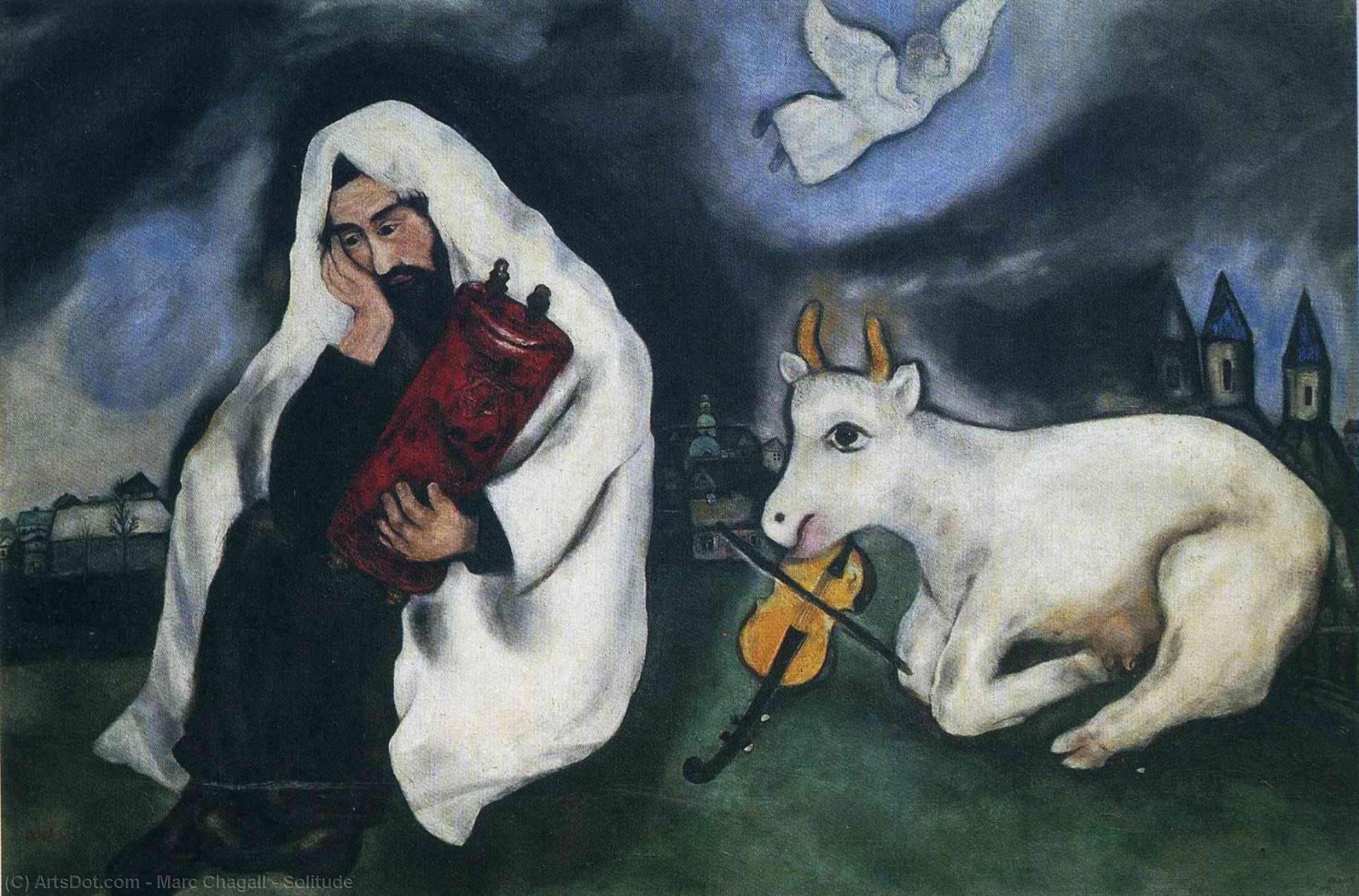
Marc Chagall's "Solitude," painted in 1933, is not merely a depiction of an individual; it’s a profound meditation on the spirit of a people facing imminent upheaval. Housed within the Tel-Aviv Museum of Art, this work transcends its simple subject matter to become a poignant emblem of Jewish culture during a turbulent era – a time when anti-Semitism was rapidly escalating across Europe. The painting immediately draws the eye with its muted palette, dominated by earthy tones and deep blues, creating an atmosphere of quiet contemplation and melancholic introspection. Chagall masterfully employs Fauvist techniques, not in a riotous explosion of color as is often associated with the movement, but rather through subtle shifts and tonal variations that heighten the sense of emotional depth.
At the heart of the composition sits a man, draped in a long, flowing robe or cloak, his head bowed in profound sorrow. He’s seated on the ground, seemingly lost within himself, while a calm goat rests peacefully before him – an unexpected juxtaposition that speaks volumes about the duality of existence and acceptance. A violin lies nearby, hinting at a past filled with music and joy, now overshadowed by the weight of solitude. The background reveals a small town, rendered in hazy blues and greys, suggesting both familiarity and a sense of isolation. The architectural details are deliberately simplified, contributing to the painting’s dreamlike quality.
“Solitude” is rich with symbolic elements that deepen its meaning far beyond a simple portrait. The man's posture and expression immediately convey grief and introspection – a direct response to the anxieties of his time. The goat, often interpreted as representing sacrifice or innocence, offers a counterpoint to the man’s sadness, suggesting a quiet resilience within him. Crucially, the Torah scroll, prominently displayed, is not just an object but a symbol of Jewish identity, law, and tradition – a tangible representation of faith amidst uncertainty. The presence of God's messenger, depicted as a radiant figure in the sky, offers a glimmer of hope and divine guidance, while the historical rabbi or elder personifying Judaism embodies the continuity of cultural heritage.
The inclusion of these symbols is particularly significant when viewed within the context of 1933. Chagall was acutely aware of the rising tide of anti-Semitism in Europe, fueled by the rise of Nazism and widespread prejudice. The painting can be interpreted as a powerful statement against this intolerance – a celebration of Jewish culture’s enduring strength and spiritual depth. The satirical element—the goat generating cultural objects—highlights the absurdity of those who sought to diminish or deny the value of Jewish contributions to art and civilization.
Chagall's choice of muted colors, a departure from the vibrant hues characteristic of his earlier works, contributes significantly to the painting’s contemplative mood. This restrained palette underscores the emotional weight of the scene, inviting viewers to engage with the man’s inner turmoil. The style leans heavily into Naïve Art (Primitivism), reminiscent of folk art traditions, which Chagall often drew upon for its directness and emotive power. It's a deliberate move away from academic realism, prioritizing emotional expression over meticulous detail.
Furthermore, “Solitude” stands as a testament to Chagall’s artistic courage in the face of censorship and political pressure. As documented by historical research, the artist faced criticism and attempts at regulation from conservative authorities who sought to control art production and enforce traditional styles. Despite these challenges, Chagall remained steadfast in his vision, continuing to explore themes of identity, faith, and human experience through his distinctive artistic language. The painting’s legacy lies not only in its aesthetic beauty but also in its powerful message of resilience and cultural pride.
Most-Famous-Paintings offers meticulously crafted hand-painted reproductions of Marc Chagall's "Solitude," allowing you to experience the depth and emotion of this iconic artwork firsthand. Our skilled artists faithfully recreate Chagall’s unique style, capturing the subtle nuances of color, texture, and symbolism with exceptional precision. Whether displayed in a gallery, study, or living room, this reproduction will serve as a timeless reminder of Jewish culture's enduring spirit and Chagall’s profound artistic vision. Consider it not just a painting, but a window into a pivotal moment in history and the heart of one of art’s most beloved figures.

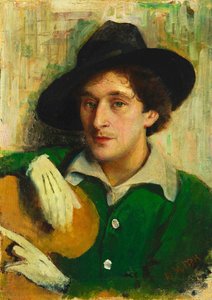
1887 - 1985 , Belarus
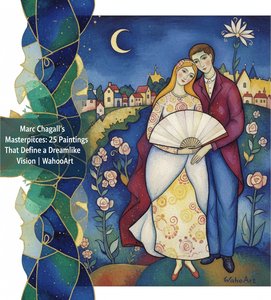
Entdecken Sie die Top 25 Kunstwerke von Marc Chagall! Tauchen Sie ein in seine traumhaften Welten, jüdische Motive & expressiven Farben. Hochwertige Kunstreproduktionen auf Most-Famous-Paintings.com – für Ihr Zuhause.

Entdecken Sie die 25 berühmtesten Kunstwerke des Metropolitan Museum of Art, New York! Von Van Gogh bis Monet – erleben Sie Geschichten hinter Meisterwerken. Hochwertige Reproduktionen & Inspiration für Ihr Zuhause auf Most-Famous-Paintings.com.

Entdecken Sie die 25 schönsten Gemälde von Dante Gabriel Rossetti! Tauchen Sie ein in die Welt der Präraffeliten, symbolistischer Kunst & viktorianischer Romantik. Hochwertige Reproduktionen für Ihr Zuhause – jetzt bei Most-Famous-Paintings.com!

Entdecken Sie die 25 Meisterwerke von Claude Monet! Tauchen Sie ein in die Welt des Impressionismus, erleben Sie Seerosen, Sonnenaufgänge & Kathedralen. Hochwertige Reproduktionen für Ihr Zuhause – exklusiv auf Most-Famous-Paintings.com.
Entdecken Sie die 25 Meisterwerke von James Abbott McNeill Whistler! Von den berühmten Nocturnes bis zu ikonischen Porträts – erleben Sie Ästhetizismus, Impressionismus & Tonalismus. Hochwertige Reproduktionen auf Most-Famous-Paintings.com.


Bleiben Sie über die neuesten Kunstnachrichten, exklusive Angebote und Dekorationsideen auf dem Laufenden.
Erzählen Sie uns von Ihrem Projekt und unsere Kunstexperten erstellen für Sie 3 personalisierte Kunstvorschläge.
Wir kuratieren 3 Optionen exklusiv für Sie – kostenlos!


 Teilen

 Weiterlesen







 Die Glasoption ist nur in Größen unter 110 cm verfügbar.