x


 Gemälde kaufen Bild kaufen
 Versenden
 Details anzeigen
 Zu Favoriten hinzufügen
 Herunterladen
 Ähnliche Objekte
 Röntgenaufnahme
 Diashow anzeigen
Giclée- oder Leinwanddruck in Museumsqualität mit schneller Produktion und flexiblen Veredelungsoptionen.





























Wählen Sie aus unseren vordefinierten Größen, die den ursprünglichen Proportionen des Kunstwerks entsprechen.

Sie können Ihre eigenen Maße eingeben, um ein bestimmtes Format oder einen speziellen Platz einzupassen. Wenn das von Ihnen gewählte Format nicht den Proportionen des Originalbildes entspricht, werden wir das Kunstwerk entweder beschneiden oder das Bild mit einem gespiegelten oder einfarbigen Rand erweitern. Ein digitaler Entwurf wird Ihnen zur Genehmigung zugesandt, bevor die Produktion beginnt.
Bitte beachten Sie, dass die Vorschau auf dem Bildschirm nicht den tatsächlichen Zuschnitt oder die Erweiterung widerspiegelt. Nur der Entwurf zeigt die endgültige Komposition präzise an.
Obwohl Sondermaße verfügbar sind, empfehlen wir die Auswahl eines Maßes aus der vordefinierten Liste, um die ursprünglichen Proportionen zu bewahren.
Weltweiter Versand () innerhalb von 2 Wochen statt der üblichen 4/5 Wochen. (21 Juli)


untitled (4426)
Größe der Reproduktion
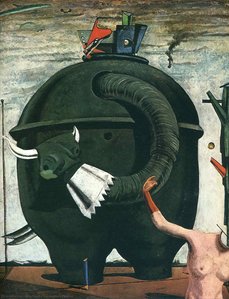
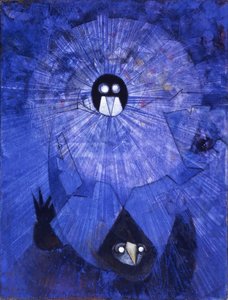
Max Ernst's "Untitled (4426)" is not merely a painting; it’s an immersion into the subconscious, a meticulously crafted exploration of the surreal that speaks to the anxieties and fascinations of the early 20th century. This arresting image, dominated by a solitary yellow figure with a startling red face, immediately commands attention, drawing the viewer into a world where logic yields to dreamlike imagery. The stark black background amplifies the vibrancy of the central form, creating an almost unsettling isolation that is characteristic of Ernst’s approach.
Born in Brühl, Germany, in 1891, Max Ernst’s artistic trajectory was profoundly shaped by his intellectual pursuits and a deep-seated skepticism towards established norms. His education – encompassing philosophy, art history, psychology, and psychiatry at the University of Bonn – wasn't simply academic; it fueled a relentless questioning of reality itself. This intellectual rigor is palpable in "Untitled (4426)," where the seemingly simple composition belies a complex layering of symbolic meaning. Ernst’s early life, marked by his father’s work with deaf children and his own rebellious spirit, instilled within him a fascination with the hidden dimensions of human experience – a theme that would become central to his artistic output.
The painting's symbolism is deliberately ambiguous, inviting multiple interpretations. The yellow figure, often associated with intellect and enlightenment, is rendered unsettling by its red face, suggesting suppressed emotions or perhaps a confrontation with primal instincts. The small figures flanking it could represent anxieties or observers within the dreamer’s mind. The object resembling a hat – a recurring motif in Ernst's work – may symbolize protection, concealment, or even the head itself as a vessel for thought and emotion. Within the context of Surrealism, this piece embodies the movement’s core tenets: exploring the irrational, the unconscious, and the power of dreams to reveal hidden truths.
"Untitled (4426)" was created during a period of immense social and political upheaval – the aftermath of World War I and the rise of new ideologies. Ernst’s work reflects this atmosphere of uncertainty and disillusionment, capturing a sense of disorientation and psychological strain. The painting's unsettling beauty evokes a powerful emotional response, prompting viewers to confront their own anxieties and perceptions of reality. This reproduction offers an opportunity to possess a piece of art that embodies the spirit of a pivotal moment in artistic history – a testament to Max Ernst’s genius and his enduring exploration of the human psyche.

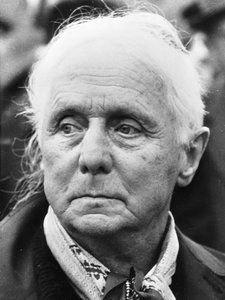
1891 - 1976 , Deutschland

Entdecken Sie die 10 Meisterwerke des Surrealismus & Expressionismus! Erfahren Sie die Geschichten hinter Dalí, Magritte und mehr. Hochwertige Kunstdrucke für Ihr Zuhause – jetzt auf Most-Famous-Paintings.com entdecken.
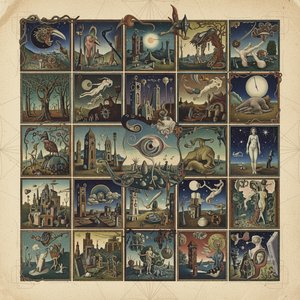
Entdecken Sie die 25 bedeutendsten Kunstwerke von Max Ernst! Tauchen Sie ein in die Welt des Surrealismus, Dada und abstrakter Malerei. Hochwertige Kunstreproduktionen & Inspiration für Ihr Zuhause bei Most-Famous-Paintings.com.
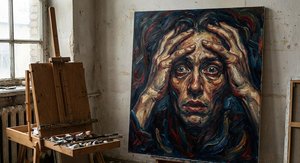
Explore the powerful world of Figurative Expressionism with Most-Famous-Paintings. Discover key artists like Kirchner & Beckmann, understand its emotional depth, and learn how to collect this influential 20th-century art movement.
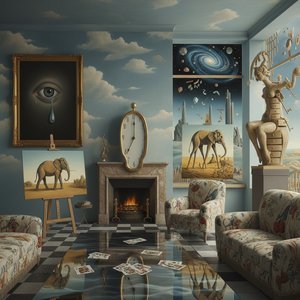
Entdecken Sie die 10 prägendsten Meisterwerke des Surrealismus! Von Dalí bis Magritte – erfahren Sie die Geschichten hinter ikonischen Gemälde und lassen Sie sich von traumhaften Welten inspirieren. Hochwertige Art Reproduktionen auf .
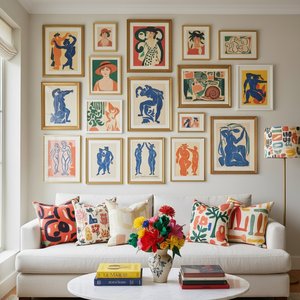
Entdecken Sie die 25 Meisterwerke von Henri Matisse! Tauchen Sie ein in die Welt des Fauvismus, der leuchtenden Farben und ikonischen Formen. Kunstreproduktionen & Inspiration für Ihr Zuhause – exklusiv auf Most-Famous-Paintings.com.


Bleiben Sie über die neuesten Kunstnachrichten, exklusive Angebote und Dekorationsideen auf dem Laufenden.
Erzählen Sie uns von Ihrem Projekt und unsere Kunstexperten erstellen für Sie 3 personalisierte Kunstvorschläge.
Wir kuratieren 3 Optionen exklusiv für Sie – kostenlos!


 Teilen


 Weiterlesen







 Die Glasoption ist nur in Größen unter 110 cm verfügbar.