x


 Preview
 Gemälde kaufen Bild kaufen
 Versenden
 Details anzeigen
 Zu Favoriten hinzufügen
 Herunterladen
 Ähnliche Objekte
 Röntgenaufnahme
 Diashow anzeigen
Giclée- oder Leinwanddruck in Museumsqualität mit schneller Produktion und flexiblen Veredelungsoptionen.





























Wählen Sie aus unseren vordefinierten Größen, die den ursprünglichen Proportionen des Kunstwerks entsprechen.

Sie können Ihre eigenen Maße eingeben, um ein bestimmtes Format oder einen speziellen Platz einzupassen. Wenn das von Ihnen gewählte Format nicht den Proportionen des Originalbildes entspricht, werden wir das Kunstwerk entweder beschneiden oder das Bild mit einem gespiegelten oder einfarbigen Rand erweitern. Ein digitaler Entwurf wird Ihnen zur Genehmigung zugesandt, bevor die Produktion beginnt.
Bitte beachten Sie, dass die Vorschau auf dem Bildschirm nicht den tatsächlichen Zuschnitt oder die Erweiterung widerspiegelt. Nur der Entwurf zeigt die endgültige Komposition präzise an.
Obwohl Sondermaße verfügbar sind, empfehlen wir die Auswahl eines Maßes aus der vordefinierten Liste, um die ursprünglichen Proportionen zu bewahren.
Weltweiter Versand () innerhalb von 2 Wochen statt der üblichen 4/5 Wochen. (27 Juli)


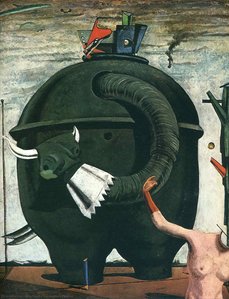
untitled (7055)
Größe der Reproduktion
Max Ernst’s “untitled (7055)” isn't merely a painting; it’s an invitation into a dreamscape—a meticulously crafted tableau that embodies the core tenets of Surrealism. Created in 1943 during the tumultuous years of World War II, this artwork transcends chronological boundaries, speaking to universal themes of anxiety, hope, and the subconscious mind.
The style is undeniably surrealistic, characterized by illogical juxtapositions and dreamlike imagery. Ernst’s technique—primarily collage—is masterful in its ability to fuse disparate elements into a unified whole. Fragments of newspaper clippings, burlap fabric, and painted surfaces converge to form a textured surface that mimics the unpredictable nature of the subconscious. Ernst employed a layering process, applying paint over collage materials, creating depth and complexity within the composition.
Historically, Surrealism emerged as a reaction against rational thought and artistic conventions prevalent in Europe after World War I. Artists like Ernst sought to liberate creativity from the constraints of logic, tapping into the realm of fantasy and irrational impulses. Influenced by Sigmund Freud’s psychoanalytic theories—particularly his exploration of dreams—the movement aimed to depict inner psychological realities rather than external appearances.
Symbolism permeates every aspect of “untitled (7055).” The prominent moon dominates the upper portion of the canvas, representing femininity, intuition, and the unconscious. Above it floats a large circle resembling a sun, symbolizing illumination and enlightenment—a paradoxical element that underscores the Surrealist preoccupation with contradictions.
Below the celestial bodies sits a castle-like structure, rendered in muted tones, suggesting resilience amidst adversity. Surrounding it are figures—presumably people—who appear to be gazing upwards at the moonlit sky. This gesture conveys a sense of wonder and contemplation, hinting at humanity’s yearning for transcendence.
More than just aesthetically pleasing, “untitled (7055)” possesses an emotional resonance that lingers long after viewing it. The artwork evokes feelings of melancholy, apprehension, yet simultaneously inspires optimism—a testament to Ernst's ability to capture the complexities of human experience within a single frame. It’s a piece designed not merely to be observed but felt—a reminder that art can illuminate hidden depths of consciousness and offer glimpses into realms beyond our everyday perceptions.
A high-quality reproduction of “untitled (7055)” would allow collectors and interior designers alike to appreciate Ernst’s groundbreaking vision—bringing a touch of Surrealist magic into any space.

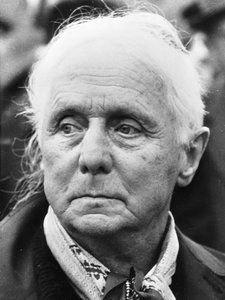
1891 - 1976 , Deutschland


Bleiben Sie über die neuesten Kunstnachrichten, exklusive Angebote und Dekorationsideen auf dem Laufenden.
Erzählen Sie uns von Ihrem Projekt und unsere Kunstexperten erstellen für Sie 3 personalisierte Kunstvorschläge.
Wir kuratieren 3 Optionen exklusiv für Sie – kostenlos!


 Teilen


 Weiterlesen







 Die Glasoption ist nur in Größen unter 110 cm verfügbar.