x


 Preview
 Gemälde kaufen Bild kaufen
 Versenden
 Details anzeigen
 Zu Favoriten hinzufügen
 Herunterladen
 Ähnliche Objekte
 Röntgenaufnahme
 Diashow anzeigen
Giclée- oder Leinwanddruck in Museumsqualität mit schneller Produktion und flexiblen Veredelungsoptionen.





























Wählen Sie aus unseren vordefinierten Größen, die den ursprünglichen Proportionen des Kunstwerks entsprechen.

Sie können Ihre eigenen Maße eingeben, um ein bestimmtes Format oder einen speziellen Platz einzupassen. Wenn das von Ihnen gewählte Format nicht den Proportionen des Originalbildes entspricht, werden wir das Kunstwerk entweder beschneiden oder das Bild mit einem gespiegelten oder einfarbigen Rand erweitern. Ein digitaler Entwurf wird Ihnen zur Genehmigung zugesandt, bevor die Produktion beginnt.
Bitte beachten Sie, dass die Vorschau auf dem Bildschirm nicht den tatsächlichen Zuschnitt oder die Erweiterung widerspiegelt. Nur der Entwurf zeigt die endgültige Komposition präzise an.
Obwohl Sondermaße verfügbar sind, empfehlen wir die Auswahl eines Maßes aus der vordefinierten Liste, um die ursprünglichen Proportionen zu bewahren.
Weltweiter Versand () innerhalb von 2 Wochen statt der üblichen 4/5 Wochen. (25 Juli)


untitled (7248)
Größe der Reproduktion
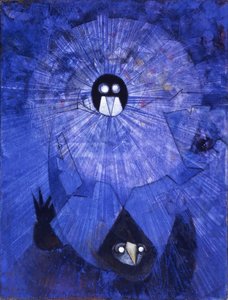
Max Ernst’s “Untitled (7248),” painted in 1935, stands as an arresting testament to the burgeoning surrealist movement and its preoccupation with exploring the subconscious mind. More than just a visually striking image—a man morphing into a canine visage amidst avian companions—the painting invites contemplation on themes of identity, transformation, and the unsettling beauty found within irrationality.
Ernst’s approach to art was fundamentally rooted in experimentation. He eschewed traditional oil painting techniques, favoring instead collage – meticulously assembling disparate materials like paper fragments, printed images, and fabric scraps onto a canvas surface. This technique wasn't merely stylistic; it served as a deliberate strategy for bypassing conscious control and accessing primal impulses. The resulting textured surface reflects the artist’s desire to capture not just what he *saw*, but what his subconscious *felt*.
“Untitled (7248)” emerged during the turbulent Weimar Republic era in Germany—a period marked by political instability, economic hardship, and a pervasive sense of unease. Surrealism arose as a reaction to these anxieties, offering an aesthetic antidote to rational optimism. Artists like Ernst sought to liberate themselves from societal constraints and delve into realms beyond logic, mirroring the psychological landscape of their time.
The central figure—a man whose face has been transformed into a dog’s countenance—immediately grabs attention. This unsettling juxtaposition symbolizes anxieties surrounding masculinity, vulnerability, and the loss of human form. Simultaneously, the birds circling overhead represent freedom, aspiration, and perhaps also a hint of disorientation. Ernst skillfully employs symbolism to convey complex ideas about the human condition, prompting viewers to consider hidden meanings beneath the surface.
"Untitled (7248)" isn’t intended to elicit comfortable emotions; rather, it confronts us with a palpable sense of unease and disorientation. Ernst's masterful manipulation of color—bold reds, yellows, and blues—amplifies the painting’s emotional intensity. The overall effect is one of captivating beauty intertwined with psychological depth, inviting viewers into a dialogue about confronting inner turmoil and embracing the transformative power of irrational thought.

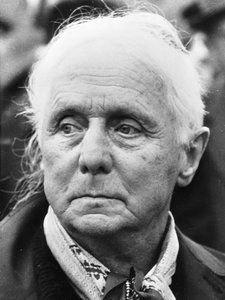
1891 - 1976 , Deutschland
Entdecken Sie die 25 bedeutendsten Kunstwerke von Max Ernst! Tauchen Sie ein in die Welt des Surrealismus, Dada und abstrakter Malerei. Hochwertige Kunstreproduktionen & Inspiration für Ihr Zuhause bei Most-Famous-Paintings.com.
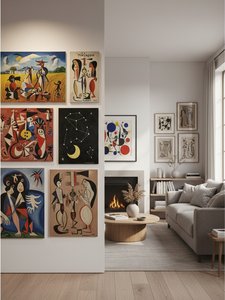
Entdecken Sie die Top 25 Gemälde von Joan Miró! Tauchen Sie ein in die Welt des Surrealismus, abstrakter Kunst & katalanischer Farben. Hochwertige Kunstdrucke & Reproduktionen für Ihr Zuhause – jetzt auf Most-Famous-Paintings.com!

Explore the captivating world of Surrealism with Most-Famous-Paintings. Discover its origins, key artists like Dalí & Ernst, and enduring influence on art history. High-quality reproductions available.

Entdecken Sie die 10 prägendsten Meisterwerke des Surrealismus! Von Dalí bis Magritte – erfahren Sie die Geschichten hinter ikonischen Gemälden und lassen Sie sich von Traumlandschaften & abstrakter Kunst inspirieren. Kunstdrucke in Museumsqualiät auf Most-Famous-Paintings.com.
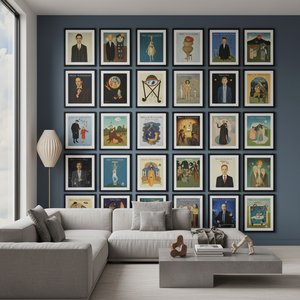
Entdecken Sie die 25 ikonischsten Gemälde von René Magritte! Tauchen Sie ein in die surreale Welt des belgischen Künstlers – von 'Der verlorene Jockey' bis 'Golconda'. Hochwertige Reproduktionen & Kunst für Ihr Zuhause auf Most-Famous-Paintings.com.


Bleiben Sie über die neuesten Kunstnachrichten, exklusive Angebote und Dekorationsideen auf dem Laufenden.
Erzählen Sie uns von Ihrem Projekt und unsere Kunstexperten erstellen für Sie 3 personalisierte Kunstvorschläge.
Wir kuratieren 3 Optionen exklusiv für Sie – kostenlos!


 Teilen


 Weiterlesen







 Die Glasoption ist nur in Größen unter 110 cm verfügbar.