x


 Druck bestellen Bild kaufen
 Versenden
 Details anzeigen
 Zu Favoriten hinzufügen
 Herunterladen
 Ähnliche Objekte
 Röntgenaufnahme
 Diashow anzeigen
Handgemaltes Ölgemälde auf Leinwand in Ihrer Wunschgröße und mit Rahmen, auf Bestellung von unseren Künstlern angefertigt.





























Wählen Sie aus unseren vordefinierten Größen, die den ursprünglichen Proportionen des Kunstwerks entsprechen.

Sie können Ihre eigenen Maße eingeben, um einen bestimmten Rahmen oder Platz auszufüllen. Wenn die gewählte Größe nicht den Proportionen des Originalbildes entspricht, werden wir das Kunstwerk entweder beschneiden oder das Gemälde durch zusätzliche, handgemalte Elemente erweitern. Ein digitales Mockup wird Ihnen zur Genehmigung zugesandt, bevor die Produktion beginnt.
Bitte beachten Sie, dass die Bildschirmvorschau nicht die tatsächliche Beschneidung oder Erweiterung widerspiegelt. Nur das Mockup zeigt die endgültige Komposition exakt an.
Obwohl Sondermaße verfügbar sind, empfehlen wir, eine Größe aus der vordefinierten Liste zu wählen, um die ursprünglichen Proportionen beizubehalten.
Weltweiter Versand () in nur 3 bis 4 Wochen statt der üblichen 5 Wochen. (23 Juli). Keine Kompromisse bei der Qualität.


untitled (9522)
Größe der Reproduktion
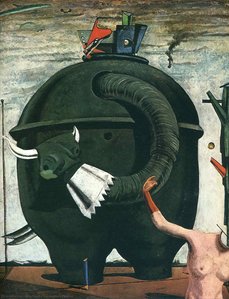
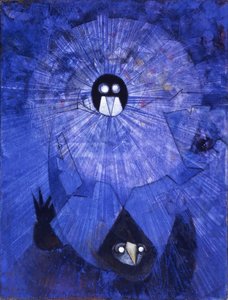
Max Ernst's "Untitled (9522)" is more than just a depiction of a beach scene; it’s an immersion into the subconscious, a meticulously crafted exploration of the surreal. Painted in 1943, during a period of intense artistic experimentation for the German-born artist, this work exemplifies Ernst’s core approach to Surrealism – not simply mimicking dreams, but actively constructing them through a deliberate process of association and disruption.
Understanding “Untitled (9522)” requires acknowledging the profound intellectual currents that shaped Max Ernst’s artistic vision. Born in 1891 in Brühl, Germany, Ernst was a voracious reader and student of philosophy, psychology, and art history – disciplines he pursued with an almost obsessive intensity. His academic background at Bonn University, where he studied under figures like Freud and Jung, profoundly influenced his approach to art. He wasn’t interested in merely representing the external world; instead, he sought to unlock the hidden realities residing within the human psyche. This pursuit led him to explore automatism – a technique of spontaneous creation without conscious control – as a means of accessing the unconscious mind.
The painting’s symbolism is deliberately ambiguous, inviting multiple interpretations. The birds, frequently associated with freedom and spirituality in art history, here seem trapped within their flight, perhaps reflecting the anxieties of wartime Europe. The shell, a recurring motif in Ernst's work, can be seen as representing both fragility and the remnants of the past. The beach itself – a liminal space between land and sea – further amplifies this sense of unease and transition. Ernst’s intention was to evoke a feeling of disorientation and psychological tension, prompting viewers to confront their own subconscious fears and desires.
"Untitled (9522)" was created during World War II, a period of immense upheaval and uncertainty. This context undoubtedly informs the painting’s unsettling atmosphere. Max Ernst’s work, particularly during this time, became increasingly preoccupied with themes of displacement, loss, and the fragility of human existence. His contribution to Surrealism extended beyond mere aesthetic experimentation; he was a pioneer in challenging conventional notions of reality and exploring the darker recesses of the human mind. His influence continues to resonate within contemporary art, solidifying his position as one of the 20th century’s most innovative and enduring artists.

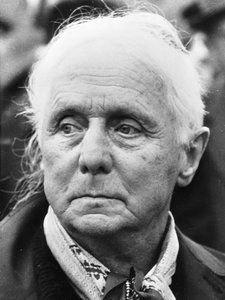
1891 - 1976 , Deutschland

Entdecken Sie die 10 Meisterwerke des Surrealismus & Expressionismus! Erfahren Sie die Geschichten hinter Dalí, Magritte und mehr. Hochwertige Kunstdrucke für Ihr Zuhause – jetzt auf Most-Famous-Paintings.com entdecken.

Entdecken Sie die Welt der Vintage-Kunst mit ! Hochwertige Reproduktionen, individuelle Gemälde & professionelle Kunstberatung für Ihr Zuhause. Jetzt bestellen!
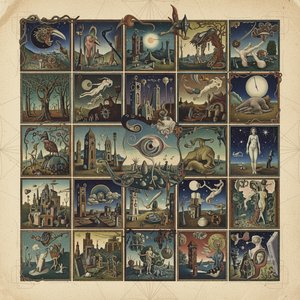
Entdecken Sie die 25 bedeutendsten Kunstwerke von Max Ernst! Tauchen Sie ein in die Welt des Surrealismus, Dada und abstrakter Malerei. Hochwertige Kunstreproduktionen & Inspiration für Ihr Zuhause bei Most-Famous-Paintings.com.

Explore the captivating world of Surrealism with Most-Famous-Paintings. Discover its origins, key artists like Dalí & Ernst, and enduring influence on art history. High-quality reproductions available.

Entdecken Sie die 10 prägendsten Meisterwerke des Surrealismus! Von Dalí bis Magritte – erfahren Sie die Geschichten hinter ikonischen Gemälden und lassen Sie sich von Traumlandschaften & abstrakter Kunst inspirieren. Kunstdrucke in Museumsqualiät auf Most-Famous-Paintings.com.


Bleiben Sie über die neuesten Kunstnachrichten, exklusive Angebote und Dekorationsideen auf dem Laufenden.
Erzählen Sie uns von Ihrem Projekt und unsere Kunstexperten erstellen für Sie 3 personalisierte Kunstvorschläge.
Wir kuratieren 3 Optionen exklusiv für Sie – kostenlos!


 Teilen


 Weiterlesen







 Die Glasoption ist nur in Größen unter 110 cm verfügbar.