x

 Druck bestellen Bild kaufen
 Versenden
 Details anzeigen
 Zu Favoriten hinzufügen
 Herunterladen
 Ähnliche Objekte
 Röntgenaufnahme
 Diashow anzeigen
 Oil On CanvasWallArtEarly Netherlandish Painting
 1491Renaissance
 205.0 x 75.0 cm
 Museum für Kunst und Kulturgedichte
Handgemaltes Ölgemälde auf Leinwand in Ihrer Wunschgröße und mit Rahmen, auf Bestellung von unseren Künstlern angefertigt.





























Wählen Sie aus unseren vordefinierten Größen, die den ursprünglichen Proportionen des Kunstwerks entsprechen.

Sie können Ihre eigenen Maße eingeben, um einen bestimmten Rahmen oder Platz auszufüllen. Wenn die gewählte Größe nicht den Proportionen des Originalbildes entspricht, werden wir das Kunstwerk entweder beschneiden oder das Gemälde durch zusätzliche, handgemalte Elemente erweitern. Ein digitales Mockup wird Ihnen zur Genehmigung zugesandt, bevor die Produktion beginnt.
Bitte beachten Sie, dass die Bildschirmvorschau nicht die tatsächliche Beschneidung oder Erweiterung widerspiegelt. Nur das Mockup zeigt die endgültige Komposition exakt an.
Obwohl Sondermaße verfügbar sind, empfehlen wir, eine Größe aus der vordefinierten Liste zu wählen, um die ursprünglichen Proportionen beizubehalten.
Weltweiter Versand () in nur 3 bis 4 Wochen statt der üblichen 5 Wochen. (18 Juli). Keine Kompromisse bei der Qualität.


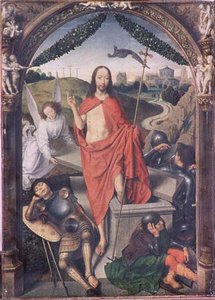
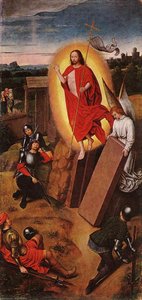
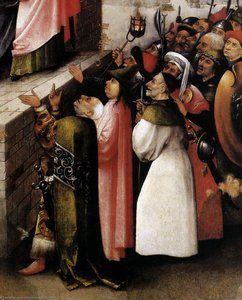
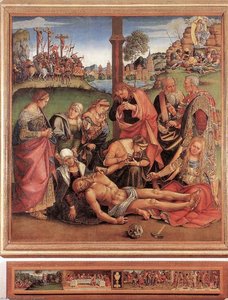
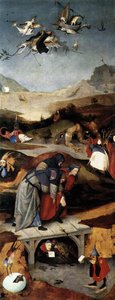
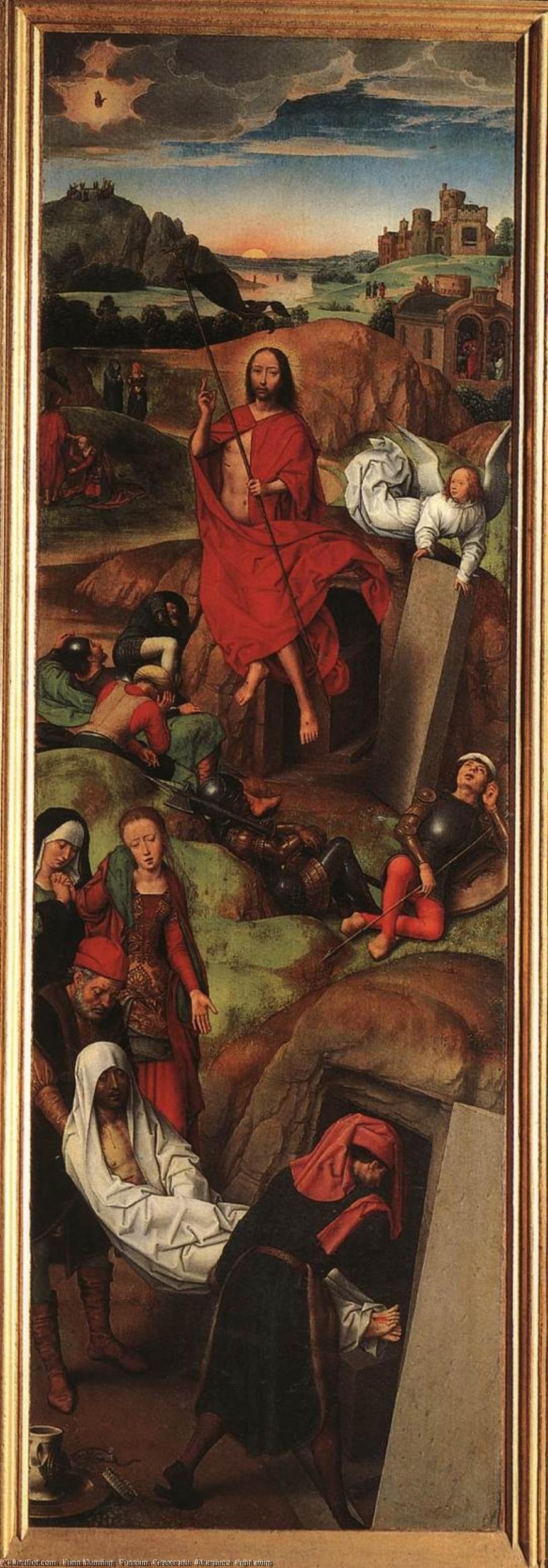
Passion (Greverade) Altarpiece (right wing)
Größe der Reproduktion
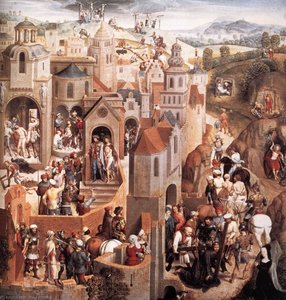
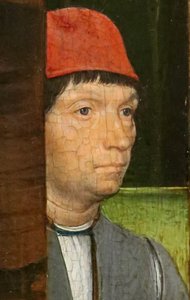
Most-Famous-Paintings.com presents a breathtaking hand-painted reproduction of Hans Memling’s “Passion (Greverade) Altarpiece” – specifically, the right wing panel from this monumental devotional work. Completed in 1491, this piece offers an unparalleled glimpse into the artistic and spiritual landscape of early 15th-century Bruges, a city then at the heart of European trade and religious patronage. Measuring 205 x 75 cm, the scale invites contemplation, drawing the viewer into the intensely emotional scene depicted.
This particular panel captures a pivotal moment within the Passion narrative – the crucifixion of Christ. Memling masterfully portrays Jesus on the cross, his body rendered with an almost sculptural realism that speaks to his deep understanding of human anatomy and emotion. The figures surrounding the cross are not merely observers; they are participants in this profound act of suffering and sacrifice. Their postures—some standing in horrified reverence, others offering gestures of comfort—evoke a palpable sense of grief and devotion. The inclusion of two horses, strategically placed within the background, adds to the dramatic intensity of the scene, hinting at the Roman Empire’s role in Christ's demise.
Hans Memling was a true master of the Early Netherlandish style, renowned for his meticulous attention to detail and his ability to imbue his paintings with profound spiritual meaning. Trained under Rogier van der Weyden, Memling inherited a legacy of technical brilliance, particularly in the use of oil paint – a relatively new medium at the time that allowed for unprecedented levels of realism and luminosity. Notice the subtle gradations of color, the delicate rendering of fabrics, and the precise modeling of forms. These elements combine to create an image of astonishing depth and texture. The painting’s surface is treated with a glazing technique, building up layers of translucent paint to achieve a rich, jewel-like quality.
Key Techniques:The “Passion (Greverade) Altarpiece” was commissioned for the Greverade Chapel in Bruges, a testament to the city's wealth and devotion. The altarpiece reflects the broader religious fervor of the late medieval period, when pilgrimages, relics, and devotional art played a central role in European life. The scene itself is laden with symbolism – the cross representing sacrifice and redemption, the figures embodying faith, sorrow, and compassion. Memling’s work aligns perfectly with the artistic trends of Bruges during this time, a city that became a major center for religious art production, attracting artists from across Europe.
Historical Context:This hand-painted reproduction captures the essence of Memling’s masterpiece, offering an authentic representation of this powerful religious scene. It's more than just a print; it's a work of art in its own right, imbued with the same emotional depth and spiritual resonance as the original. Perfect for adorning a chapel, a study, or any space where contemplation and reverence are valued, this reproduction is an investment in beauty, history, and enduring artistic legacy.

Deutschland

Entdecken Sie die 25 berühmtesten Kunstwerke des Metropolitan Museum of Art, New York! Von Van Gogh bis Monet – erleben Sie Geschichten hinter Meisterwerken. Hochwertige Reproduktionen & Inspiration für Ihr Zuhause auf Most-Famous-Paintings.com.

Entdecken Sie die 10 prägendsten Meisterwerke der Frühniederländischen Malerei! Von Jan van Eyck bis Rogier van der Weyden – erleben Sie Kunstgeschichte hautnah. Hochwertige Reproduktionen & Inspiration für Ihr Interieur auf Most-Famous-Paintings.com.
Entdecken Sie die 25 Meisterwerke von James Abbott McNeill Whistler! Von den berühmten Nocturnes bis zu ikonischen Porträts – erleben Sie Ästhetizismus, Impressionismus & Tonalismus. Hochwertige Reproduktionen auf Most-Famous-Paintings.com.
Entdecken Sie die 25 Meisterwerke von Henri Matisse! Tauchen Sie ein in die Welt des Fauvismus, der leuchtenden Farben und ikonischen Formen. Kunstreproduktionen & Inspiration für Ihr Zuhause – exklusiv auf Most-Famous-Paintings.com.
Entdecken Sie die 25 ikonischsten Meisterwerke der National Gallery Washington! Von Cézanne bis Picasso – erfahren Sie die Geschichten hinter berühmten Gemälden, Kunststilen & Farbpaletten. Hochwertige Kunstdrucke online bei Most-Famous-Paintings.com.


Bleiben Sie über die neuesten Kunstnachrichten, exklusive Angebote und Dekorationsideen auf dem Laufenden.
Erzählen Sie uns von Ihrem Projekt und unsere Kunstexperten erstellen für Sie 3 personalisierte Kunstvorschläge.
Wir kuratieren 3 Optionen exklusiv für Sie – kostenlos!


 Teilen

 Weiterlesen







 Die Glasoption ist nur in Größen unter 110 cm verfügbar.