x

 Preview
 Druck bestellen Bild kaufen
 Versenden
 Details anzeigen
 Zu Favoriten hinzufügen
 Herunterladen
 Ähnliche Objekte
 Röntgenaufnahme
 Diashow anzeigen
Handgemaltes Ölgemälde auf Leinwand in Ihrer Wunschgröße und mit Rahmen, auf Bestellung von unseren Künstlern angefertigt.





























Wählen Sie aus unseren vordefinierten Größen, die den ursprünglichen Proportionen des Kunstwerks entsprechen.

Sie können Ihre eigenen Maße eingeben, um einen bestimmten Rahmen oder Platz auszufüllen. Wenn die gewählte Größe nicht den Proportionen des Originalbildes entspricht, werden wir das Kunstwerk entweder beschneiden oder das Gemälde durch zusätzliche, handgemalte Elemente erweitern. Ein digitales Mockup wird Ihnen zur Genehmigung zugesandt, bevor die Produktion beginnt.
Bitte beachten Sie, dass die Bildschirmvorschau nicht die tatsächliche Beschneidung oder Erweiterung widerspiegelt. Nur das Mockup zeigt die endgültige Komposition exakt an.
Obwohl Sondermaße verfügbar sind, empfehlen wir, eine Größe aus der vordefinierten Liste zu wählen, um die ursprünglichen Proportionen beizubehalten.
Weltweiter Versand () in nur 3 bis 4 Wochen statt der üblichen 5 Wochen. (25 Juli). Keine Kompromisse bei der Qualität.


Buttoner
Größe der Reproduktion
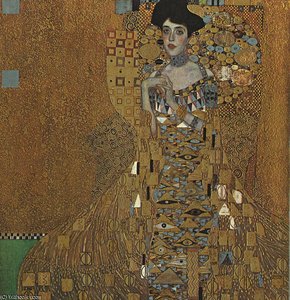
To stand before Nicholas Roerich’s Buttoner is to step through a veil into a world where the mundane brushes against the deeply symbolic. This painting, executed in 1912, captures more than just a man holding spoons; it presents a tableau rich with narrative suggestion and esoteric meaning. The central figure, commanding attention on the left, possesses an air of quiet dignity, framed by his hat and beard. His posture, coupled with the unusual props—the two prominent spoons held in each hand, alongside what appears to be a pipe or stick—invites immediate contemplation from the viewer. Roerich, whose life was a magnificent tapestry woven from art, archaeology, and philosophy, never painted without embedding layers of meaning into his compositions.
The objects within Buttoner seem almost as important as the man himself. The spoons, for instance, are not merely utensils; they become potent symbols, perhaps alluding to sustenance, ritual, or even the passage of time itself when viewed alongside the visible clock in the upper middle ground. Roerich often imbued his subjects with a sense of timelessness, making everyday items resonate with profound significance. Furthermore, the background elements—the three watchful birds perched at various points—add an avian chorus to the scene's silent drama. These birds, ever present in art history as messengers or guides, seem to observe the man’s quiet contemplation, suggesting that the subject is under a gentle, yet persistent, scrutiny from nature itself.
While the specific medium details are part of its enduring mystery, Roerich's technique in this period showcases his mastery of blending academic structure with visionary fervor. The application of paint allows for both crisp detail—visible in the man’s attire or the clock face—and a softer, almost dreamlike quality to the background elements. This juxtaposition keeps the viewer engaged, oscillating between the tangible reality of the portrait and the ethereal suggestions floating just beyond the frame's edge. It is this careful balance that makes reproductions of his work so captivating for interior design; they bring an intellectual depth to a room without overwhelming it.
Painted in 1912, this piece emerges from a period of immense cultural ferment leading up to the seismic shifts of the early twentieth century. Roerich himself was a man deeply concerned with culture's preservation amidst upheaval. Owning or displaying a reproduction of Buttoner is therefore not just acquiring art; it is curating a piece of intellectual history. It speaks to an era when the boundaries between science, spirituality, and fine art were fluid. For the collector or designer, this painting offers a focal point that suggests depth, contemplation, and a connection to enduring human narratives.


1874 - 1947 , Russland
Entdecken Sie die 25 ikonischsten Meisterwerke der National Gallery Washington! Von Cézanne bis Picasso – erfahren Sie die Geschichten hinter berühmten Gemälden, Kunststilen & Farbpaletten. Hochwertige Kunstdrucke online bei Most-Famous-Paintings.com.

Entdecken Sie die 25 berühmtesten Kunstwerke des Metropolitan Museum of Art, New York! Von Van Gogh bis Monet – erleben Sie Geschichten hinter Meisterwerken. Hochwertige Reproduktionen & Inspiration für Ihr Zuhause auf Most-Famous-Paintings.com.
Entdecken Sie die 25 Meisterwerke von James Abbott McNeill Whistler! Von den berühmten Nocturnes bis zu ikonischen Porträts – erleben Sie Ästhetizismus, Impressionismus & Tonalismus. Hochwertige Reproduktionen auf Most-Famous-Paintings.com.

Entdecken Sie die 10 prägendsten Meisterwerke der Frühniederländischen Malerei! Von Jan van Eyck bis Rogier van der Weyden – erleben Sie Kunstgeschichte hautnah. Hochwertige Reproduktionen & Inspiration für Ihr Interieur auf Most-Famous-Paintings.com.

Entdecken Sie die 10 bedeutendsten Kunstwerke des 19. Jahrhunderts! Von Impressionismus bis Realismus – erleben Sie die Geschichten berühmter Maler und ihre Meisterwerke. Hochwertige Reproduktionen für Ihr Zuhause auf Most-Famous-Paintings.com.


Bleiben Sie über die neuesten Kunstnachrichten, exklusive Angebote und Dekorationsideen auf dem Laufenden.
Erzählen Sie uns von Ihrem Projekt und unsere Kunstexperten erstellen für Sie 3 personalisierte Kunstvorschläge.
Wir kuratieren 3 Optionen exklusiv für Sie – kostenlos!


 Teilen


 Weiterlesen







 Die Glasoption ist nur in Größen unter 110 cm verfügbar.