x


Giclée- oder Leinwanddruck in Museumsqualität mit schneller Produktion und flexiblen Veredelungsoptionen. ( Switch to hand made Painting Switch to Image)





























Wählen Sie aus unseren vordefinierten Größen, die den ursprünglichen Proportionen des Kunstwerks entsprechen.

Sie können Ihre eigenen Maße eingeben, um ein bestimmtes Format oder einen speziellen Platz einzupassen. Wenn das von Ihnen gewählte Format nicht den Proportionen des Originalbildes entspricht, werden wir das Kunstwerk entweder beschneiden oder das Bild mit einem gespiegelten oder einfarbigen Rand erweitern. Ein digitaler Entwurf wird Ihnen zur Genehmigung zugesandt, bevor die Produktion beginnt.
Bitte beachten Sie, dass die Vorschau auf dem Bildschirm nicht den tatsächlichen Zuschnitt oder die Erweiterung widerspiegelt. Nur der Entwurf zeigt die endgültige Komposition präzise an.
Obwohl Sondermaße verfügbar sind, empfehlen wir die Auswahl eines Maßes aus der vordefinierten Liste, um die ursprünglichen Proportionen zu bewahren.
Weltweiter Versand () innerhalb von 2 Wochen statt der üblichen 4/5 Wochen. (29 Juli)


Tischlerle
Größe der Reproduktion
Pierre-Auguste Renoir’s “Pitcher” isn't merely a depiction of a ceramic vessel; it’s a carefully constructed tableau vivant, a frozen moment brimming with warmth and an almost palpable sense of domestic tranquility. Painted in the heart of Impressionism – a movement defined by its focus on capturing fleeting light and the subjective experience of perception – this work embodies Renoir’s signature style: a celebration of beauty found in the commonplace. The painting immediately draws the eye to the vase itself, a simple yet elegant form rendered with a remarkable sensitivity to texture and color. Notice how Renoir doesn't strive for photographic realism; instead, he employs loose, broken brushstrokes – a hallmark of Impressionism – to suggest the curves of the ceramic, the delicate sheen of its glaze, and the subtle variations in light reflecting off its surface.
The muted palette—primarily browns, ochres, and hints of green—creates an atmosphere of quiet intimacy. These earthy tones are not drab; they’re infused with a remarkable luminosity, achieved through Renoir's masterful manipulation of color. He doesn’t simply apply paint; he layers it, allowing the colors to blend and mingle on the canvas, creating a sense of depth and movement. The flowers, strategically placed – one at the top left, another at the bottom right, and two clustered towards the center – aren’t merely decorative elements; they act as focal points, drawing the eye through the composition and adding a touch of vibrant life to the scene. The inclusion of these blooms speaks to Renoir's enduring fascination with nature and his ability to capture its ephemeral beauty.
To understand “Pitcher,” it’s crucial to consider Renoir’s artistic journey. Born in Limoges, a provincial town known for its porcelain production, he initially trained as a painter of ceramics – a practical skill that instilled in him an appreciation for form and texture. This early experience undoubtedly influenced his later work, particularly his meticulous attention to detail and his ability to render the subtle nuances of surface materials. However, it was his move to Paris, a city teeming with artistic innovation, that truly ignited his creative spirit. The bustling streets, the vibrant cafes, and the diverse cast of characters became the inspiration for much of his oeuvre.
Renoir’s time in Paris coincided with the rise of Impressionism, a movement that challenged traditional academic painting conventions. Artists like Monet, Degas, and Pissarro sought to capture the fleeting effects of light and atmosphere, often working outdoors (“en plein air”) to directly observe their subjects. Renoir embraced this approach, experimenting with new techniques and challenging established notions of beauty. “Pitcher” exemplifies this shift – it’s not a meticulously rendered portrait or a grand historical scene; it's a quiet meditation on the simple pleasures of everyday life.
Beyond its technical brilliance, “Pitcher” is rich in symbolic meaning. The vase itself can be interpreted as a symbol of domesticity and abundance – a vessel for nourishment and celebration. The flowers represent beauty, fragility, and the transient nature of life. The warm, inviting light that bathes the scene evokes feelings of comfort, serenity, and nostalgia. Renoir wasn’t simply painting an object; he was capturing a mood, an atmosphere, a feeling.
Consider the composition: the vase placed on a table suggests a sense of stability and permanence, while the flowers represent the fleeting beauty of nature. The overall effect is one of harmonious balance – a testament to Renoir’s ability to capture the essence of his subject matter with remarkable grace and sensitivity. It's a painting that invites contemplation, prompting us to appreciate the simple joys of life and the enduring power of art to evoke emotion.
Most-Famous-Paintings offers exquisite hand-painted reproductions of “Pitcher,” allowing you to bring this iconic Impressionist masterpiece into your home or office. Our skilled artists meticulously recreate Renoir’s delicate brushstrokes and vibrant colors, ensuring that every detail is faithfully reproduced. Whether you're an art collector, a design enthusiast, or simply someone who appreciates beauty, our reproductions provide a stunning way to experience the magic of Renoir’s vision. Explore our range of sizes and framing options to find the perfect addition to your collection – a timeless piece of art that will grace your space for generations to come.

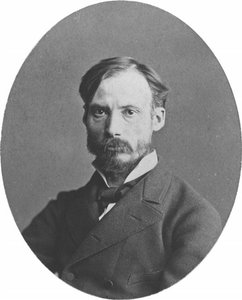
1841 - 1919 , Frankreich

Explore the captivating world of Bernard Cathelin, a master of French Poetic Realism. Discover his stunning still lifes & landscapes, and learn about his legacy with Most-Famous-Paintings.

Verleihen Sie Ihrem Restaurant einen einzigartigen Charakter! Most-Famous-Paintings kreiert handgemalte Stillleben, die Ihre kulinarische Leidenschaft widerspiegeln. Exklusive Kunst für höchste Ansprüche – entdecken Sie Ihr persönliches Meisterwerk.

Explore the rich history of still life painting & the symbolism of fruit across art movements. Discover masterpieces from Caravaggio to Cézanne with Most-Famous-Paintings – expert guidance & museum-quality reproductions.

Explore the rich history & symbolism of still life painting with Most-Famous-Paintings. Discover masterpieces from the Dutch Golden Age, learn about vanitas art, and find expert guidance for collecting timeless artworks.

Explore the captivating world of Severin Roesen, a major American still life painter influenced by Dutch masters. Discover his lush compositions and the symbolism within his art – a window into 19th-century America.


Bleiben Sie über die neuesten Kunstnachrichten, exklusive Angebote und Dekorationsideen auf dem Laufenden.
Erzählen Sie uns von Ihrem Projekt und unsere Kunstexperten erstellen für Sie 3 personalisierte Kunstvorschläge.
Wir kuratieren 3 Optionen exklusiv für Sie – kostenlos!


 Preview
 Versenden
 Teilen
 Details anzeigen

 Herunterladen
 Ähnliche Objekte
 Röntgenaufnahme
 Diashow anzeigen
 Weiterlesen







 Die Glasoption ist nur in Größen unter 110 cm verfügbar.