x

 Öl auf LeinwandWandkunstEarly Netherlandish Painting
 1445
1445 57.0 x 36.0 cm
 Museum der bildenden Künste
Handgemaltes Ölgemälde auf Leinwand in Ihrer Wunschgröße und mit Rahmen, auf Bestellung von unseren Künstlern angefertigt. ( Zum Druck wechseln Zum Bild wechseln)





























Wählen Sie aus unseren vordefinierten Formaten, die den ursprünglichen Proportionen des Kunstwerks entsprechen.

Sie können Ihre eigenen Maße eingeben, um einen bestimmten Rahmen oder Platz auszufüllen. Wenn die gewählte Größe nicht den Proportionen des Originalbildes entspricht, werden wir das Kunstwerk entweder beschneiden oder das Gemälde durch zusätzliche, handgemalte Elemente erweitern. Ein digitales Mockup wird Ihnen zur Genehmigung zugesandt, bevor die Produktion beginnt.
Bitte beachten Sie, dass die Bildschirmvorschau nicht die tatsächliche Beschneidung oder Erweiterung widerspiegelt. Nur das Mockup zeigt die endgültige Komposition exakt an.
Obwohl Sondermaße verfügbar sind, empfehlen wir, eine Größe aus der vordefinierten Liste zu wählen, um die ursprünglichen Proportionen beizubehalten.
Weltweiter Versand () in nur 3 bis 4 Wochen statt der üblichen 5 Wochen. (11 August). Keine Kompromisse bei der Qualität.


Besichtigung
Format der Reproduktion
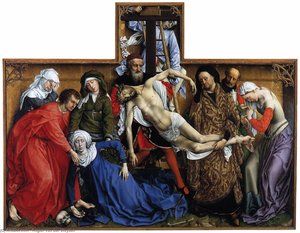
Rogier van der Weyden’s “Visitation,” painted in 1445, is more than just a depiction of the biblical story; it's a profound meditation on motherhood, faith, and the quiet power of human connection. This intimate scene, rendered with an almost unsettling level of realism, transports us directly into the heart of Mary’s visit to Elizabeth – a pivotal moment in Christian scripture. The painting, measuring 57 x 36 cm, is a testament to van der Weyden's mastery of Early Netherlandish art and his ability to infuse religious narrative with deeply felt emotion.
Born in Tournai around 1400, Rogier van der Weyden’s artistic journey began not with brushes and pigments, but with the meticulous craft of a goldsmith. This early training profoundly shaped his approach to painting. The precision required for working with precious metals – shaping gold, polishing gemstones, creating intricate designs – instilled in him an unparalleled attention to detail, a reverence for texture, and a deep understanding of light and shadow. This background is strikingly evident in “Visitation.” Observe the incredibly realistic rendering of Mary’s crimson robe, the delicate folds of Elizabeth's garments, and the subtle variations in skin tone. Van der Weyden didn’t simply paint; he sculpted with color, building up layers of glaze to achieve a luminous quality that seems to emanate from within the figures themselves. The use of *sfumato*, a technique borrowed from Renaissance masters, subtly softens edges and creates an atmospheric depth, drawing the viewer into the scene.
The painting is rich in symbolic detail, each element carefully chosen to convey deeper meaning. The central figures of Mary and Elizabeth are not merely portraying a biblical event; they represent two generations of faith, the promise of salvation embodied in both women. Mary’s vibrant red robe symbolizes royalty and divine grace, while Elizabeth's simpler attire speaks to her humility and piety. The presence of the infant John the Baptist, nestled securely within Elizabeth’s arms, is a potent symbol of hope and anticipation – he will eventually prepare the way for Jesus. Even the birds soaring above the scene are laden with significance; they represent the Holy Spirit, a messenger connecting the two women across time and space. The three potted plants, strategically placed throughout the composition, add an element of earthly beauty and fertility to this heavenly encounter.
“Visitation” is remarkable for its ability to evoke a powerful emotional response. Van der Weyden masterfully captures the quiet intimacy of the moment, conveying a sense of profound respect and mutual understanding between Mary and Elizabeth. The subtle glances exchanged, the gentle gestures – all contribute to an atmosphere of warmth and serenity. The painting’s realism is not cold or detached; rather, it serves to heighten our empathy for these biblical figures, allowing us to connect with their experience on a deeply personal level. It's this ability to translate religious narrative into human emotion that has ensured “Visitation” remains one of the most beloved and enduring works of Early Netherlandish art. A reproduction offers a remarkable opportunity to bring this masterpiece into your home, capturing its exquisite detail and profound emotional resonance for generations to come.

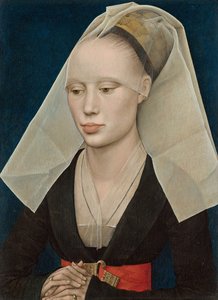
1400 - 1464 , Belgien

Entdecken Sie die 10 prägendsten Meisterwerke der Frühniederländischen Renaissance! Erfahren Sie mehr über Jan van Eyck, Rogier van der Weyden & Co. und ihre ikonischen Gemälde. Hochwertige Reproduktionen für Ihr Zuhause – jetzt auf Most-Famous-Paintings.com!
Entdecken Sie die Top 25 Gemälde von Vincent van Gogh! Erleben Sie die Geschichten hinter Sternennacht, Sonnenblumen & mehr. Hochwertige Van Gogh Reproduktionen für Ihr Zuhause – jetzt auf Most-Famous-Paintings.com!

Entdecken Sie die 10 prägendsten Meisterwerke der Frühniederländischen Malerei! Von Jan van Eyck bis Rogier van der Weyden – erleben Sie Kunstgeschichte hautnah. Hochwertige Reproduktionen & Inspiration für Ihr Interieur auf Most-Famous-Paintings.com.

Entdecken Sie Rogier van der Weydens revolutionäre Kunst! Erfahren Sie mehr über seine Technik, ikonische Werke und den Einfluss der Frührenaissance auf die niederländische Malerei. Expertenanalyse & tiefe Einblicke.

Entdecken Sie die revolutionäre Kunst von Hugo van der Goes! Tiefgründige Analyse seiner Werke, bahnbrechende Technik und bleibender Einfluss auf die frühe niederländische Malerei. Für Kunstexperten & Sammler.


Bleiben Sie über die neuesten Kunstnachrichten, exklusive Angebote und Dekorationsideen auf dem Laufenden.
Erzählen Sie uns von Ihrem Projekt, und unsere Kunstexperten erstellen für Sie drei personalisierte Kunstvorschläge.
Wir kuratieren 3 Optionen exklusiv für Sie – kostenlos!


 Vorschau anzeigen
 Versenden
 Teilen
 Details anzeigen

 Herunterladen
 Ähnliche Objekte
 Röntgenaufnahme
 Diashow
 Weiterlesen







 Die Glasoption ist nur für Größen unter 110 cm verfügbar.