x

 Preview
 Gemälde kaufen Bild kaufen
 Versenden
 Details anzeigen
 Zu Favoriten hinzufügen
 Herunterladen
 Ähnliche Objekte
 Röntgenaufnahme
 Diashow anzeigen
Giclée- oder Leinwanddruck in Museumsqualität mit schneller Produktion und flexiblen Veredelungsoptionen.





























Wählen Sie aus unseren vordefinierten Größen, die den ursprünglichen Proportionen des Kunstwerks entsprechen.

Sie können Ihre eigenen Maße eingeben, um ein bestimmtes Format oder einen speziellen Platz einzupassen. Wenn das von Ihnen gewählte Format nicht den Proportionen des Originalbildes entspricht, werden wir das Kunstwerk entweder beschneiden oder das Bild mit einem gespiegelten oder einfarbigen Rand erweitern. Ein digitaler Entwurf wird Ihnen zur Genehmigung zugesandt, bevor die Produktion beginnt.
Bitte beachten Sie, dass die Vorschau auf dem Bildschirm nicht den tatsächlichen Zuschnitt oder die Erweiterung widerspiegelt. Nur der Entwurf zeigt die endgültige Komposition präzise an.
Obwohl Sondermaße verfügbar sind, empfehlen wir die Auswahl eines Maßes aus der vordefinierten Liste, um die ursprünglichen Proportionen zu bewahren.
Weltweiter Versand () innerhalb von 2 Wochen statt der üblichen 4/5 Wochen. (23 Juli)


Der Kuss
Größe der Reproduktion
Roy Lichtenstein’s “The Kiss” from 1962 isn't merely a depiction of romantic intimacy; it’s a carefully constructed detonation of the burgeoning Pop Art movement. This painting, born from the anxieties and vibrant energy of post-war America, transcends simple representation to become a potent commentary on consumer culture, mass media, and the very definition of art itself. Lichtenstein, a key figure in this revolutionary style, deliberately stripped away traditional notions of beauty and elevated the commonplace – comic book panels, advertising imagery, even the mundane details of everyday life – to the level of high art.
The scene unfolds with startling clarity: a man, clad in a dark tie, leans down to embrace a woman. The figures are rendered in Lichtenstein’s signature style—bold outlines, flat planes of color, and a meticulous attention to detail borrowed directly from commercial printing techniques. This deliberate flattening of perspective, reminiscent of Ben-Day dots used in comic books, creates an immediate sense of immediacy and accessibility. It's as if we're peering through a window into a snapshot of modern life, devoid of the romantic haze often associated with traditional depictions of love.
Lichtenstein’s palette is deliberately restrained – primarily reds, yellows, and blues—a direct nod to the vibrant colors found in advertising and comic strips. These primary hues aren't used for expressive effect; instead, they are deployed with a calculated precision, echoing the mechanical processes of industrial production. The three clocks strategically placed within the composition add another layer of meaning. They represent not just time, but also the relentless march of modernity, the pressure to be productive, and perhaps even the fleeting nature of romantic moments. The tie itself, a symbol of professional life and conformity, subtly juxtaposes with the passionate embrace below, highlighting the tension between personal desire and societal expectations.
“The Kiss” is deeply rooted in the context of the Pop Art movement, which emerged in the mid-1950s as a reaction against Abstract Expressionism’s perceived elitism. Artists like Lichtenstein sought to break down the barriers between “high” and “low” culture, drawing inspiration from sources previously considered unworthy of artistic consideration. As Lawrence Alloway famously described it, Pop Art wasn't "American painting," but rather "industrial painting"—a reflection of a society increasingly shaped by mass production and consumerism. Lichtenstein’s work directly engages with this ethos, using familiar imagery to provoke thought and challenge viewers to reconsider their relationship with art and the world around them.
Despite its seemingly detached style, “The Kiss” possesses a powerful emotional resonance. The intensity of the embrace, captured in Lichtenstein’s precise lines and bold colors, speaks to the universal human desire for connection and intimacy. While the painting may appear superficially simple—a product of mass-produced imagery—it ultimately offers a surprisingly nuanced commentary on love, desire, and the complexities of modern life. It remains a significant work not only within Pop Art but also as a testament to Lichtenstein’s innovative approach to artmaking and his enduring influence on contemporary artists. A high-quality reproduction of “The Kiss” by Roy Lichtenstein is more than just a decorative piece; it's an invitation to engage with the spirit of a transformative artistic movement.


1923 - 1997 , Vereinigte Staaten von Amerika
Entdecken Sie die 25 ikonischsten Meisterwerke von Roy Lichtenstein! Tauchen Sie ein in die Welt der Pop Art, lernen Sie die Geschichten hinter den berühmten Gemälden und finden Sie perfekte Kunstreproduktionen für Ihr Zuhause. Jetzt auf Most-Famous-Paintings.com entdecken!
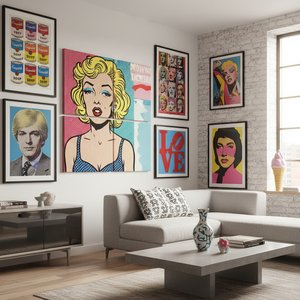
Entdecken Sie die 10 Meisterwerke der Pop Art! Von Warhol bis Lichtenstein – erfahren Sie die Geschichten hinter ikonischen Gemälden, Techniken & Farben. Museumsgalerie-Qualität bei entdecken.

Entdecken Sie die 25 berühmtesten Kunstwerke des Metropolitan Museum of Art, New York! Von Van Gogh bis Monet – erleben Sie Geschichten hinter Meisterwerken. Hochwertige Reproduktionen & Inspiration für Ihr Zuhause auf Most-Famous-Paintings.com.

Entdecken Sie Roy Lichtensteins revolutionäre Pop Art! Expertenanalyse, Investitionspotenziale & Hintergrundinformationen für Kunstsammler. Seit 2004 Ihr Partner für hochwertige Reproduktionen und individuelle Kunstberatung.

Explore the fascinating history of Pop Art, from its rebellious origins to its enduring influence on contemporary artists. Discover key figures like Warhol & Lichtenstein and learn about collecting this iconic movement.


Bleiben Sie über die neuesten Kunstnachrichten, exklusive Angebote und Dekorationsideen auf dem Laufenden.
Erzählen Sie uns von Ihrem Projekt und unsere Kunstexperten erstellen für Sie 3 personalisierte Kunstvorschläge.
Wir kuratieren 3 Optionen exklusiv für Sie – kostenlos!


 Teilen


 Weiterlesen







 Die Glasoption ist nur in Größen unter 110 cm verfügbar.