x

 Druck bestellen Bild kaufen
 Versenden
 Details anzeigen
 Zu Favoriten hinzufügen
 Herunterladen
 Ähnliche Objekte
 Röntgenaufnahme
 Diashow anzeigen
Handgemaltes Ölgemälde auf Leinwand in Ihrer Wunschgröße und mit Rahmen, auf Bestellung von unseren Künstlern angefertigt.





























Wählen Sie aus unseren vordefinierten Größen, die den ursprünglichen Proportionen des Kunstwerks entsprechen.

Sie können Ihre eigenen Maße eingeben, um einen bestimmten Rahmen oder Platz auszufüllen. Wenn die gewählte Größe nicht den Proportionen des Originalbildes entspricht, werden wir das Kunstwerk entweder beschneiden oder das Gemälde durch zusätzliche, handgemalte Elemente erweitern. Ein digitales Mockup wird Ihnen zur Genehmigung zugesandt, bevor die Produktion beginnt.
Bitte beachten Sie, dass die Bildschirmvorschau nicht die tatsächliche Beschneidung oder Erweiterung widerspiegelt. Nur das Mockup zeigt die endgültige Komposition exakt an.
Obwohl Sondermaße verfügbar sind, empfehlen wir, eine Größe aus der vordefinierten Liste zu wählen, um die ursprünglichen Proportionen beizubehalten.
Weltweiter Versand () in nur 3 bis 4 Wochen statt der üblichen 5 Wochen. (18 Juli). Keine Kompromisse bei der Qualität.


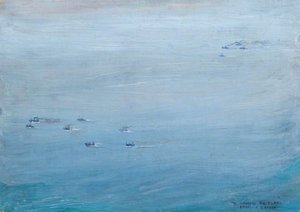
Leith
Größe der Reproduktion
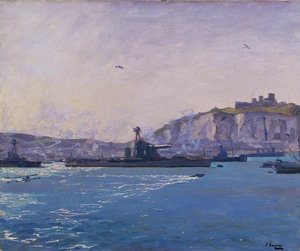
Sir John Lavery's "Leith," painted in 1917, is more than just a harbor scene; it’s a poignant snapshot of Britain during the tumultuous years of World War I. This oil-on-canvas work captures not only the bustling industrial activity of the port city but also an underlying sense of somberness and resilience – a feeling deeply embedded within the artwork's muted palette, atmospheric haze, and carefully constructed composition. Lavery, already a celebrated portraitist known for his ability to capture the spirit of Edwardian society, skillfully shifted his focus to document this pivotal moment in British history, offering us a rare glimpse into the realities faced by communities like Leith as they supported the war effort.
The painting’s composition immediately draws the eye towards the expansive water surface, occupying nearly two-thirds of the frame. This dominant element isn't merely decorative; it establishes a sense of depth and movement, mirroring the ceaseless activity within Leith’s harbor. A carefully arranged series of ships – both large vessels and smaller boats – anchors the middle ground, creating a visual pathway that guides the viewer through the scene. The foreground is grounded by machinery and docks, providing a tangible connection to the industrial heart of the port. Lavery's technique is distinctly Impressionistic; he employs loose brushstrokes, layering colors with remarkable subtlety to create soft transitions and an overall atmospheric effect. Visible impasto in certain areas – particularly within the foreground – adds texture and dynamism, hinting at the physicality of the scene while maintaining a sense of ethereal beauty.
The color palette is predominantly cool and muted—grays, blues, and greens dominate, reflecting the overcast skies typical of the era. These somber tones are punctuated by warmer hues in the hulls of the ships and within the foreground machinery, offering subtle points of visual interest and a hint of warmth amidst the prevailing gloom. Lavery masterfully uses light to evoke mood; the diffused illumination suggests a perpetual twilight, mirroring the anxieties and uncertainties of wartime. The high horizon line further enhances this sense of depth and distance, emphasizing the vastness of the water and sky. Beyond its aesthetic qualities, "Leith" subtly symbolizes the nation’s commitment to industry and defense – the ships represent naval power, while the machinery signifies the vital role of Leith in supplying the war effort. The overall effect is one of quiet determination.
Painted during 1917, “Leith” offers a valuable window into Britain’s wartime experience. Sir John Lavery's official war artist status meant he was tasked with documenting various aspects of the conflict, from naval operations to industrial production. This painting reflects his broader efforts to capture the spirit of the times – a period marked by both hardship and unwavering resolve. Lavery’s work during this era is particularly significant as it demonstrates his ability to move beyond traditional portraiture and engage with contemporary social issues. His artistic style, influenced by Whistler and rooted in Scottish Impressionism, allowed him to convey complex emotions and ideas through subtle color choices and atmospheric effects. Reproductions of “Leith” provide a tangible connection to this pivotal moment in British history, allowing us to appreciate Lavery’s skill as both an artist and a keen observer of his time.

Sir John Lavery RA war ein hoch angesehener irischer Maler, der für seine fesselnden Porträts und eindringlichen Darstellungen von Kriegsszenen bekannt ist. Geboren in Belfast, zeigte er früh künstlerisches Talent, besuchte die Haldane Academy in Glasgow in den 1870er Jahren und verbesserte seine Fähigkeiten weiter an der Académie Julian in Paris in den frühen 1880er Jahren.
Nach seiner Rückkehr nach Glasgow wurde Lavery mit den Künstlern der einflussreichen Glasgow School assoziiert. Ein entscheidender Moment kam 1888, als er den Auftrag erhielt, den Besuch von Königin Victoria bei der Internationalen Ausstellung in Glasgow zu malen. Dieser prestigeträchtige Auftrag startete seine Karriere als gefragter Gesellschaftsmaler und veranlasste ihn kurz darauf, nach London umzuziehen.
Wie William Orpen wurde Lavery während des Ersten Weltkriegs zum offiziellen Kriegskünstler ernannt. Aufgrund anhaltender gesundheitlicher Probleme und eines schweren Autounfalls infolge eines Zeppelin-Bombenangriffs konnte er jedoch nicht an der Westfront dienen. Stattdessen konzentrierte er sich darauf, Kriegsszenen innerhalb Großbritanniens festzuhalten und fing Boote, Flugzeuge und Luftschiffe ein.
Nach dem Krieg wurde Lavery zum Sir erhoben und 1921 in die Royal Academy aufgenommen. Sein persönliches Leben war eng mit bedeutenden historischen Ereignissen verbunden; er und seine Frau Hazel spielten eine diskrete Rolle im Irischen Unabhängigkeitskrieg und Bürgerkrieg, indem sie ihr Londoner Haus für irische Verhandlungsführer zur Verfügung stellten. Er verewigte Michael Collins mit seinem Gemälde "Michael Collins, Love of Ireland", das sich heute in der Hugh Lane Municipal Gallery befindet.
Laverys künstlerischer Stil vereinte Elemente des Impressionismus mit einem scharfen Auge für die Erfassung von Persönlichkeit und Atmosphäre. Seine Porträts werden für ihren Realismus, ihre Eleganz und ihre aufschlussreiche Darstellung des Charakters gefeiert. Er war auch ein begabter Landschafts- und Alltagsszenenmaler.
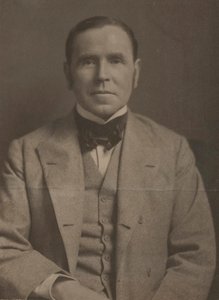
1856 - 1941 , Irland

Entdecken Sie die Top 10 Meisterwerke des Impressionismus! Von Monet bis Renoir – erfahren Sie die Geschichten hinter berühmten Gemälden, Techniken & Farben. Hochwertige Kunstdrucke auf Most-Famous-Paintings.com.

Entdecken Sie die emotionale Tiefe des Postimpressionismus! Analysieren Sie Cézanne, van Gogh, Gauguin & Seurat. Expertenwissen über Kunstgeschichte und Einfluss auf die Moderne.

Entdecken Sie die Welt des Impressionismus und Postimpressionismus! Expertenwissen über Künstler wie Monet, Van Gogh & Cézanne. Jetzt lesen!
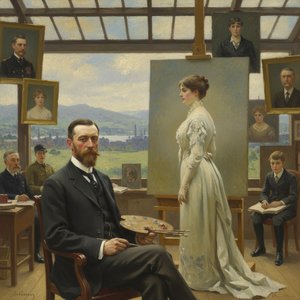
Explore the life & art of Sir John Lavery, a master of Scottish Impressionism and renowned portraitist. Discover his captivating works, Irish heritage, and lasting legacy with Most-Famous-Paintings.

Discover the captivating oil paintings of Peter Graham Li – a contemporary artist celebrated for his masterful use of light, color, and impasto technique. Explore investment potential & curated selections at Most-Famous-Paintings.


Bleiben Sie über die neuesten Kunstnachrichten, exklusive Angebote und Dekorationsideen auf dem Laufenden.
Erzählen Sie uns von Ihrem Projekt und unsere Kunstexperten erstellen für Sie 3 personalisierte Kunstvorschläge.
Wir kuratieren 3 Optionen exklusiv für Sie – kostenlos!


 Teilen


 Weiterlesen







 Die Glasoption ist nur in Größen unter 110 cm verfügbar.