


x

Giclée- oder Leinwanddruck in Museumsqualität mit schneller Produktion und flexiblen Veredelungsoptionen. ( Zur handgemalten Reproduktion wechseln Zum Bild wechseln)





























Wählen Sie aus unseren vordefinierten Formaten, die den ursprünglichen Proportionen des Kunstwerks entsprechen.

Sie können Ihre eigenen Maße eingeben, um ein bestimmtes Format oder einen speziellen Platz einzupassen. Wenn das von Ihnen gewählte Format nicht den Proportionen des Originalbildes entspricht, werden wir das Kunstwerk entweder beschneiden oder das Bild mit einem gespiegelten oder einfarbigen Rand erweitern. Ein digitaler Entwurf wird Ihnen zur Genehmigung zugesandt, bevor die Produktion beginnt.
Bitte beachten Sie, dass die Vorschau auf dem Bildschirm nicht den tatsächlichen Zuschnitt oder die Erweiterung widerspiegelt. Nur der Entwurf zeigt die endgültige Komposition präzise an.
Obwohl Sondermaße verfügbar sind, empfehlen wir die Auswahl eines Maßes aus der vordefinierten Liste, um die ursprünglichen Proportionen zu bewahren.
Weltweiter Versand () innerhalb von 2 Wochen statt der üblichen 4/5 Wochen. (9 August)


Hudibras
Format der Reproduktion
William Hogarth's *Hudibras*, specifically the frontispiece and related engravings from Samuel Butler’s satirical poem, offers far more than a simple illustration; it’s a meticulously crafted social commentary frozen in ink and paper. Created between 1725 and 1726, this series of prints wasn’t merely intended as book illustrations but rather as a potent critique of the religious and political landscape of England during the Restoration period. Hogarth, a keen observer of human nature and a master of capturing fleeting moments, used his artistic skill to expose hypocrisy, vanity, and the pervasive moral failings he perceived within society – all through the lens of this enduring literary work.
The frontispiece itself is an arresting allegory, immediately establishing the central themes. A youthful putto, representing ‘Mr Butler’s Genius,’ diligently carves a marble frieze depicting key figures from the poem: Hudibras and Ralpho, embodying rebellion and folly; alongside Rebellion, Hypocrisy, and Ignorance – the very vices that Hogarth sought to expose. The composition is dynamic, almost theatrical, with the satyr driving a chariot through a fantastical landscape, suggesting the chaotic journey of satire itself. The inclusion of Britannia, gazing at her own reflection in a shield, subtly connects the poem’s critique to the nation as a whole, implying that England was equally afflicted by these moral shortcomings.
Hogarth's mastery lies not just in his subject matter but also in his technical execution. Executed primarily with pen and ink, often combined with pencil and wash, the engravings demonstrate a remarkable command of line. Sharp, precise lines delineate figures and objects, creating a sense of clarity and immediacy. Cross-hatching—a technique involving layering intersecting lines to create tonal variations—is skillfully employed to suggest shading and texture, particularly in the depiction of clothing and horse coats. The use of stippling – tiny dots used to build up tone – adds further depth and realism. This meticulous attention to detail is characteristic of Hogarth’s style, reflecting his commitment to capturing both the visual appearance and psychological state of his subjects.
The preparatory drawing reveals a fascinating glimpse into Hogarth's working process. The initial sketch, overlaid onto the final print, demonstrates how he carefully planned each element before committing it to paper. The subtle adjustments made during the engraving process—such as extending the spear tip on Britannia’s shield—highlight his dedication to achieving visual harmony and conveying his intended message.
*Hudibras* is a deeply layered work, brimming with symbolism that reflects the anxieties of its time. The poem itself satirizes the Puritan movement, exposing the hypocrisy and fanaticism of those who sought to impose religious uniformity upon England. Hogarth’s engravings amplify this critique by portraying the characters as caricatures of vice and folly. Hudibras, a perpetually unlucky and self-righteous antagonist, embodies the dangers of rigid dogma, while Ralpho represents the allure of superficiality and indulgence. The inclusion of figures like the drunken soldier and the debauched courtier underscores Hogarth’s belief that England was rotting from within.
Beyond its immediate critique of religious extremism, *Hudibras* also offers a broader commentary on social class and morality. The juxtaposition of wealthy gentlemen on horseback with humble peasants selling their wares highlights the vast inequalities of 18th-century society. Hogarth’s depiction of London—a bustling metropolis teeming with both opportunity and corruption—reflects the complex realities of urban life during this period.
William Hogarth's *Hudibras* remains a powerful testament to his artistic genius and social acuity. More than just a series of engravings, it’s a vibrant snapshot of 18th-century England—a world grappling with religious upheaval, political instability, and profound moral dilemmas. Reproductions of this iconic artwork offer a unique opportunity to engage with Hogarth's sharp wit, technical skill, and enduring legacy as one of the most important artists in British history. Its continued relevance lies in its ability to provoke reflection on timeless themes of hypocrisy, social justice, and the complexities of human nature.

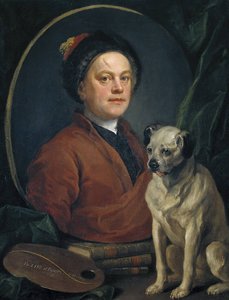
1697 - 1764 , Vereinigtes Königreich

Entdecken Sie die 10 prächtigsten Meisterwerke des 18. Jahrhunderts! Von Rokoko bis Klassizismus – erleben Sie die Kunst von Fragonard, David & Hogarth. Hochwertige Reproduktionen für Ihr Zuhause auf Most-Famous-Paintings.com.

Explore the life & art of Rosa Bonheur, a pioneering Realist painter who redefined women's roles in 19th-century France. Discover her iconic animal paintings and lasting influence on art history. Learn more at Most-Famous-Paintings.
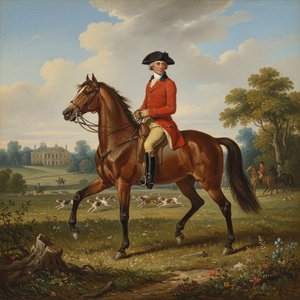
Explore the captivating equestrian art of John Nost Sartorius (1759-1828). Discover his detailed paintings of racehorses, hunting scenes & aristocratic life. Learn about collecting Sartorius's work and its lasting value.

Entdecken Sie William Hogarths satirische Meisterwerke! Eine tiefgehende Analyse seiner Gesellschaftskritik im London des 18. Jahrhunderts. Erfahren Sie mehr über seine Kunst und seinen bleibenden Einfluss.

Explore the rich history of rural life in art! Discover how Realism captured labor & identity through masterpieces by Van Gogh, Millet & more. Expert analysis for collectors and enthusiasts.


Bleiben Sie über die neuesten Kunstnachrichten, exklusive Angebote und Dekorationsideen auf dem Laufenden.
Erzählen Sie uns von Ihrem Projekt, und unsere Kunstexperten erstellen für Sie drei personalisierte Kunstvorschläge.
Wir kuratieren 3 Optionen exklusiv für Sie – kostenlos!


 Vorschau anzeigen
 Versenden
 Teilen
 Details anzeigen

 Herunterladen
 Ähnliche Objekte
 Röntgenaufnahme
 Diashow
 Weiterlesen







 Die Glasoption ist nur für Größen unter 110 cm verfügbar.


