x

Χειροποίητη oil painting σε καμβά στο δικό σας μέγεθος και πλαίσιο, κατά παραγγελία από τους καλλιτέχνες μας. ( Αγορά εκτύπωσης Αγορά ψηφιακής εικόνας)
Επιλέξτε από τις προκαθορισμένες διαστάσεις μας που διατηρούν τις αρχικές αναλογίες του έργου τέχνης.

Μπορείτε να ορίσετε δικές σας διαστάσεις ώστε το έργο να ταιριάζει σε ένα συγκεκριμένο πλαίσιο ή χώρο. Εάν το επιλεγμένο μέγεθος δεν συμπίπτει με τις αναλογίες της αρχικής εικόνας, θα περικοψούμε το έργο ή θα επεκτείνουμε τη ζωγραφιά με πρόσθετα χειρόγραφα στοιχεία. Ένα ψηφιακό προσχέδιο θα σας αποσταλεί για έγκριση πριν την έναρξη της παραγωγής.
Παρακαλούμε σημειώστε ότι η προεπισκόπηση στην οθόνη δεν αντικατοπτρίζει την πραγματική περικοπή ή επέκταση. Μόνο το προσχέδιο θα δείξει με ακρίβεια την τελική σύνθεση.
Παρόλο που είναι διαθέσιμα προσαρμοσμένα μεγέθη, συνιστούμε να επιλέξετε μια διάσταση από τη λίστα των προκαθορισμένων μεγεθών για τη διατήρηση των αρχικών αναλογιών.
Παγκόσμια Αποστολή () σε 3-4 εβδομάδες αντί για τις συνήθεις 5 εβδομάδες. (18 Αύγουστος). Χωρίς συμβιβασμούς στην ποιότητα.


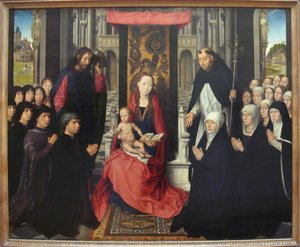
Saint Jerome
Διαστάσεις Αναπαραγωγής

Antonio de Puga (1602 – 1648) stands as a singular figure in Spanish Baroque art, largely obscured by the shadow of his contemporaries yet possessing a distinctive artistic voice that resonates with remarkable detail and psychological insight. Born in Orense, Galicia, he emerged from a region historically underserved by artistic patronage, marking him as an exceptional talent whose career defied conventional expectations. While many artists of his era sought fame through established academies, Puga’s journey was one of grit and profound intellectual curiosity, carving out a space for himself within the most prestigious circles of the Spanish Court.
The early years of Puga's life remain shrouded in much of the mystery that often surrounds masters of the seventeenth century. However, through the meticulous scholarship of Maria Luisa Caturla, we have begun to piece together a clearer portrait of his formative period. His lineage was humble—the son of a local tailor—yet his ambitions were nothing short of royal. Documents from 1635 reveal that he worked under the direction of the esteemed Eugenio Caxés, contributing to the grand decoration of the Hall of Realms in the Buen Retiro Palace. This early engagement with such monumental projects suggests that Puga was not merely a provincial painter but a vital participant in the most significant artistic endeavors of the Spanish Golden Age.
Puga’s artistic output is characterized by a profound ability to blend dramatic historical narrative with the dignified stillness of portraiture. His oeuvre frequently focused on the powerful figures of his time, including the Counts of Lemos and the Duke of Aricoste, for whom he executed numerous commissions that captured both their social stature and their individual humanity. There is a palpable tension in his work, a hallmark of the Baroque style, where light and shadow dance across the canvas to evoke a sense of movement and psychological depth.
Beyond the faces of the nobility, Puga demonstrated a remarkable command over landscape and complex historical compositions. His involvement in the decoration of the Buen Retiro Palace allowed him to experiment with large-scale storytelling. Some historians even attribute the landscape elements within significant works, such as the Recovery of Puerto Rico by D. Juan de Haro currently held in the Museo del Prado, to his skilled hand. This ability to integrate human drama with sweeping, atmospheric environments showcases a versatility that few of his peers could replicate.
His technical repertoire was further enriched by an immense personal collection of art and knowledge:
Despite his undeniable talent, Puga’s life was marked by the financial vulnerabilities common to many artists of the period. A 1643 document revealing a debt owed to the Marquis of Viana serves as a poignant reminder of the precarious nature of artistic patronage. Yet, even in moments of hardship, his dedication to the craft remained unyielding. His death in 1648 marked the end of a brilliant, if somewhat turbulent, career that bridged the gap between the provincial traditions of Galicia and the sophisticated splendor of Madrid.
Today, Antonio de Puga is remembered not just as an assistant to greater masters, but as a foundational figure for Galician art. He proved that brilliance could emerge from the periphery, bringing a unique perspective to the Spanish Baroque. His works continue to captivate modern audiences, offering a window into a world of courtly elegance, historical triumph, and the enduring power of the painted image.

1602 - 1648 , Spain


Μείνετε ενημερωμένοι για τις τελευταίες ειδήσεις σχετικά με την τέχνη, αποκλειστικές προσφορές και ιδέες διακόσμησης.
Πείτε μας περισσότερα για το έργο σας και οι ειδικοί μας στην τέχνη θα σας προσφέρουν 3 εξατομικευμένες προτάσεις έργων τέχνης.
Αφήστε μας να επιμεληθούμε 3 επιλογές αποκλειστικά για εσάς – Δωρεάν!


 Δείτε σε πραγματικό χώρο
 Αποστολή
 Κοινοποίηση
 Λεπτομέρειες

 Λήψη
Λήψη
 Παρόμοια αντικείμενα συλλογής
 Ακτινογραφία
 Παρουσίαση
 Διαβάστε περισσότερα




































 Η επιλογή με γυαλί είναι διαθέσιμη μόνο για μεγέθη κάτω από 110 εκ.